

SUBSCRIBE TO OUR FREE NEWSLETTER
Daily news & progressive opinion—funded by the people, not the corporations—delivered straight to your inbox.
5
#000000
#FFFFFF
To donate by check, phone, or other method, see our More Ways to Give page.
Daily news & progressive opinion—funded by the people, not the corporations—delivered straight to your inbox.

Israeli Prime Minister Benjamin Netanyahu's "apologists have to explain why killing kids happens so regularly and effortlessly," said one congressman who noted growing support for blocking US weapons to Israel.
A series of Israeli strikes across southern Lebanon since Friday night have killed and wounded dozens of people, including women, children, and paramedics, despite a US-brokered ceasefire.
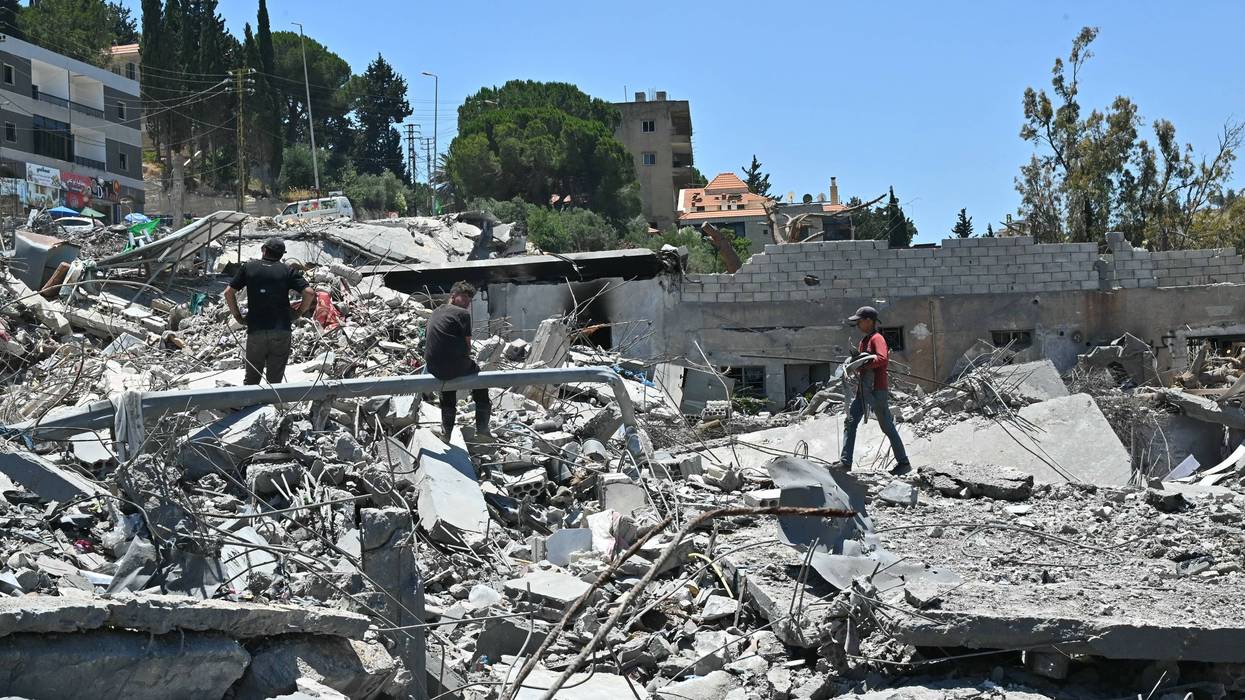
On Monday, Israeli strikes in Kfar Rumman killed 12 people: a paramedic and 11 people in a targeted residential building, including at least four women and two children, according to Lebanon's Ministry of Public Health.
Al Jazeera reported that the attack on the targeted home killed three generations of one family, including a 2-month-old baby.
Another 11 people were killed in Lebanon on Sunday, and four others before that, bringing the death toll to 27, with at least 69 civilians wounded, according to the ministry. Women, children, medics, and journalists were among those harmed.
Those casualties followed Israeli Defense Minister Israel Katz claiming Friday that the IDF had taken control of Lebanon's Ali al-Taher ridge, about six miles from the border, and vowing that his country's military "will not withdraw from the security zone in Lebanon until Hezbollah is disarmed."
Since Hamas led the October 7, 2023 attack on Israel, resulting in the Israel Defense Forces' genocidal war on the Gaza Strip, the Lebanese political and militant group Hezbollah has sided with Palestinians in the besieged exclave, and the IDF has been attacking southern Lebanon.
Hezbollah has also backed Iran since the US and Israel began bombing the country in February, leading to renewed Israeli violence in Lebanon. In addition to slaughtering at least 73,658 Palestinians in Gaza since October 2023, the IDF has killed more than 8,900 Lebanese and injured over 30,6000, according to the ministry.
That bloodshed over the past few years has fueled calls for cutting off the billions of dollars in military aid that the United States gives Israel annually. US Congressman Mark Pocan (D-Wis.) issued one such call after the attacks on Monday, stressing on social media that "Israel strikes Lebanon and kills kids. They continue to strike Gaza and kill kids."
Israeli Prime Minister Benjamin Netanyahu's "apologists have to explain why killing kids happens so regularly and effortlessly," Pocan continued. "More and more members of Congress are saying it's time to #BlocktheBombs."
Although a June ceasefire brought some relief to the people of Lebanon, hundreds of thousands remain displaced by Israeli occupation and attacks. Agence France-Presse reported Monday that after the June ceasefire deal was reached, villagers returned home to Kfar Rumman.
Following the attack after midnight Monday, "an AFP photographer saw the building that was hit in Kfar Rumman had been destroyed, with school books and remnants of furniture strewn across the rubble," the agency detailed. It continued:
"Since we returned here, we've lived in fear," Fouad Chakaron told AFP.
He insisted the targeted building was inhabited by "peaceful people with no connection to anyone."
Neighbors fled after the strike, which also damaged nearby buildings, AFP's photographer said.
Multiple outlets noted that the IDF didn't issue an evacuation warning before the strikes on Kfar Rumman. Reuters pointed out that the IDF claimed steps had been taken to mitigate harm "to uninvolved individuals, including the use of precise munitions and aerial surveillance," and it is now reviewing the reported casualties.
The IDF said on social media Monday that it hit "several Hezbollah terrorist infrastructure sites across southern Lebanon, including a weapons storage facility. Additionally, the IDF struck terrorists who were identified transferring weapons in the area of Kfar Rumman, in order to remove the threat they posed. The strikes were in response to Hezbollah’s launch of two explosive drones toward IDF troops in the security zone."
The deadly strikes on Monday came after Lebanon's Ministry of Public Health announced Sunday that "the Israeli raids launched by the occupation forces this morning led to the complete destruction of the Ghandour Hospital in Nabatieh, which constitutes an additional serious violation of international humanitarian law that provides for the protection of health facilities."
Lebanese President Joseph Aoun condemned the destruction of the hospital, which was reportedly emptied of patients and staff, and highlighted that attacks in the area also "resulted in the fall of innocent victims and caused severe damage to the building of the Ministry of Finance there."
Israel's assault on the Nabatieh region is "a dangerous escalation," the president said, and "reveals a persistent pattern of attacks that goes beyond the alleged military targets to purely civilian administrations and health centers, reflecting a clear intent to strike the continuity of Lebanese institutions' operations and disrupt people's daily interests."
While Aoun said he holds "the Israeli side fully responsible for this ongoing escalation," he is also "calling on the United States of America and the international community to take urgent action to stop these violations and hold their perpetrators accountable, affirming that Lebanon, despite all these attacks, is committed to upholding its sovereignty, the stability of its south, and the safety of its citizens."
Washington says it wants the Lebanese state to reclaim authority, but Beirut is still being asked to move first while Israeli withdrawal remains conditional.
This week, the argument over Lebanese sovereignty became concrete on a ridge overlooking Nabatieh. The New Arab reported on August 24 that Washington is pressing for the strategic Ali al-Taher ridge, where Hezbollah fighters are present, to be transferred to the Lebanese Army in exchange for Israeli withdrawal. The same area has been subjected to repeated Israeli shelling. In one small patch of southern Lebanon, the larger problem is suddenly hard to hide: Beirut is being asked to move first, while the withdrawal of foreign forces from Lebanese territory remains the inducement offered in return.
That pressure did not begin this week. Reuters reported in July 2025 that Washington was pressing Lebanon to make a formal cabinet commitment to disarm Hezbollah before talks could continue on halting Israeli military operations. Lebanese officials were told that without such a commitment, the United States would stop sending its envoy and would no longer press Israel to halt airstrikes or withdraw troops. Even the Washington Institute for Near East Policy, which strongly favors disarmament, later described Lebanon's policy shift as having been adopted “under duress.”
Call it diplomacy if you like. It is still leverage. And it is being applied unevenly. Lebanon is expected to reduce its own side's military leverage first, while Israeli withdrawal is treated as something Lebanon must earn through compliance. If sovereignty means anything, it should not mean that a weaker country first dismantles its deterrent while a stronger military power keeps troops on its land.
None of this requires pretending Hezbollah has made no miscalculations. In March, after Hezbollah fired on Israel during the US-Israeli war with Iran, Lebanon's cabinet prohibited Hezbollah's military and security activities and ordered it to surrender its weapons to the state. The principle behind that decision is legitimate. A political movement, however rooted or powerful, should not be able to decide by itself when an entire country goes to war.
That is what real sovereignty would look like: not simply fewer Hezbollah weapons, but a Lebanese state strong enough that people no longer feel they need Hezbollah for protection, reconstruction, or basic support.
But sovereignty cannot stop at Hezbollah's weapons. It also has to mean that Israeli troops leave Lebanese territory and that Israeli strikes do not become a permanent feature of Lebanese life. Washington itself warned Israel this month that a permanent military presence in southern Lebanon would conflict with the US-backed framework. Yet the practical sequence still asks Beirut to show progress first. For many Lebanese in the south, that does not feel like state building. It feels like being told to surrender under fire.
There is another reality that is often flattened out of the American debate: Hezbollah is more than an arsenal. Its institutions became deeply rooted because they stepped into places where the Lebanese state was weak, slow, or absent. CNN reported as far back as 2006 that Hezbollah was providing water, helping pay medical costs, running schools, and collecting garbage in communities where government capacity was thin. The Council on Foreign Relations still describes a broad network of Hezbollah-linked healthcare, schools, infrastructure, and youth programs.
Calling that a “state within a state” is not far-fetched. But the phrase contains an uncomfortable admission: There was space for a parallel state because the official one repeatedly left a vacuum.
After the 2006 war, NPR found Hezbollah moving into reconstruction within hours of the ceasefire, assessing damage and distributing assistance while the government struggled to respond. For families standing in front of rubble, that was not an abstract debate about militias. It was help arriving when they needed it. People remember that.
The pattern returned after the 2024 war. The World Bank estimated Lebanon's reconstruction and recovery needs at $11 billion. While Lebanon searched for financing, Hezbollah's Jihad al-Bina network was already surveying damaged communities and paying compensation. Le Monde reported in early 2025 that Hezbollah had paid about $400 million to roughly 140,000 people. The effort was imperfect, and residents complained about delays. But it was there, visible on the ground, while the state had nothing comparable at that scale.
The same failure of formal institutions helped the Hezbollah-linked Al-Qard al-Hassan network grow during Lebanon's banking collapse. Families turned to it because ordinary depositors had been locked out of their savings. The United States has sanctioned Al-Qard al-Hassan officials and says the institution helps Hezbollah evade sanctions and move money. That allegation belongs in the picture. So does the reason such an institution became useful to ordinary people: The formal banking system had failed them.
This is the part a disarmament order cannot solve. Remove the weapons, and then what? Who fills the security gap along the border? Who rebuilds the next damaged neighborhood? Who replaces the clinics, schools, relief networks, and financial lifelines people have relied on for years? Lebanon's army can and should become the country's sole military authority. But it cannot also become a nationwide welfare system and reconstruction agency overnight.
There is a path out, but the order matters. Hezbollah should ultimately give up its military role and function as a political and social organization. Israel should withdraw fully from Lebanese territory, with an enforceable mechanism to stop renewed attacks and violations. At the same time, Lebanon and its international partners need to build institutions strong enough to replace the civilian functions that helped Hezbollah become indispensable to many communities.
That is what real sovereignty would look like: not simply fewer Hezbollah weapons, but a Lebanese state strong enough that people no longer feel they need Hezbollah for protection, reconstruction, or basic support.
The Ali al-Taher dispute shows why sequencing is not an academic concern. When Washington asks Beirut to take control of a strategic position in exchange for Israeli withdrawal, it reinforces the very perception that has sustained Hezbollah's argument for decades: that Lebanon is expected to prove its sovereignty by satisfying conditions imposed from outside. You cannot build a sovereign state by removing structures people rely on and promising that the state will catch up later. Build the security, capacity, and trust first. Then disarmament becomes a transfer of responsibility to a functioning state rather than an act of surrender to someone else's timetable.
"In a country that has experienced profound loss and suffering, this decision represents a powerful commitment to the right to life," said the UN's human rights chief.
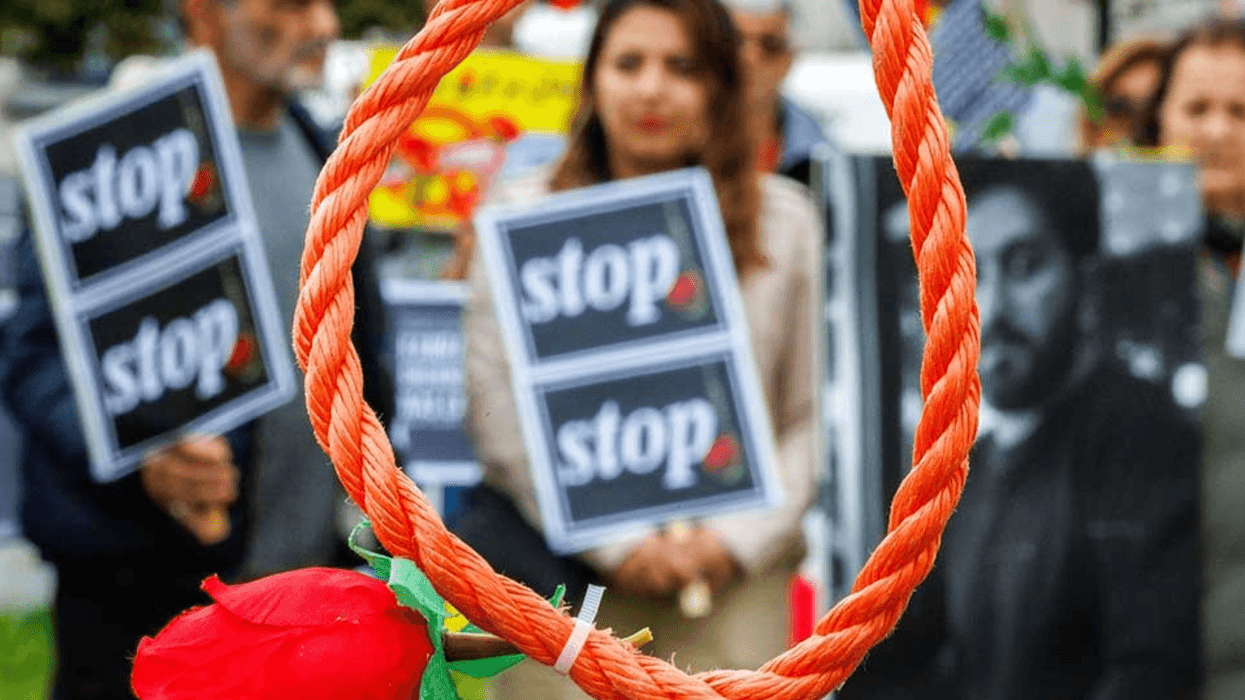
In a move cheered by human rights defenders around the world, Lebanon's Parliament on Tuesday abolished the death penalty for all crimes, making the country the first in the Arab world to do so and standing in stark contrast to neighboring and nearby nations.
Lebanon's abolition—announced on June 30 at the 9th World Congress Against the Death Penalty in Paris—was approved by parliamentary lawmakers and, once signed by President Joseph Aoun as expected, will make the country the 129th worldwide to abolish capital punishment.
Under amendments introduced by Independent MP Abdul Rahman Bizri, execution—formerly carried out by hanging or firing squad—will be replaced as the ultimate punishment by life imprisonment under hard labor for crimes committed after abolition. Those currently condemned to death will have their sentences commuted to hard labor for life.
“Lebanon is regaining its pioneering role in the region as a defender of human rights,” Lebanese Justice Minister Adel Nassar said, adding that his country “has chosen to combat murder rather than resort to capital punishment."
MP Georges Okais of the Christian, right-wing Lebanese Forces party, said that “Abolishing the death penalty is a historic achievement, and we have adopted international standards regarding human rights.”
Hezbollah's parliamentary bloc walked out in protest of abolition, which is also opposed by other lawmakers including Independent MP Jihad al-Samad, who called the move "contrary to Islamic law."
Opponents of abolition argue that it, plus a general amnesty draft law introduced in April, could result in leniency for perpetrators of bombings and other serious crimes.
However, Nassar insisted that abolition “does not mean leniency toward criminals.”
Lebanese law had designated execution as punishment for a wide range of crimes including—but not limited to—murder, aggravated rape, terrorism, treason, spying, military desertion, aggravated theft, and arson. While 84 people were sentenced to death, Lebanon has not executed anyone in 22 years.
“We can see the uncertainty that those who are condemned to death are living under," one psychologist working in Lebanese prisons told the French advocacy group Together Against the Death Penalty in a 2021 study. "We don’t apply the death penalty, but we don’t cancel it either."
"Are we going to wake them up one day and tell them that they will be executed?" the psychologist added, describing the process in Japan and Europe's last executioner, Belarus, without mentioning the countries. "It is the most horrible thing to live through. It leads to anxiety, depression, and stress that is sometimes uncontrollable. They are alive, but without living.”
Lebanon's imminent abolition stands in stark contrast with neighboring and regional countries. Iran, Saudi Arabia, and Yemen rank among the world's most prolific executioners, while Syria's recent history is marred by thousands of extrajudicial executions during the administration of President Ahmed al-Sharaa, and Israel recently legalized the hanging of "terrorists"—a law critics claim will only be applied to Palestinians.
Daniel Cullen, project manager at Oxford University's Death Penalty Research Unit, lauded Lebanon's achievement, which came at "a time of myriad domestic challenges."
"Since October 2023, Israeli forces have conducted intense bombardments in their campaign against the Hezbollah militant group, resulting in thousands of civilian deaths, including during periods of nominal ceasefire," Cullen wrote. "Together with the Israeli military occupation of large areas of the south of the country and issuing of evacuation orders, this has resulted in the displacement of around one million people."
"Even prior to this, the country had already experienced a stark economic collapse since 2019, with a near 40% reduction in GDP, in addition to recovering from the effects of the explosion at Beirut port in August 2020," he continued. "Against this background, Minister of Justice Adel Nassar specifically highlighted the importance of the abolition legislation as a demonstration of Lebanon’s ability to commit to international human rights standards."
"Lebanon’s commitment to achieving abolition during a time of national crisis demonstrates that this is entirely possible," Cullen added.
United Nations High Commissioner for Human Rights Volker Türk said on social media: "I welcome the Lebanese Parliament's decision formally to abolish the death penalty, and call on others to follow its lead. In a country that has experienced profound loss and suffering, this decision represents a powerful commitment to the right to life."
European Union High Representative for Foreign Affairs and Security Policy Kaja Kallas called Lebanon's abolition "a significant step forward for human rights in the country."
"As the first country in the region to abolish the death penalty, Lebanon is setting a powerful example for other countries in the Middle East and beyond, reinforcing the strong global trend towards abolition and the growing international support for ending the death penalty worldwide," she continued.
"The European Union calls on all countries that still apply the death penalty to abolish it and, pending abolition, to maintain or introduce a moratorium on executions as a first step," Kallas added, urging "those considering its reintroduction to refrain from such a regressive step."
The West African nation of Burkina Faso adopted a draft penal code last December that would restore the death penalty for crimes including treason, terrorism, and espionage. An effort to revive capital punishment in the Central Asian country of Kyrgyzstan was blocked by its Constitutional Court. Turkish President Recep Tayyip Erdoğan has repeatedly said he is ready to reintroduce the death penalty during his 23 years in power, while populist Filipino Sen. Ronald dela Rosa—a former police chief closely associated with former President Rodrigo Duterte's mass-murderous drug crackdown—reintroduced death penalty legislation after his reelection last year.
Human Rights Watch Lebanon researcher Ramzi Kaiss hailed Lebanon's "final break from a cruel sentence that should never be imposed.”
“Capital punishment is unique in its cruelty and finality and is plagued with arbitrariness, prejudice, and error,” Kaiss asserted.
Amnesty International called the move "a landmark victory."
“Lebanon’s decision to abolish the death penalty marks a major milestone and a victory for human rights in the country," said Heba Morayef, Amnesty's Middle East and North Africa director.
Morayef continued:
Justice must be rooted in human rights, not in an irreversible and cruel punishment. After more than two decades without executions, today’s step transforms a precarious hiatus in executions into lasting legal protection upholding the right to life and bringing Lebanon in line with the global trend towards abolition.
The passing of this law is testament to the decades of tireless advocacy by Lebanese human rights defenders and organizations, as well as the leadership of key officials who recognized the death penalty as a cruel and inhuman punishment, often imposed after unfair proceedings and the burden of which frequently falls on those at most disadvantage.
“To turn this law from paper to practice, Lebanese authorities must now ensure that all death sentences are commuted and ratify the key international treaty on abolition, while advancing broader reforms to strengthen a justice system based on dignity, fairness, and respect for human rights," Morayef added. "Authorities must accompany this law with broader legislative reform, including to ensure that any criminal justice punishments are consistent with human rights principles.”
Spoilers often undermine fragile peace processes to disastrous effect, and several are currently attempting to derail the Islamabad memorandum of understanding; managing them is an important challenge.
In a seminal article, entitled “Spoiler Problems in Peace Processes,” Stephen Stedman writes that “peacemaking is a risky business.” The greatest source of risk “comes from spoilers—leaders and parties who believe that peace emerging from negotiations threatens their power, worldview, and interests, and use violence to undermine attempts to achieve it.”
Spoilers can be inside or outside a peace process. Those inside have signed an agreement but fail to fulfill key obligations; those outside are either excluded from it or have excluded themselves. In terms of managing spoilers, it is important to determine why a particular party is refusing to honor a peace agreement.
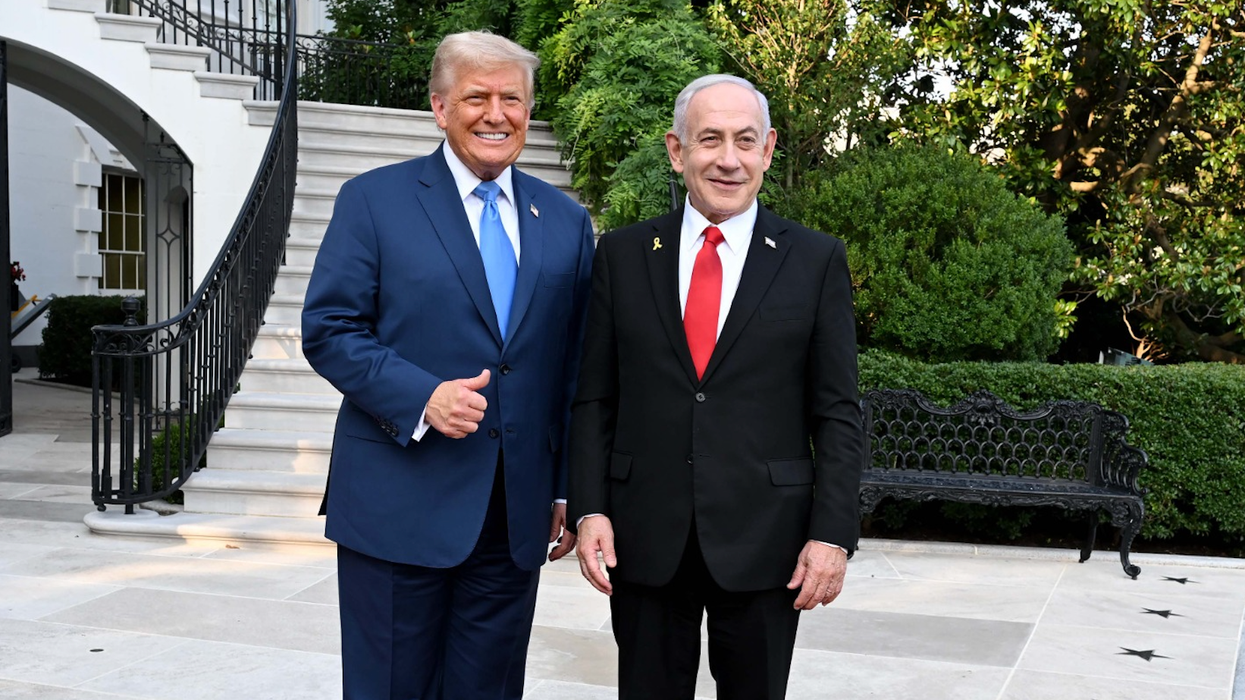
Spoilers are already causing problems for the memorandum of understanding (MOU) between Iran and the US announced on June 14, after weeks of Pakistani mediators trading proposals back and forth between the parties. The 14-point MOU was officially signed by President Donald Trump on June 17 in Versailles and by President Masoud Pezeshkian in Tehran the next day.
To develop the MOU into a permanent peace agreement, face-to-face negotiations were scheduled for June 19 in Bürgenstock, Switzerland under the auspices of Pakistani and Qatari mediators. But because heavy fighting in Lebanon between Israel and Hezbollah was violating the first clause of the MOU, which called for the termination of military operations “including in Lebanon,” the Iranians declared that they would not attend and threatened to reclose the Strait of Hormuz. Vice President JD Vance, who was to lead the US delegation, also canceled his flight to Switzerland.
Although the negotiations were successful, several parties—Israel, Hezbollah, Trump, and hardliners in Iran—almost derailed the process and are still attempting to do so.
Nonetheless, on June 20, after Iranian state TV announced that Iran’s delegation, led by the Speaker of Parliament Mohammad Bagher Ghalibaf and Foreign Minister Abbas Araghchi, had arrived in Switzerland, Vance departed the US to join Special Envoy Steve Witkoff and Trump's son-in-law Jared Kushner, who had traveled there earlier.
The talks, dubbed the Lake Lucerne Summit, began on the morning of June 21 with separate meetings between the leaders of each delegation with the mediators, followed by quadrilateral talks in the afternoon between the two parties and two mediators.
Vance presented a promising opening statement, saying: “Never before has the Iranian and American leadership met at such a high level... What the President has asked us to do is turn over a new leaf to transform our relationship with the people of Iran, and to extend an outstretched hand that says to the people of Iran that if your leadership is willing to give up being a driver of regional instability, if they are willing to give up nuclear weapons ambitions for the long term, then the United States is willing to fundamentally transform our relationship.”
But 80 minutes later, the Iranians got word that Trump (apparently annoyed by the threatened closure of the Strait of Hormuz) told Fox News in a phone call that unless the strait remained open, the negotiators talking to Vance will “never make it back to their country—in fact, they will have no f**king country to return to at all.”
In response, the Iranian delegation protested to the mediators, saying this was an unacceptable threat to their personal safety and then staged a walkout. Their absence was apparently temporary, because Vance, describing the talks as “messy,” later said: “Yes, they did threaten to walk out... but we were negotiating well past one in the morning... so they didn’t [permanently] walk out.” In all, there were about 18 hours of intensive talks and consultations.
The talks produced a road map for a final deal within 60 days and created a High-Level Committee for Political Oversight to manage the process and coordinate the three working groups who will report to the committee weekly: a Nuclear Working Group, a Sanctions Tracking Group, and a Monitoring and Dispute-Resolution Group.
Two crisis management mechanisms were also agreed: a Strait of Hormuz Secure Communication Channel (i.e., a hotline) to provide communication links between maritime security forces to “avoid incidents and miscommunication” and guarantee safe passage for shipping through the Strait of Hormuz; and a Lebanon De-Confliction Cell to prevent further military escalation and ensure compliance with the cessation of hostilities.
In the end, the talks were more successful than the first round in April in Islamabad. Vance called them “a good foundation;” Araghchi said the mediators delivered “major progress.” A joint statement by the mediators described “encouraging progress” and cited a “positive and constructive atmosphere.” The Swiss Foreign Ministry also welcomed “constructive progress.” Technical talks between the working groups began the next day.
Although the negotiations were successful, several parties—Israel, Hezbollah, Trump, and hardliners in Iran—almost derailed the process and are still attempting to do so.
The success of the process appears to be due to the mediators employing “the departing train strategy, which implies that the peace process is a train leaving the station at a preordained time: Once set in motion, anyone not on board will be left behind.” It is a determination that the peace process will go irrevocably forward regardless of spoiling efforts. Other strategies that Stedman proposes for managing spoilers include: inducement, socialization, deterrence-coercion, and withdrawal.
Although a comprehensive accounting of each spoiler’s motivation and strategies for dealing with them exceed the scope of this article, some general points can be made.
Long-term enemies, Israel and Hezbollah, reengaged in fighting on March 2, when Hezbollah launched missiles against Israel to protest Ayatollah Ali Khamenei’s assassination, followed by intense hostilities between them. Since the first clause of the MOU calls for the termination of military operations, including in Lebanon, this presents a dilemma, since both Israel and Hezbollah were outside the US-Iranian peace process and didn’t agree. Indeed, Israeli Prime Minister Benjamin Netanyahu explicitly stated that since it isn’t a party to the MOU, Israel will not withdraw from Lebanon.
In response, the US established a separate mediation process between Israel and Lebanon (with Hezbollah again outside the process) which agreed to ceasefires of varying lengths, subsequently violated by both Israel and Hezbollah. More recently, Lebanon and Israel have agreed to a lasting peace and security deal, whereby the Lebanese Armed Forces would gradually assume control over all Lebanese territory as Hezbollah is disarmed; in parallel, Israeli forces would engage in a staged withdrawal. Hezbollah, however, rejects this and says that it will not disarm until Israel withdraws totally.
When peace processes are scuttled by spoilers and war resumes, the results are often catastrophic, with the casualties being infinitely higher than those of the original conflict.
Netanyahu, his government, and much of the Israeli public are disappointed with the MOU since it doesn’t address many of their war aims, e.g., regime change, Iran’s ballistic missile program, and its support for proxies. They also oppose sanctions relief and other economic benefits.
Both Israel and Hezbollah fit the description of “total spoilers,” who are often “led by individuals who see the world in all-or-nothing terms” and are opposed to compromise. “Any commitment to peace by a total spoiler tends to be tactical—a move to gain advantage in a struggle to the death.”
The “departing train strategy,” used by the mediators at the Lake Lucerne Summit, is a good way to manage total spoilers. Another effective approach is for the spoiler’s patron to warn the spoiler of dire implications if it escalates attacks, which apparently Trump has done, much to Netanyahu’s annoyance.
It has also been argued that Hezbollah might moderate its actions for now by inducement, e.g., the promise of renewed assistance from Iran if economic benefits accrue from the peace process, but if this allows it to rearm later, that would merely postpone the problem.
Trump is, of course, inside the peace process and probably fits the description of a “greedy spoiler,” i.e., one who “holds goals that expand or contract based on calculations of cost and risk. A greedy spoiler may have limited goals that expand when faced with low costs and risks; alternatively, it may have total goals that contract when faced with high costs and risks.”
Although Trump reportedly wants out of the war, his firm belief that any provocation must be met with a response of greater intensity inevitably causes conflict escalation. When four days after the Lake Lucerne Summit, Iranian hardliners attacked a vessel trying to exit the strait, Trump ordered bombing of Iranian missile and drone sites.
Iran’s new Supreme Leader, Mojtaba Khamenei, has given his conditional approval to the MOU, with the qualification that he will not accept excessive demands by the US. He also praised the efforts of the Iranian negotiating team, which is seen as an attempt to silence opposition from hardliners. As well, the Islamic Revolutionary Guard Corps (IRGC) leadership, the Supreme National Security Council, and some members of parliament support it.
The hardline Paydari Front, however, which rejects engagement with the West and considers itself the guardian of revolutionary values, opposes it. There are also hardline members within the IRGC. As well, segments of the population oppose the MOU and demonstrations broke out when it was signed, with calls for death to the negotiating team.
The recent incidents in the Strait of Hormuz are an example of how this opposition can manifest itself. Like Trump, IRGC hardliners believe that every provocation must be met with a greater response, which accounts for their recent attacks on US bases in Kuwait and Bahrain, following Trump’s bombing. These hardliners were also outside the peace process and fit the typology of total spoilers.
The four spoilers mentioned above are currently presenting significant challenges to the MOU and must be managed if the peace process is to go forward.
One problem is that the lack of specificity in the MOU allows for different interpretations that spoilers can exploit to disrupt the process. This relates to how the MOU was negotiated, i.e., through the long-distance exchange of each party’s preferred positions, as opposed to the mediators sitting with the parties to explore their underlying interests before developing options. The current dispute is apparently related to Iranian interests to have control of how clearing of the strait takes place, i.e., with vessels exiting on the Iranian side, rather than the Omani side, which the US is encouraging. If parties’ interests with regard to this issue had been thoroughly explored during negotiations, a more specific formulation could have been included which might have avoided this problem.
In order to keep the peace process on track, the international community needs to be aware of the role of spoilers and do everything in its power to manage any disruptions.
Another issue is the inclusion of conditions in the agreement (e.g., the termination of military operations in Lebanon) that must be fulfilled by parties who are outside the process and don’t agree (notably, Israel and Hezbollah). Attempts to overcome this through US mediation between Israel and Lebanon, but with Hezbollah still outside the process, are not addressing the interests of one of the major parties and are thus stalemated.
It also appears that the procedural mechanisms established at the Lake Lucerne Summit to deal with such problems are not being utilized. A Strait of Hormuz Secure Communication Channel is apparently non-operational. Presumably, the new Monitoring and Dispute-Resolution Group could also be engaged. Hopefully, the mediators will quickly assist the parties in resolving the current dispute and ensure that these mechanisms become operational.
Of particular concern, is Stedman’s warning that history has shown that when peace processes are scuttled by spoilers and war resumes, the results are often catastrophic, with the casualties being infinitely higher than those of the original conflict. Rwanda offers a horrifying example.
Such an ominous possibility is foreshadowed by Trump’s recent post on Truth Social: “There may come a point when we are no longer able to be reasonable, and will be forced to militarily complete the job that we very successfully started. If that happens, the Islamic Republic of Iran will no longer exist.”
In order to keep the peace process on track, the international community needs to be aware of the role of spoilers and do everything in its power to manage any disruptions before the conflict escalates again, perhaps tragically.
Ben-Gvir's invocation of mass slaughter came as the US is trying to negotiate an end to President Donald Trump's illegal war with Iran.
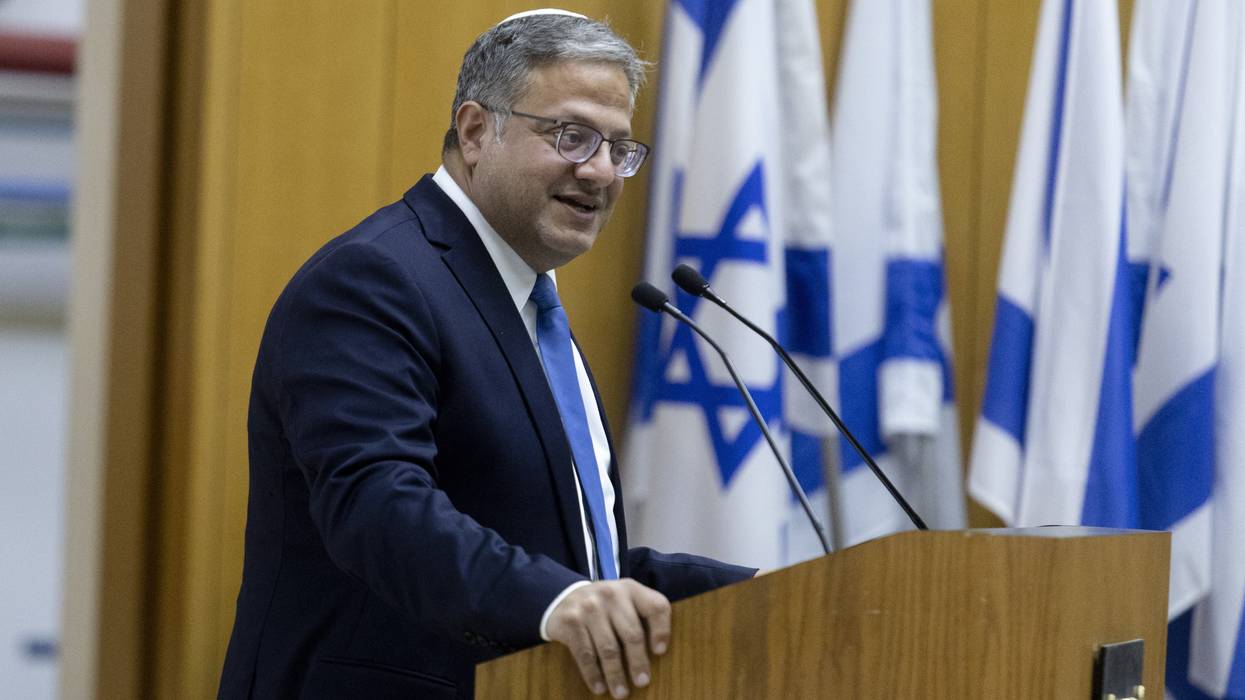
Israeli National Security Minister Itamar Ben-Gvir drew widespread condemnation on Friday when he declared that "all Lebanon must burn" shortly after four Israeli soldiers were killed in a fight with Hezbollah.
In a social media post, Ben-Gvir said that Israel should retaliate for the deaths of the soldiers with a scorched-earth military campaign aimed at killing large numbers of Lebanese people.
"For every tear of an Israeli mother, a thousand Lebanese mothers must weep," the far-right Israeli Cabinet member wrote. "Enough with the ping-pong. In the Middle East, you don’t win with measured responses and restraint—you need to go berserk. To obliterate. To crush the terror."
Ben-Gvir also took a subtle shot at the Trump administration, which has called for Israel to cease its military operations in Lebanon so that the US and Iran can negotiate an end to the illegal war of choice President Donald Trump launched earlier this year.
"With all due respect to the Americans, Israel must make it clear to the entire world that the blood of our sons and the security of our citizens are not forfeit," he wrote. "All of Lebanon must burn."
Ben-Gvir's demands for mass slaughter were widely condemned as the ravings of a genocidal maniac.
"You are a psychopath and one of the greatest threats to the security of Israel and of Jewish people around the world," journalist Yashar Ali wrote in response to Ben-Gvir. "You belong in a psychiatric institution, not in a government role."
Humza Yousaf, former first minister of Scotland and leader of the Scottish National Party, argued that Ben-Gvir's ravings should end any question about the nature of Israel's current government.
"For those who continue to deny Israel has any intention of committing genocide then read this tweet from a minister at the heart of the Israeli government," Yousaf wrote. "He belongs in the Hague, convicted and in a jail cell."
Trita Parsi, executive vice president of the Quincy Institute for Responsible Statecraft, said that Ben-Gvir's post should make Western nations reconsider which nation is the largest obstacle to achieving peace in the Middle East.
"While regional states are intrinsically involved in efforts to bring about peace in the region," Parsi noted, "this Israeli cabinet minister tweets that 'All of Lebanon must burn!' And he repeats that call twice in the post. When will the West ask the question that never gets asked: How is the rest of the region supposed to live in peace and security next to a state that behaves like this?"
British journalist Owen Jones remarked that, in calling for mass killing in Lebanon, Ben-Gvir "sounds like a Nazi."
"If this wasn't Israel," Jones added, "everybody would say he sounds like a Nazi."
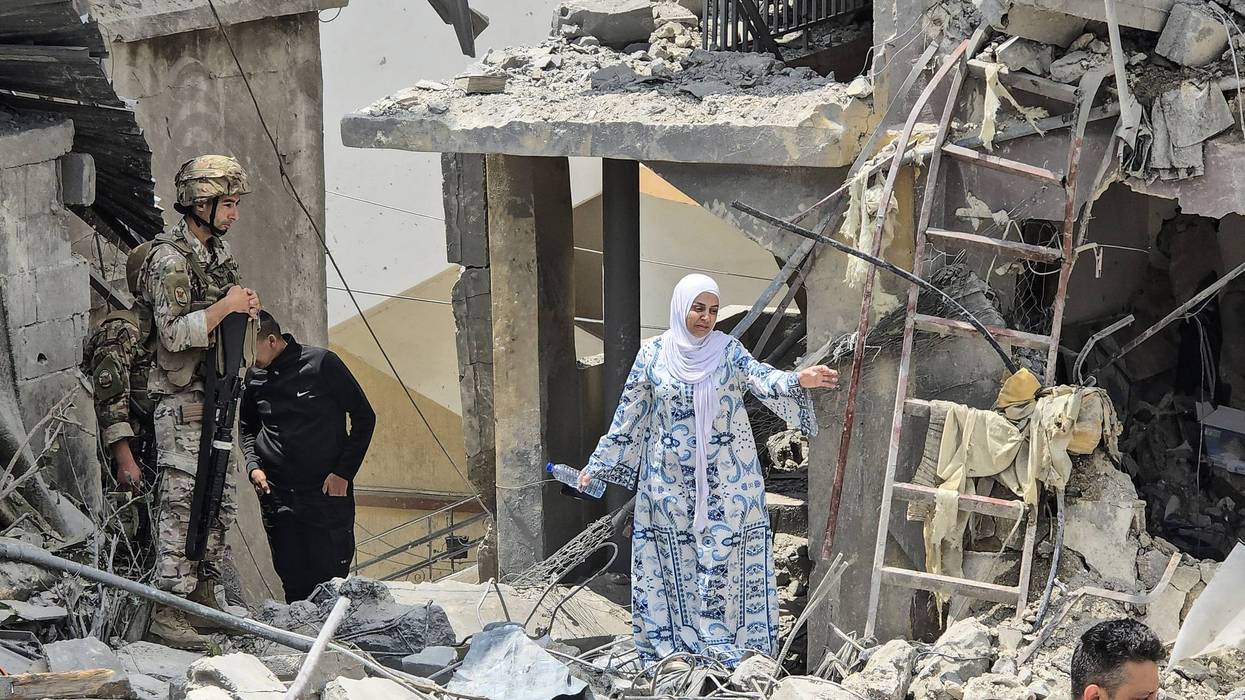
"Our villages have been systematically razed over these past months, and now the cities themselves are in the crosshairs," said one Lebanese journalist.
The Israel Defense Forces' intensified its bombardment of the southern Lebanese city of Tyre on Wednesday just two hours after ordering the evacuation of 200,000 area residents, further violating a US-brokered ceasefire and stoking fears of Israeli occupation and even colonization.
The IDF ordered the entire city of Tyre and surrounding areas, including Palestinian refugee camps, to immediately flee north of the Zahrani River. Israeli bombing of Tyre has caused considerable damage to the UNESCO World Heritage site and one of the world's oldest continuously inhabited cities.
"Our villages have been systematically razed over these past months, and now the cities themselves are in the crosshairs," Lebanese journalist Ali Hashem said on X.
IDF Arabic language spokesperson Avichay Adraee said on X Wednesday that "in light of the terrorist Hezbollah party's violation of the ceasefire agreement and targeting of Israeli territory, the Israel Defense Forces are compelled to act forcefully against it."
While Hezbollah has launched drones, rockets, and attacks against Israeli troops, the militant resistance group says they are responses to Israeli violations of the April 16 ceasefire. IDF attacks have killed more than 700 Lebanese, including many women and children, since the truce took effect, despite US President Donald Trump telling Israel that such strikes are "PROHIBITED."
"The Israel Defense Forces do not intend to harm you," Adraee's message continued. "Your presence near Hezbollah elements, their facilities, or their combat means puts your lives at risk. Any building used by Hezbollah for military purposes may be subject to targeting."
"To ensure your safety, evacuate your homes immediately and move north beyond the Zahrani River," the order warns. "Be advised—any movement south of the Zahrani River may put your lives at risk."
Adraee's warning came as Lebanese communities reeled under intensified airstrikes that have killed or wounded scores of people across southern Lebanon since Tuesday.
Since Israel renewed its attacks on Lebanon in March at the start of the US-Israeli war on Iran, more than 3,200 Lebanese have been killed—including hundreds of women and children—nearly 10,000 more have been wounded, and over 1 million people have been forcibly displaced, according to officials. As in Gaza, Israeli forces have been accused of deliberately targeting Lebanon's healthcare infrastructure, including first responders, as well as journalists.
Israeli forces also killed and wounded more than 20,000 Lebanese during 2023-25 attacks carried out during the war on Gaza after Hezbollah launched rockets and drones at Israel in solidarity with the Palestinian resistance.
Israel has been accused of ethnic cleansing as its forces raze entire villages in southern Lebanon, drawing comparisons to Israel's genocidal war on Gaza, which has left more than 250,000 Palestinians dead, maimed, or missing, and around 2 million people forcibly displaced, starved, or sickened.
Israeli Defense Minister Israel Katz said in March that Lebanese people displaced north of the Litani River would not be allowed to return to their homes—many of which have been looted by IDF troops—until people living in northern Israel are secure from Hezbollah rocket and drone threats.
The IDF has also extended its so-called "Yellow Line" in Lebanon, which it designated largely along the Litani River, in an effort to counter Hezbollah drone attacks that have killed or wounded at least scores of Israeli invaders.
Some observers fear another prolonged Israeli occupation of southern Lebanon, as happened for 18 years late last century. IDF troops briefly occupied the capital city of Beirut in 1982 and did not withdraw from southern Lebanon until 2000.
Others fear even worse, including the possible Israeli colonization of parts of Lebanon in pursuit of realizing a “Greater Israel” stretching from the Nile River in Egypt to the Euphrates in Iraq, land many religious Jews believe was promised to them by their deity figure.
Earlier this month, Israeli National Security Minister Itamar Ben-Gvir revealed the existence of a "settlement plan" for southern Lebanon. This, after Israeli Finance Minister Bezalel Smotrich asserted that "the Litani must be our new border."
Such Israeli expansion would likely include the permanent ethnic cleansing of hundreds of thousands of Lebanese, similar to the 1947-49 forced expulsion of Palestinians during the Nakba, or "catastrophe," a period of terrorist attacks, massacres, and death marches perpetrated by Jewish militias during the establishment of the modern state of Israel.
The International Criminal Court is believed to be seeking the arrest of Ben-Gvir and Smotrich in connection with the ethnic cleansing and settler colonization of the illegally occupied West Bank. The Hague-based tribunal has already issued warrants for the arrest of Israeli Prime Minister Benjamin Netanyahu and former Defense Minister Yoav Gallant for alleged war crimes and crimes against humanity in Gaza.
While negotiators from the United States, Iran, and mediating nations seek to achieve a lasting halt to hostilities in the Middle East, Israeli leaders have been actively working against peace. Addressing the prospect of a peace agreement, Ben-Gvir vowed during a Tuesday press briefing that "we will not allow this to happen."
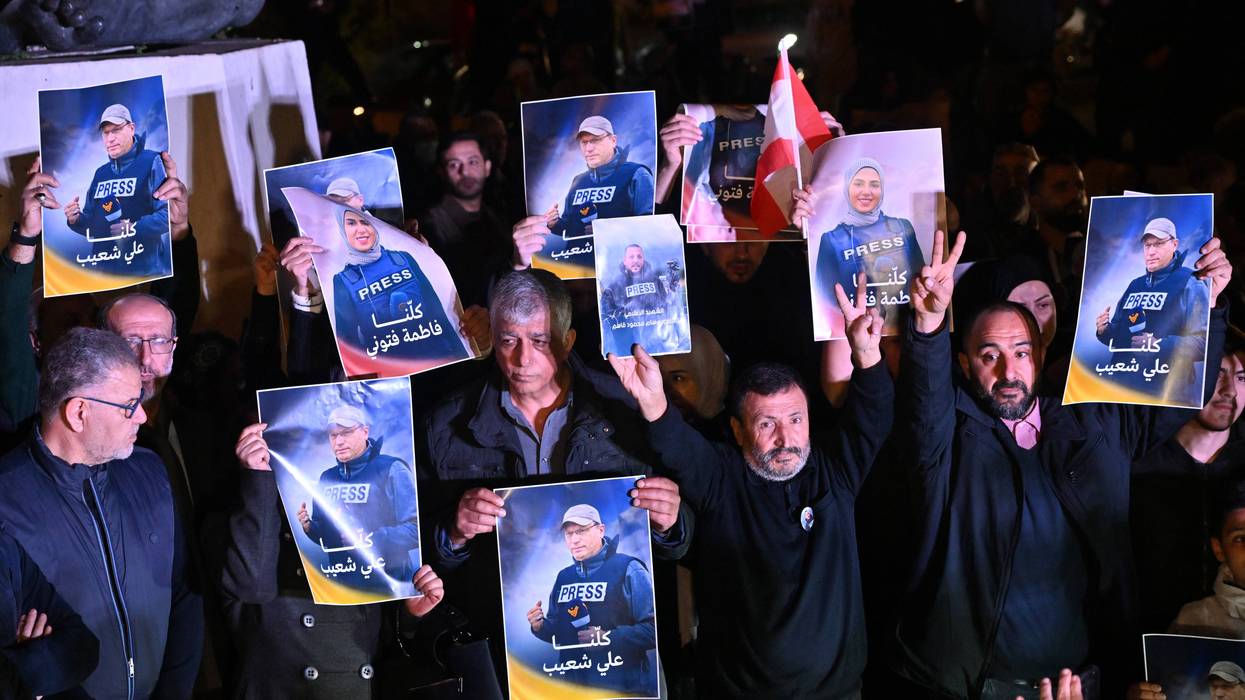
US policies in the region are headed toward disaster—not only for the US and its stated goals, but also, and more importantly, for the people who live there.
One reason why US policy in the Middle East has been so problematic is because policymakers refuse to consider its impact on the needs of Arab people. With Israel, it’s a different story. Overattentiveness to Israeli concerns coupled with the lack of sensitivity to what Arabs think about our actions has led to deep fractures between Arabs and the US and within the Arab World.
Since 2000, we’ve conducted over 50 multination opinion polls on a variety of topics. We explored Arab attitudes toward other Arabs, the US, China, Russia, Iran, and Israel. We also examined attitudes toward conflicts in the region.
It’s been over two years since we’ve polled across the Arab World, but based on what we saw developing during our two and a half decades of work, it’s clear that US policies are headed toward disaster—not only for the US and its stated goals, but also, and more importantly, for the Arab people.
What follows are some observations based on the trend lines we have culled from our surveys:
Bush’s Iraq war and neglect of Palestinians further lowered US ratings. They rose with President Barack Obama’s promise of change but fell when he didn’t deliver on them. Attitudes further plummeted with President Donald Trump’s pro-Israel, anti-Muslim policies.
By late 2023, our last multination poll showed President Joe Biden’s support for Israel’s war on Gaza generating even stronger negatives. To make matters worse, the complications created by President Trump’s US-Israel attacks on Iran, coupled with his assault on the very aspects of America that were respected worldwide—our universities, press freedom, and immigration policy—make it likely that Arabs are now finding it difficult to even like American values.
Following this trajectory, one can reasonably assume that the US-Israel attacks on Iran coupled with Israel’s attacks on Lebanon and Syria, and Israel’s boasts of becoming the regional power that was “defending Western civilization against barbarism,” won Iran some sympathy in Arab public opinion. The same might be true for the recent US-Israel attacks on Iran, except that instead of seeking Arab support, Iran deliberately attacked its Arab Gulf neighbors—the very countries that had been trying to restore relationships with the meddlesome Islamic Republic. This, no doubt, turned opinion among many in the Gulf against Iran. It is uncertain, however, how much intra-Arab friction this is causing in the rest of Arab world.
We repeated this question at the end of September 2023 and had completed about half of the questionnaires by October 7, the date of the Hamas attack. We interrupted the survey and only went back a few weeks later to complete it. The changes in the results were significant. Before October 7, responses were similar to the 2019 poll, but by the end of October, in reaction to the intensity of Israel’s assault on Gaza, attitudes shifted dramatically against any attempt to deal with Israel. Three years later, one can reasonably assume this hasn’t changed.
In 2024 and 2025, on three occasions, we polled in the Occupied Lands. Results were disturbing. Israeli policy had worked to discredit the Palestinian Authority, weakening its ability to govern. Opinion in the West Bank had turned against the PA, with respondents saying they preferred Hamas. In Gaza, we found that Hamas had fallen into deep disfavor, with a strong plurality of Gazans preferring the PA. In both the West Bank and Gaza there was little support for US, Israeli, or international governance. They preferred Palestinian unity.
Meanwhile, Israel continues to lay waste to Gaza and is running roughshod over the West Bank and East Jerusalem, further angering Palestinians and discrediting the PA. All the while Israel rejects any role for the PA in Gaza. As the situation further unravels, the US ignores Palestinians’ wishes and turns a blind eye to Israeli misdeeds.
Seen in this light, US efforts to pressure the Lebanese government to forcibly disarm Hezbollah and make a peace agreement with Israel is dangerous for Lebanon’s stability.
***
In each instance, it is America’s lack of attentiveness to Arab sensitivities and needs that contributes to making a bad situation even worse—further embittering Arabs toward the US, deepening fissures within the Arab World, while fostering every-expanding Israeli impunity.
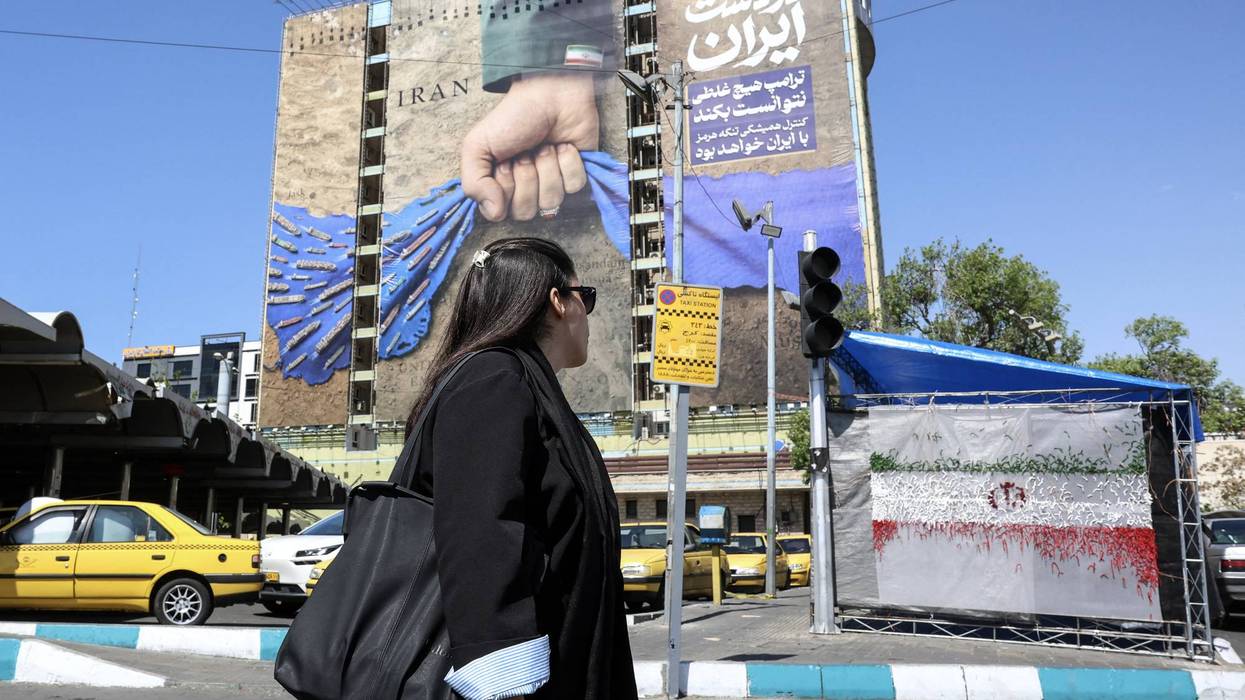
Meanwhile, Israel responded to Trump's purported prohibition of Israeli attacks on Lebanon by attacking the country.c
Iran said Friday that the Strait of Hormuz is fully reopened to international shipping following an Israel-Lebanon ceasefire agreement, prompting thanks from President Donald Trump—who then said the US naval blockade on Iranian ports will continue.
"In line with the ceasefire in Lebanon, the passage for all commercial vessels through Strait of Hormuz is declared completely open for the remaining period of ceasefire, on the coordinated route as already announced," Iranian Foreign Minister Abbas Araghchi said.
Trump first thanked Iran in a post on his Truth Social network. However, about 20 minutes later, the president posted again on the site, writing:
THE STRAIT OF HORMUZ IS COMPLETELY OPEN AND READY FOR BUSINESS AND FULL PASSAGE, BUT THE NAVAL BLOCKADE WILL REMAIN IN FULL FORCE AND EFFECT AS IT PERTAINS TO IRAN, ONLY, UNTIL SUCH TIME AS OUR TRANSACTION WITH IRAN IS 100% COMPLETE. THIS PROCESS SHOULD GO VERY QUICKLY IN THAT MOST OF THE POINTS ARE ALREADY NEGOTIATED.
The US, Iran, and Israel agreed to a two-week ceasefire on April 7 after Trump threatened a genocidal attack on Iran, saying that "a whole civilization will die tonight" if there was no deal that day. Officials on all sides clarified that the truce did not signal the end of the ongoing war.
Friday's announcements followed the implementation of a tentative 10-day ceasefire agreement between Israel and Lebanon, where nearly 50 days of Israeli bombardment has killed or wounded thousands of Lebanese, including hundreds of children, and displaced more than a million others.
It is unclear how Hezbollah, which did not take part in ceasefire negotiations, will respond. The Lebanon-based militant group has retaliated for Israel's genocide in Gaza and attacks on Lebanon with rocket and drone strikes on Israel, and the Lebanese government is largely unable to stop Hezbollah from further attacks if it decides to launch them.
Thousands of Iranians have also been killed or wounded by US and Israeli bombing since February 28, the day the war was launched. That was also the day that a US cruise missile strike on a girls' school in Minab killed 168 people, mostly children.
About half an hour after Trump's Friday post confirming the reopening of the Strait of Hormuz, the president took to Truth Social again, this time announcing that "the USA will, separately, work with Lebanon, and deal with the Hezboolah [sic] situation in an appropriate manner. Israel will not be bombing Lebanon any longer. They are PROHIBITED from doing so by the U.S.A. Enough is enough!!!"
Lebanese and Israeli media reported that, minutes after Trump's purported prohibition, Israel subsequently launched a drone strike targeting a motorcycle between the southern Lebanese towns of Kounine and Beit Yahoun, killing one person. The terms of Thursday's ceasefire do allow Israel to conduct "defensive" strikes against “planned, imminent, or ongoing attacks.”
Mediators said Lebanon was included in the ceasefire agreement between the US and Iran. Netanyahu said it “does not include Lebanon" and launched the largest attack of the war so far.
Israel made it abundantly clear on Wednesday that it does not consider Lebanon to be protected by Tuesday night’s ceasefire that halted hostilities for two weeks between the US and Iran.
Hours after the ceasefire was reached, the Israel Defense Forces (IDF) announced that it had begun "the largest coordinated strike across Lebanon," since it began its assault on the country in early March, with bombardments on what it said were Hezbollah targets across Beirut, Bekaa, and southern Lebanon.
According to the Lebanese Ministry of Health, at least 87 people have been killed and more than 700 wounded across the country.
Hezbollah reportedly held its fire against Israel after Pakistan's Prime Minister Shehbaz Sharif, who mediated the agreement, said on Tuesday that "Iran and the United States of America, along with their allies, have agreed to an immediate ceasefire everywhere, including Lebanon and elsewhere, EFFECTIVE IMMEDIATELY."
But Israeli Prime Minister Benjamin Netanyahu declared on Wednesday that, at least in Israel's eyes, the two-week agreement “does not include Lebanon." Israel said much of what was hit was located “within the heart of the civilian population."
Images and videos posted to social media show scenes that one resident described as "apocalyptic." Many of the attacks reportedly came without warning.
"Families were caught completely by surprise, with no time to escape," the resident said.
According to The Guardian:
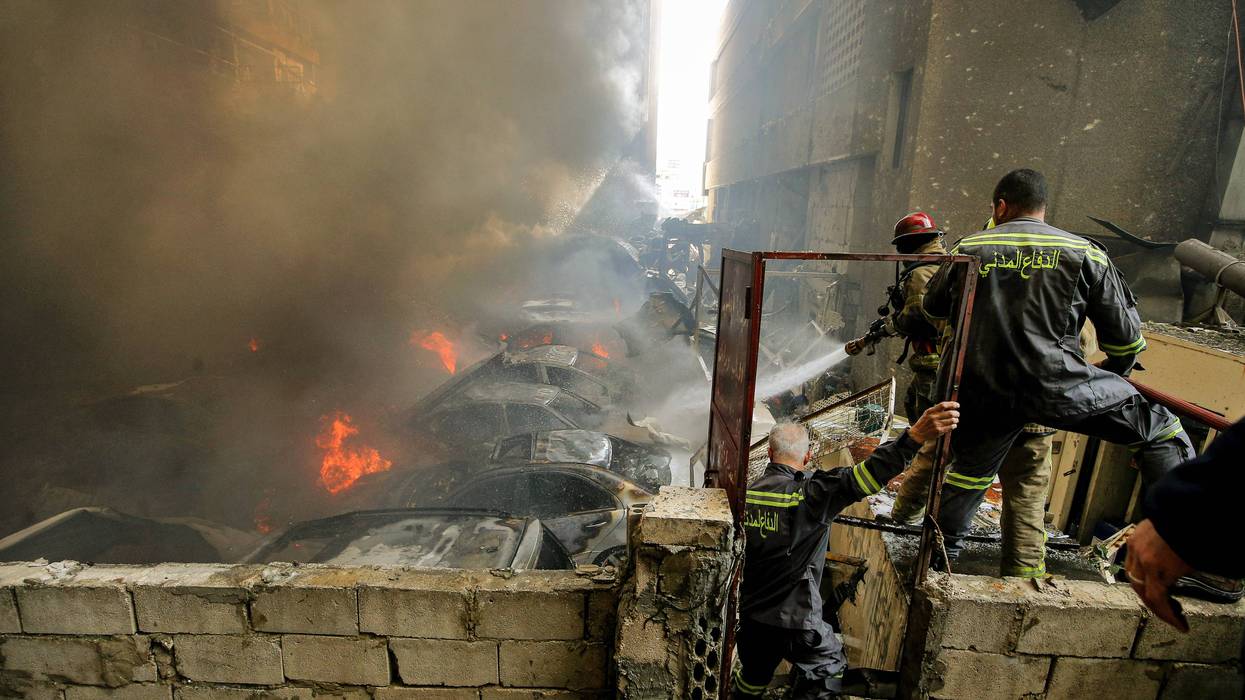
Warplanes leveled several buildings in the center of the capital city without warning, filling the skies with smoke and the sounds of sirens as ambulances headed to impact sites.
The streets of Beirut were filled with cars crumpled by the blasts and the flaming wreckage of buildings that first responders struggled to extinguish.
People rushed home to check on their families; a man filmed as he ran towards a struck building in the Chiyah neighbourhood, screaming: “There are people inside!”
Pictures of rubble-covered children circulated on social media as people tried to find their parents.
Israel said it attacked more than 100 targets in less than 10 minutes.
Many more people remain trapped beneath the rubble, according to Haaretz, and full casualty counts have not yet been conducted. Meanwhile, hospitals across Beirut are overflowing with injured people, and first responders have issued urgent appeals for blood donations.
"The wounded and casualties are numerous," said Lebanese Red Cross head Georges Kettaneh, according to the Lebanese news network LBCI. "We are doing everything we can to save them.”
Israel launched another wave of attacks across other parts Lebanon, including a strike on an ambulance in Tyre that killed at least four people, according to local sources.
A bombing in the port city of Sidon left eight people dead and 22 injured. Video from local media outlets shows a local cafe lying in ruins as residents run in fear and paramedics rush to transport the wounded.
Other footage posted by local media showed a gigantic plume of smoke rising above a village in Shamstar, where mourners were reportedly attacked during a funeral procession.
Lebanon's prime minister, Nawaf Salam, said on social media: "Whilst we welcomed the agreement between Iran and the United States, and stepped up our efforts to reach a ceasefire agreement in Lebanon, Israel continues to escalate its attacks, which have targeted densely populated residential neighborhoods and claimed the lives of unarmed civilians across Lebanon."
He added that Israel was "showing no regard for regional and international efforts to end the war, let alone the principles of international law and international humanitarian law, which it has never respected in the first place."
IDF Chief of Staff Eyal Zamir said Israel planned to continue the attacks "without stopping."
The attacks are already threatening to torpedo the ceasefire between the US and Iran in its infancy. Hezbollah legislator Ibrahim Al-Moussawi has warned of a response from Iran if Israel continues to attack Lebanon.
“The agreement includes Lebanon, according to its terms, and Iran insisted on this inclusion,” Al-Moussawi told local television channel Al-Jadeed.
According to Iran's Fars News Agency, it has once again halted traffic in the Strait of Hormuz in response to Israel's attack, putting in jeopardy a core piece of the agreement—that the waterway would be reopened.
Already, Israeli attacks have killed more than 1,500 people in Lebanon since the beginning of March, including at least 130 children. Israeli evacuation orders have forced more than 1.2 million people—one in five—to flee their homes, and the military has pressured Christian and Druse communities and southern Lebanon to force out Shia Muslims in neighboring communities, which has been described by observers as a push for ethnic cleansing.
Israel routinely violated its previous ceasefire with Lebanon that began in November 2024 with more than 10,000 air and land attacks over the first year, which the United Nations Interim Force in Lebanon (UNIFIL) said demonstrated a “total disregard of the ceasefire agreement.” It has done the same in Gaza, where hundreds of Palestinians have been killed since a ceasefire began in October 2025.
The Beirut-based journalist Séamus Malekafzali warned that by launching the "largest attacks... of this war so far" immediately after the US and Iran reached a tentative agreement, Israel was attempting to create conditions that make a durable ceasefire impossible.
He said, "Israel is attempting to create facts on the ground regarding this ceasefire and the supposed stopping of the war on all fronts, not just Iran."
UPDATE: This article has been edited following publication to contain more updated casualty numbers from the Lebanese Ministry of Health.
"Israel will keep doing it as long as the world keeps looking away with their eyes while reaching out their hands to help fund it," wrote one critic.
Critics accused Israel of plotting a mass ethnic cleansing campaign in southern Lebanon after a Wednesday report in The New York Times outlined a push by Israeli officials to expel Shiite Muslims from the area.
According to the Times, Israeli military officials have been privately pressing Christian and Druse communities in southern Lebanon to "force out any Lebanese from neighboring Shiite Muslim communities who have sought refuge among them as Israeli bombardments flatten Shiite towns."
Local Christian and Druse leaders told the Times that they believed Israel was sending a "clear signal" that their goal is to drive out all Shiites, who make up the majority of people of southern Lebanon. Hezbollah is a Shiite militia group that has regularly fired rockets into Israel.
Ali Naser, a 26-year-old Shiite who lives near the Israel-Lebanon border, told the Times that he and his family had initially found shelter from Israeli bombing in the Christian town of Rmeish. However, he said that local leaders told him that they've come under great pressure from Israel to not give Shiites refuge.
"Israel wants to create a new buffer zone, it wants us out, what can we do?" asked Naser.
Adam Serwer, staff writer at The Atlantic, posted an excerpt of the Times' report on Israel's plans in Southern Lebanon and commented, "So what this describes is ethnic cleansing."
Ashton Pittman, news editor at the Mississippi Free Press, shared Serwer's opinion that Israel's actions are "100% ethnic cleansing," and chided the international community for once again sitting on its hands while Israel carries out illegal forced displacement of Shiite Muslims.
"Israel will keep doing it," he wrote, "as long as the world keeps looking away with their eyes while reaching out their hands to help fund it."
George Washington University political scientist Marc Lynch also argued that the world should doing more to stop Israel's invasion of Lebanon.
"Israel’s open ethnic cleansing of south Lebanon and declared intent to occupy its neighbor’s territory should be the subject of intense international outrage, pressure, and mobilization," wrote Lynch.
The human rights organization DAWN on Wednesday cited recent remarks from Israeli Defense Minister Israel Katz about Israel's plans to level Lebanese villages adjacent to Israel's border, while also refusing to allow Lebanese citizens who evacuated the area to return.
Michael Schaeffer Omer-Man, director for Israel-Palestine at DAWN, accused Israel of "accelerating its agenda to take over more land, this time in Lebanon."
"[Israel's] track record in Palestine and across the region makes clear it won't stop without concrete consequences," said Omer-Man, "and states should act before it's too late."
United Nations emergency relief coordinator Tom Fletcher warned on Tuesday that "a cycle of coercive displacement is unfolding" in Lebanon, where Israel's military invasion has so far displaced more than 1.1 million people.
Fletcher also said that the conflict in southern Lebanon was causing "anxiety and tensions at levels I have not witnessed in many years" in the region.