
SUBSCRIBE TO OUR FREE NEWSLETTER
Daily news & progressive opinion—funded by the people, not the corporations—delivered straight to your inbox.
5
#000000
#FFFFFF
To donate by check, phone, or other method, see our More Ways to Give page.


Daily news & progressive opinion—funded by the people, not the corporations—delivered straight to your inbox.
“I hope it doesn’t have to come to that because these demands are very, very simple,” said a friend to one of the activists. “They are asking the British government to uphold international and national law.”
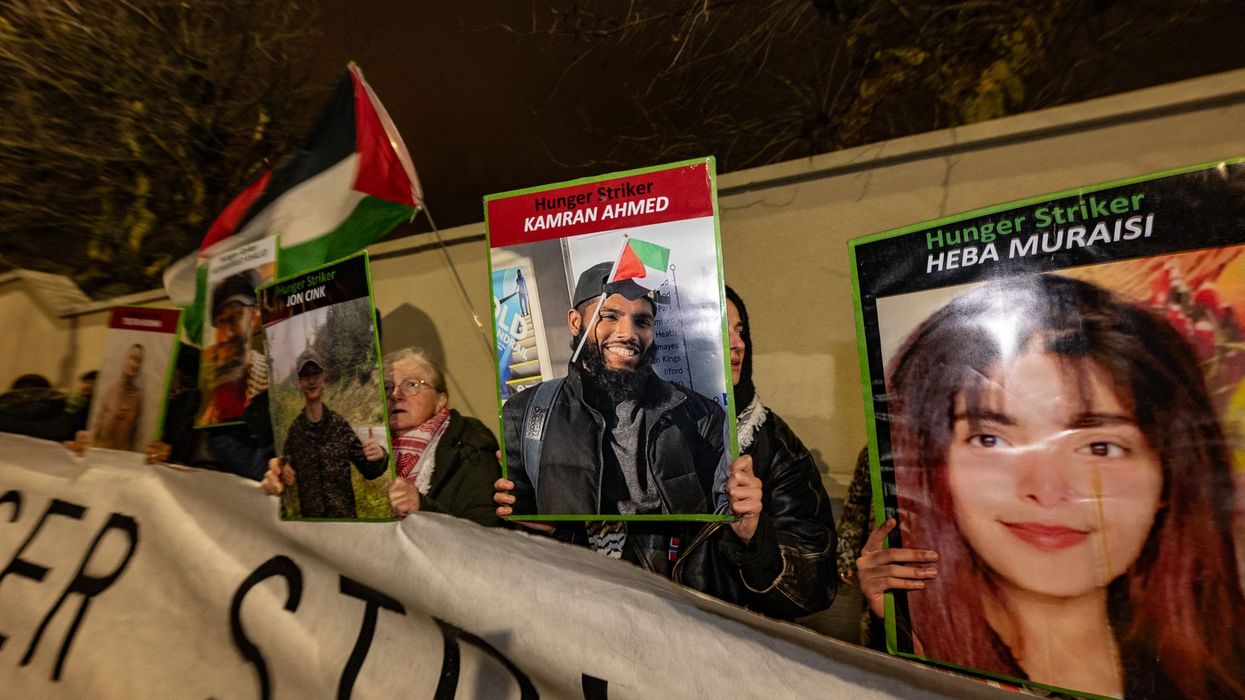
Eight Palestine Action activists in the UK are at risk of dying in prison as they remain on hunger strike to protest their detention, according to hundreds of medical professionals.
More than 800 doctors, nurses, and therapists wrote to Justice Secretary David Lammy on Thursday to warn that the detainees, who are all between the ages of 20 and 31, were not receiving adequate medical care. The activists are being held in five prisons on remand, meaning that they are kept in prison before trial without being released on bail.
"Without resolution, there is the real and increasingly likely potential that young British citizens will die in prison, having never even been convicted of an offense,” the campaigners said.
At least five of the hunger strikers have reportedly been hospitalized after refusing food for weeks. Two of the strikers, Amu Gib and Qesser Zuhrah, have refused food for 48 days, while another, Heba Muraisi, has refused for 47.
Ella Moulsdale, a fellow activist and friend of Zurah's, told ITV: "It's very hard to watch her walk right now. She has almost no energy to, so she walks extremely slowly, with her back hunched in pain. She still wants me to hug her, but she can't hug back at all."
"Any day after day 35 is considered final and severe, when your body essentially starts to eat itself," Moulsdale said. "Her body is clearly working overtime, and it doesn't have enough fuel to keep her alive."
The eight hunger strikers are among 33 people arrested in connection with two direct actions against entities they argue are taking part in Israel’s human rights violations in Palestine.
Four were arrested for alleged involvement in a 2024 break-in at a facility in Filton for Elbit Systems, Israel's largest arms manufacturer and the primary supplier of weapons and surveillance technology used in the genocide in Gaza and Israel's occupation of the West Bank.
After breaking into the facility, activists are accused of having dismantled military equipment, including quadcopter drones, which have been used to kill and maim Palestinians in Gaza, sometimes reportedly playing the sounds of crying women and babies to lure them out of hiding. The activists also allegedly destroyed other weapons systems, computers, and manufacturing equipment, totaling over £1 million. In September, Elbit quietly closed down the site.
Four others are accused of trespassing at a British Royal Air Force base in Norton, where they reportedly sprayed red paint on the engines of two aircraft. According to one report, since December 2023, the RAF has conducted over 1,000 hours worth of surveillance over Gaza, communicating intelligence to the Israeli military.
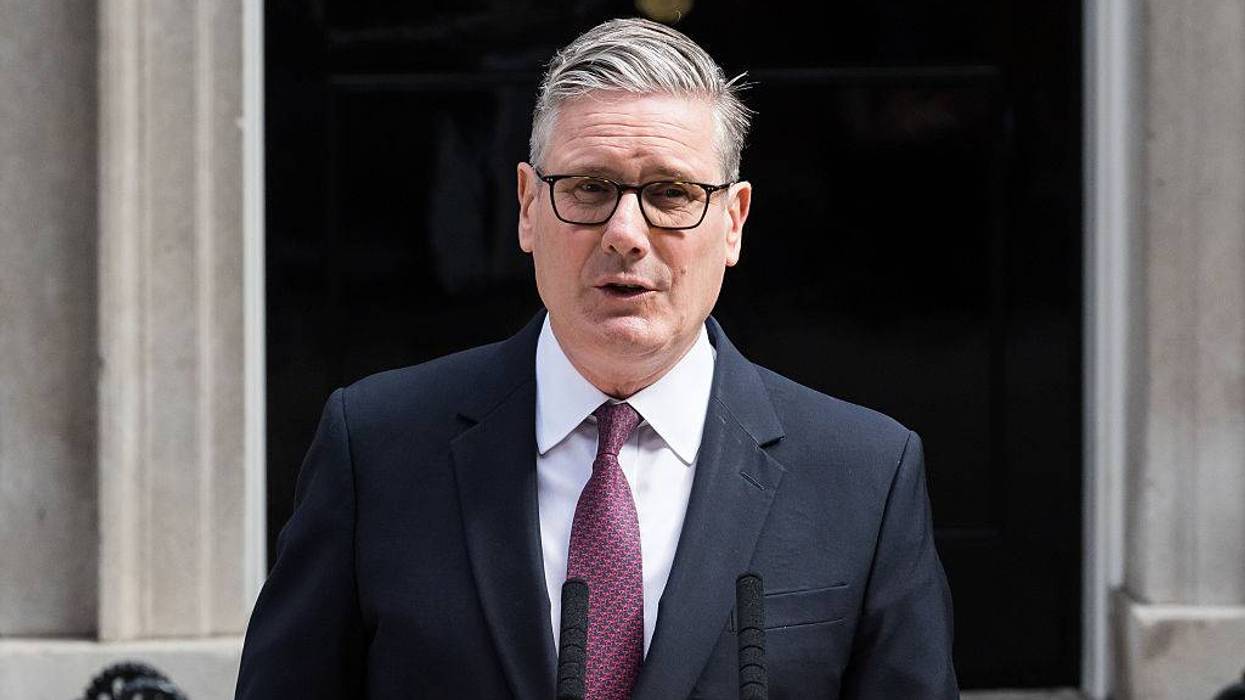
The Labour Party government, led by Prime Minister Keir Starmer, added Palestine Action to a list of banned "terrorist" organizations in July, which made membership in or support for the group a criminal offense.
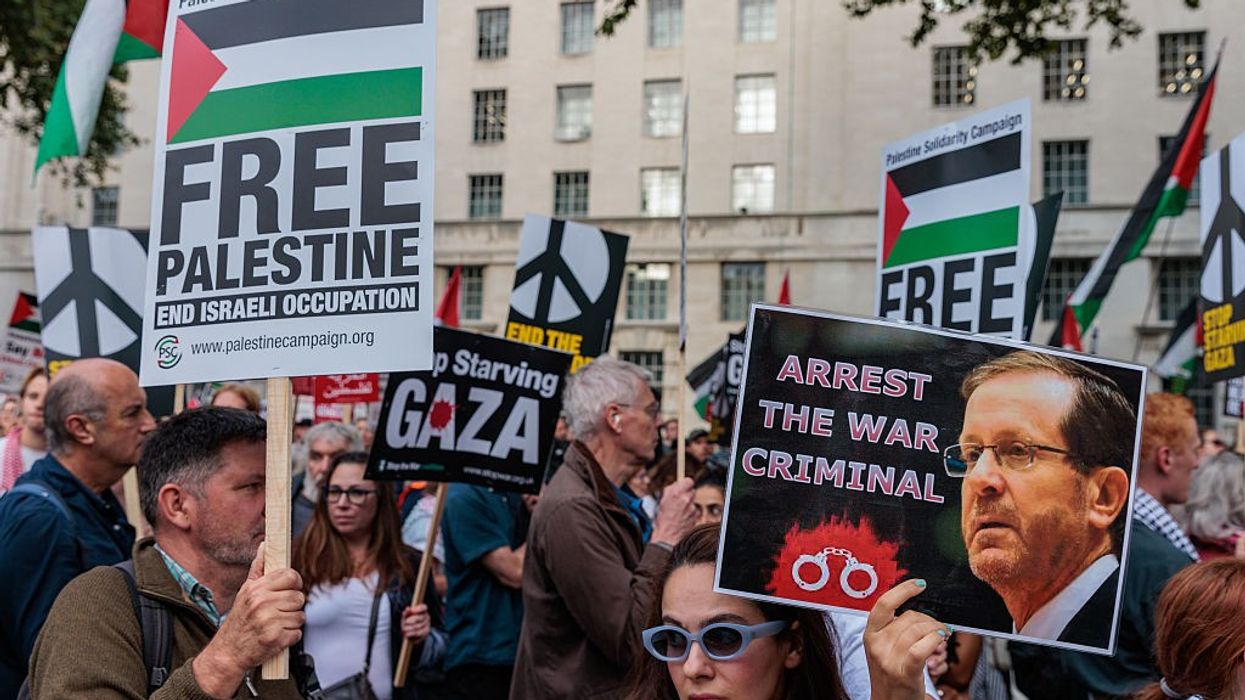
According to Amnesty International, more than 600 people were arrested for peacefully supporting the group between November 18 and 29. In October, over 500 protesters were arrested on a single day, mostly for holding signs calling on British authorities to lift the ban.
Since the ban went into effect, more than 2,700 people have been arrested across the UK over support for or involvement with Palestine Action. The UK has seen a more than 660% increase in "terrorism" related arrests since September as a result of the ban.
Dr. James Smith, an emergency physician and lecturer at University College London, told ITV that the activists on hunger strike need specialist medical care that they are not receiving.
According to Smith, 200 members of the British Medical Association wrote a letter to the organization's leadership "to sound the alarm" about "substandard monitoring and treatment" for the prisoners.
"The hunger strikers are at imminent risk of irreversible damage to their bodies, and of death," Smith said. “It is my view, as [a National Health Service] doctor, that the complexity of the hunger strikers’ care needs must now be managed with regular specialist input if not continuous monitoring in hospital.”
"Put simply, the hunger strikers are dying,” he added at a press conference Thursday. “They are all now at a critical stage.”
Earlier this week, a group of 51 members of parliament and peers wrote a separate letter urging Lammy to meet with lawyers for the eight prisoners. UK Prison Minister Lord James Timpson dismissed the request, saying he would not meet with any of the prisoners or their attorneys: "I don't treat any prisoners any differently from any other," he said.
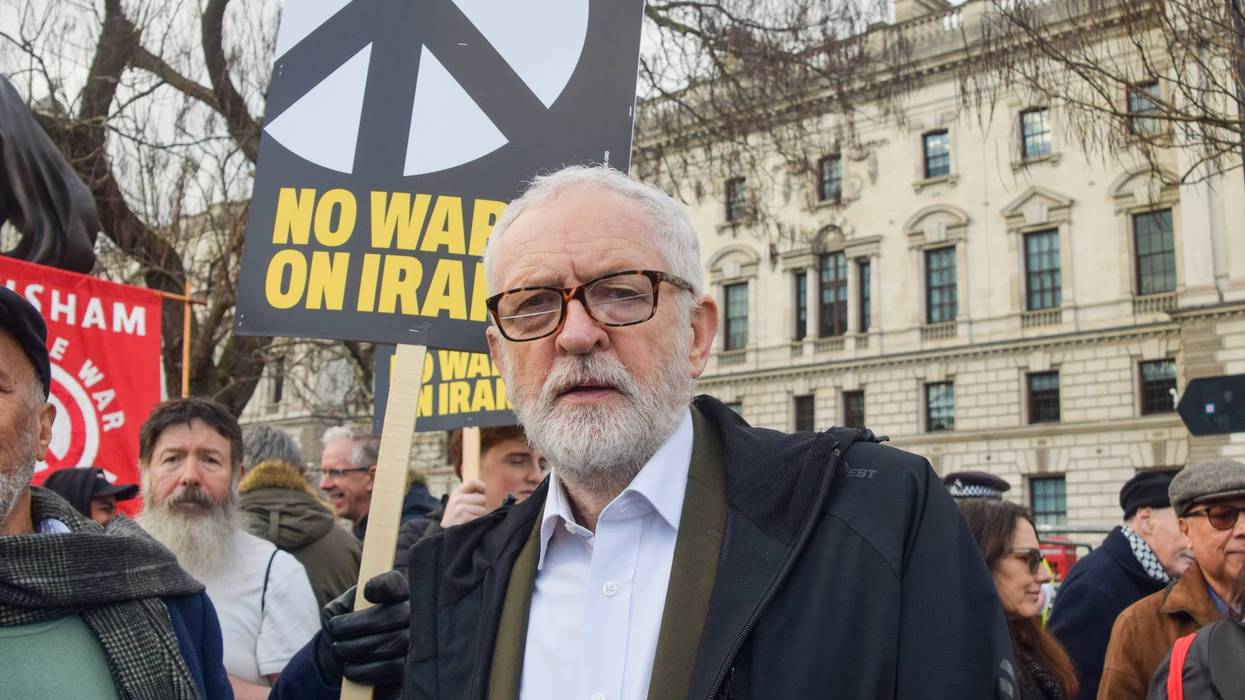
On Wednesday, former Labour Party leader Jeremy Corbyn, who is now an independent MP, wrote Lammy another letter asking if he shared the minister's satisfaction, and reiterating that the eight prisoners are "at serious risk of death" amid "regular breaches of prison conditions and prison rules."
"The Ministry of Justice is still refusing to meet with the lawyers or families of hunger strikers being held on remand," Corbyn said in a post on social media. "This is a shambolic dereliction of duty. I have written to David Lammy, again, imploring him to do the right thing before it is too late."
Starmer responded to Corbyn's criticisms himself in Parliament that same day: “He will appreciate there are rules and procedures in place in relation to hunger strikes, and we’re following those rules and procedures."
The hunger strikers have demanded immediate bail and the right to a fair trial. They have also called for an end to the censorship of their communications, a lift on the ban against Palestine Action, and the closing of all UK sites run by Elbit.
Asked if her friend Zurah would continue to refuse food even as she reaches deadly stages, Moulsdale said, "That's ultimately her decision to make."
"I hope it doesn't have to come to that because these demands are very, very simple," she said. "They are asking the British government to uphold international and national law."
"Labour won't redistribute wealth from billionaires," said former party Leader Jeremy Corbyn. "But they will seize belongings from those fleeing war and persecution."
A new asylum policy announced Monday by the UK Labour Party will allow authorities to confiscate the jewelry and other belongings of asylum-seekers in order to pay for their claims to be processed.
The policy, which some critics said was "reminiscent of the Nazi era," was just one part of the Labour Party's total overhaul of the nation's asylum system, which it says must be made much more restrictive in order to fend off rising support for the far-right.
In a policy paper released Monday, the government announced that it would seek to make the status of many refugees temporary and gave the government new powers to deport refugees if it determines it to be safe. It also revoked policies requiring the government to provide housing and legal support to those fleeing persecution, while extending the amount of time they need to wait for permanent residency to 20 years, up from just five, for those who arrive illegally.
The UK government also said it will attempt to change the way judges interpret human rights law to more seamlessly carry out deportations, including stopping immigrants from using their rights to family life under the European Convention on Human Rights (ECHR) to avoid deportation.
In an article for the Guardian published Sunday, UK Home Secretary Shabana Mahmood called the reforms "the most significant and comprehensive changes to our asylum system in a generation." She said they were necessary because the increase in migration to the UK had stirred up "dark forces" in the country that are "seeking to turn that anger into hate."
Nigel Farage, the leader of the far-right Reform UK Party, is leading national polls on the back of a viciously anti-immigrant campaign that has included calls to abolish the UK's main pathway for immigrants to become permanent residents, known as "leave to remain."
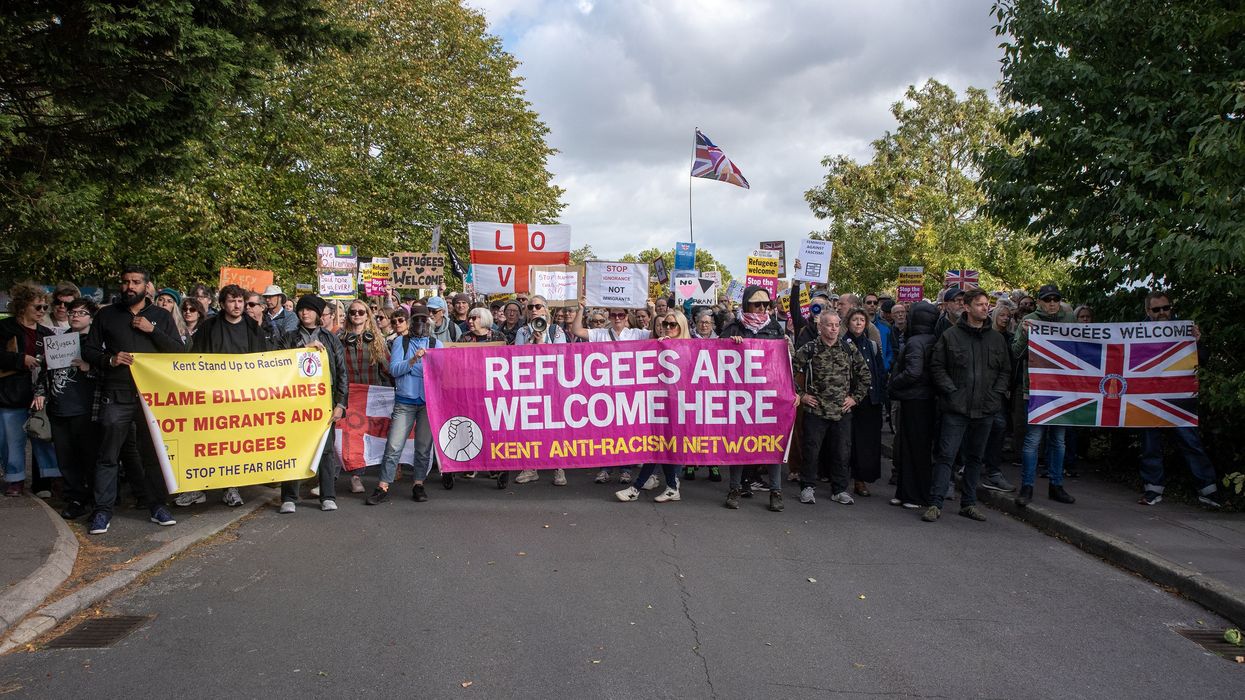
Meanwhile, in September, over 100,000 people gathered in London for an anti-immigrant rally led by Tommy Robinson, a notorious far-right figure who founded the anti-Muslim English Defence League (EDL). The event saw at least 26 police officers injured by protesters.
Last summer, riots swept the UK after false claims—spread by Robinson, Farage, and other far-right figures—that the perpetrator of the fatal stabbing of two young girls and their caretaker had been a Muslim asylum-seeker. A hotel housing asylum-seekers was set on fire, mosques were vandalised and destroyed, and several immigrants and other racial minorities were brutally beaten.
Mahmood said that if changes are not made to the asylum system, "we risk losing popular consent for having an asylum system at all."
But as critics were quick to point out, the far-right merely took Labour's crackdown as a sign that it is winning the war for hearts and minds.
Robinson gloated to his followers that "the Overton window has been obliterated, well done patriots!" while Farage chortled that Mahmood "sounds like a Reform supporter."
Many members of the Labour coalition expressed outrage at their ostensibly Liberal Party's bending to the far-right.
"The government should be ashamed that its migration policies are being cheered on by Tommy Robinson and Reform," said Nadia Whittome, the Labour MP for Nottingham East. "Instead of standing up to anti-migrant hate, this is laying the foundations for the far-right."
In a speech in Parliament, she chided the home secretary's policy overhaul, calling it "dystopian."
"It's shameful that a Labour government is ripping up the rights and protections of people who have endured unimaginable trauma," she said. "Is this how we'd want to be treated if we were fleeing for our lives? Of course not."
The UK has signed treaties, including the ECHR, obligating it to process the claims of those who claim asylum because they face persecution in their home countries based on race, religion, nationality, group membership, or political opinion. According to data from the Home Office, over 111,000 people claimed asylum in the year from June 2024-25, more than double the number who did in 2019.
The spike came as the number of people displaced worldwide reached an all-time high of over 123.2 million at the end of 2024, according to the Norwegian Refugee Council, with desperate people seeking safety from escalating conflicts in Sudan, Ukraine, Myanmar, the Democratic Republic of Congo, and across the Middle East.
In her op-ed, Mahmood lamented that "the burden borne by taxpayers has been unfair." However, as progressive commentator Owen Jones pointed out, the UK takes in far fewer asylum-seekers than its peers: "Last year, Germany took over twice as many asylum-seekers as the UK. France, Italy, and Spain took 1.5 times as many. Per capita, we take fewer than most EU countries. Poorer countries such as Greece take proportionately more than we do."
The Labour government, led by Prime Minister Keir Starmer, already boasts that it has deported more than 50,000 people in the UK illegally since it came to power in 2024, but it has predictably done little to satiate the far-right, which has only continued to gain momentum in polls despite the crackdown.
Under the new rules, it is expected that the government will be able to fast-track many more deportations, particularly of families with children.
The jewelry rule, meanwhile, has become a potent symbol of how the Labour Party has shifted away from its promises of economic egalitarianism toward austerity and punishment of the most vulnerable.
"Labour won't redistribute wealth from billionaires," said former party leader Jeremy Corbyn, who is now an independent MP. "But they will seize belongings from those fleeing war and persecution."
"Just because you have freedom doesn’t mean you have to use it at every moment of every day," said Home Secretary Shabana Mahmood after hundreds of peaceful demonstrators were arrested.
After the British government's ban on the group Palestine Action earlier this year failed to silence demonstrations against the genocide in Gaza, the UK's Home Office announced Sunday that it would give police sweeping new powers to crush peaceful protests.
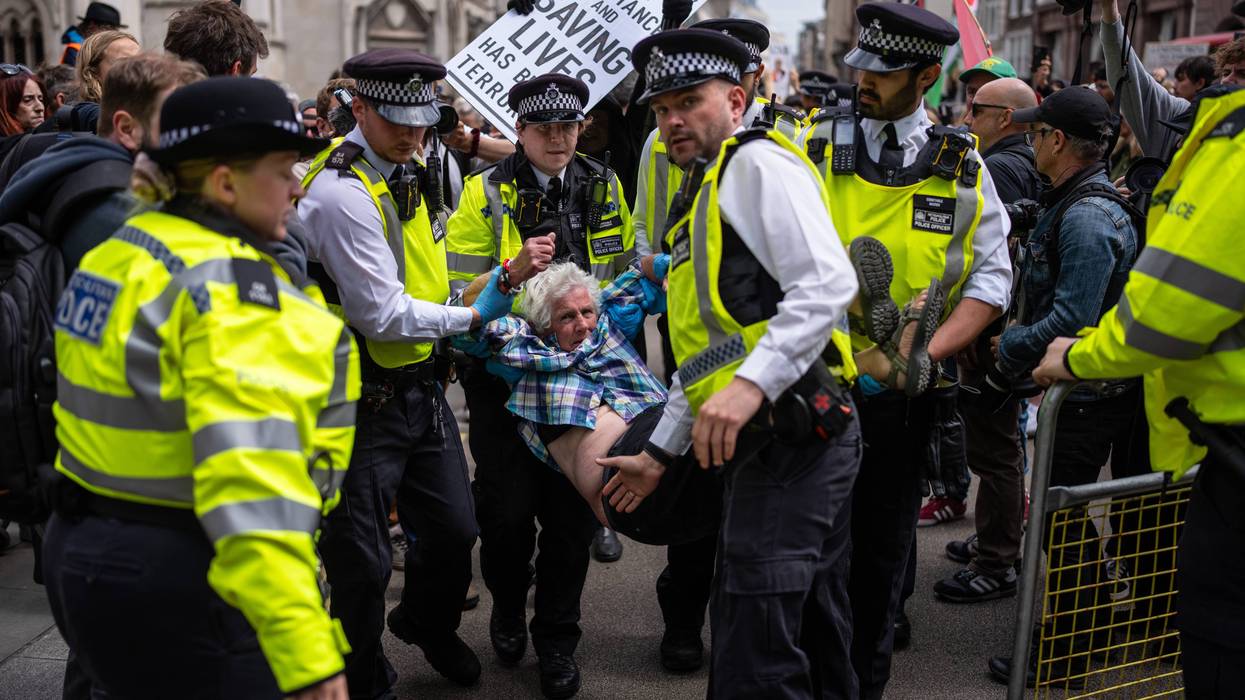
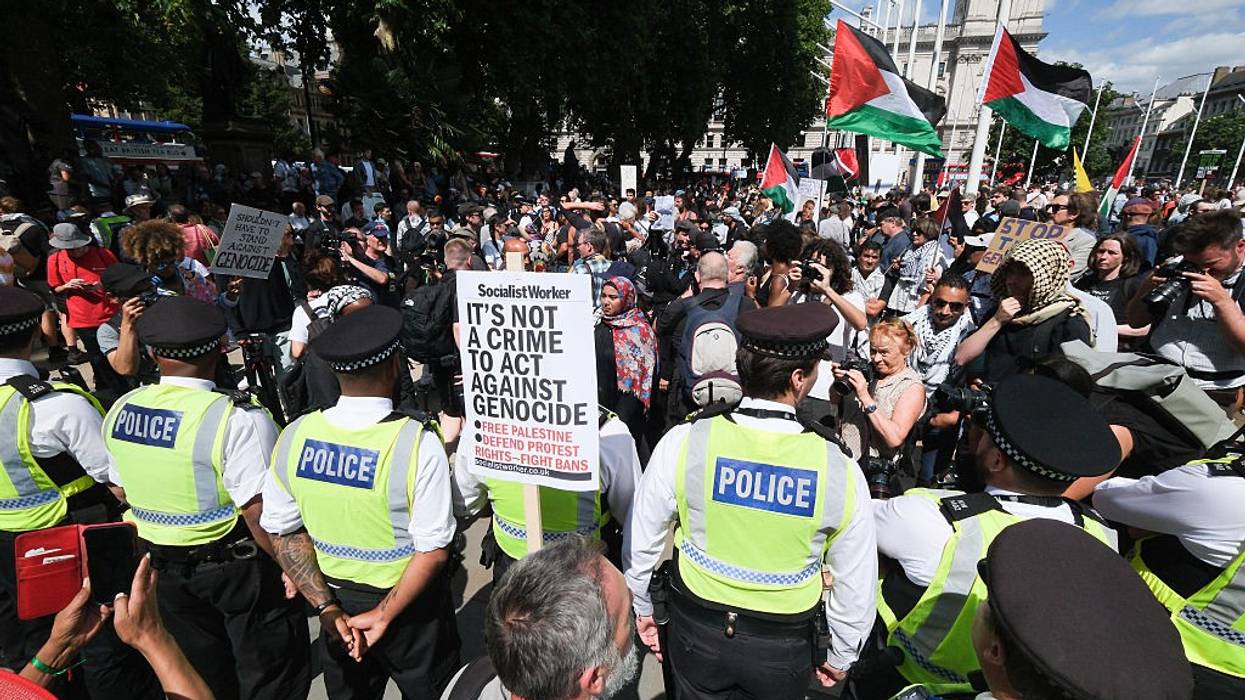
Police arrested nearly 500 more pro-Palestine demonstrators on Saturday—including many Jewish activists—who participated in a protest calling for the government to "Lift the Ban" on the protest group Palestine Action, which was outlawed under Britain's anti-terrorism law in July.
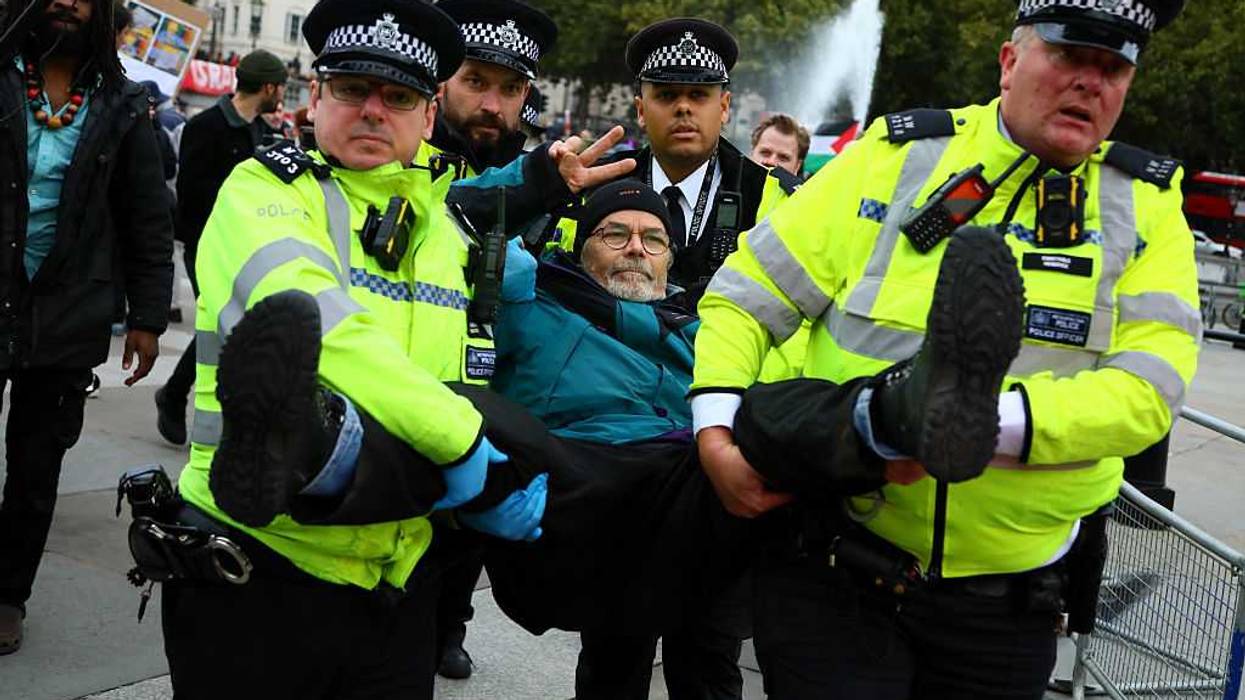
Those arrested included an 83-year-old Anglican priest, the 79-year-old daughter of a Holocaust survivor, and a 79-year-old Jewish man with terminal illness, among hundreds of others who held signs in opposition to the ban as part of a "silent vigil."
That ban was instituted after members of Palestine Action were accused of vandalizing planes at a military base and has been widely criticized, including by former members of the Labour government that passed it. Even the UK’s Joint Terrorism Analysis Center acknowledged in a leaked March report revealed last month by the New York Times that the vast majority of the protest group's actions “would not be classified as terrorism.”
Prior to Saturday, more than 2,000 people had already been arrested since the ban went into effect for voicing support for the outlawed organization. Despite this, the demonstrations have continued, and the Home Office, which handles matters of public safety, announced Sunday that more drastic measures would be taken.
It said police forces would be given new powers under the UK's existing policing law, the Public Order Act, to put new conditions on "repeat protests" and allow senior police authorities to relocate or "to ban protests outright" based on their "cumulative impact."
"The right to protest is a fundamental freedom in our country. However, this freedom must be balanced with the freedom of their neighbours to live their lives without fear," said Home Secretary Shabana Mahmood. "Large, repeated protests can leave sections of our country, particularly religious communities, feeling unsafe, intimidated, and scared to leave their homes. This has been particularly evident in relation to the considerable fear within the Jewish community, which has been expressed to me on many occasions in these recent difficult days."
In the wake of the deadly attack on a Manchester synagogue last week, UK Prime Minister Keir Starmer had called on the group Defend Our Juries (DOJ) to call off Saturday's demonstration in order to "respect the grief of British Jews this week.”
But DOJ organizers said in a statement Friday that "many Jewish supporters of Defend Our Juries have warned that postponing tomorrow’s action would risk conflating the actions of the state of Israel with Jewish people around the world, as [Israeli Prime Minister Benjamin] Netanyahu seeks to do, who bear no responsibility for Israel’s crimes, which could fuel antisemitic hatred and prejudice."
Other leading Jewish figures in Britain have denounced the UK's criminalization of Palestine Action. In August, more than 300 of them, including Jenny Manson, chairperson of Jewish Voice for Labour, signed a letter to Prime Minister Keir Starmer and then-Home Secretary Yvette Cooper denouncing the ban as “illegitimate and unethical.”
According to a poll by YouGov in July, 37% of British people said that in the Israel-Palestine conflict, they sympathized more with the Palestinians, while just 15% said they sympathized more with the Israelis. Others said they sympathized with both equally or were unsure.
In a widely circulated BBC News interview on Sunday, Mahmood defended the Home Office's new restrictions on the basis that it was distasteful for DOJ to protest against Israel at a time when Jewish people were in mourning and that police should have the ability to intervene in such protests.
"I don't think it's offensive to ask people to show a little humanity towards a community that's suffered a terrible tragedy. That's the first loss of Jewish life, simply for being Jewish, on British soil in centuries," she said. "Just because you have a freedom doesn’t mean you have to use it at every moment of every day."
DOJ responded in a post on X: "This is what the home secretary thinks of democracy. Your freedoms are only freedoms within a specific timeframe, a designated location, and only if permitted to be used by Shabana Mahmood. We are fighting for all our freedoms. We will not be deterred." The group has said it will only continue to escalate its protests and called for more demonstrations in November.