SUBSCRIBE TO OUR FREE NEWSLETTER
Daily news & progressive opinion—funded by the people, not the corporations—delivered straight to your inbox.
5
#000000
#FFFFFF
To donate by check, phone, or other method, see our More Ways to Give page.
This week marks the 5th anniversary of BP's Deepwater Horizon disaster. The company continues to be hounded by the legal fallout, including criminal convictions, and it is desperate to do whatever it can to cleanse its public image. This is especially challenging in the face of intense criticism globally from the fossil fuel divestment groups like 350.org, the #keepitintheground campaign and the movement to end oil sponsorship of the arts.
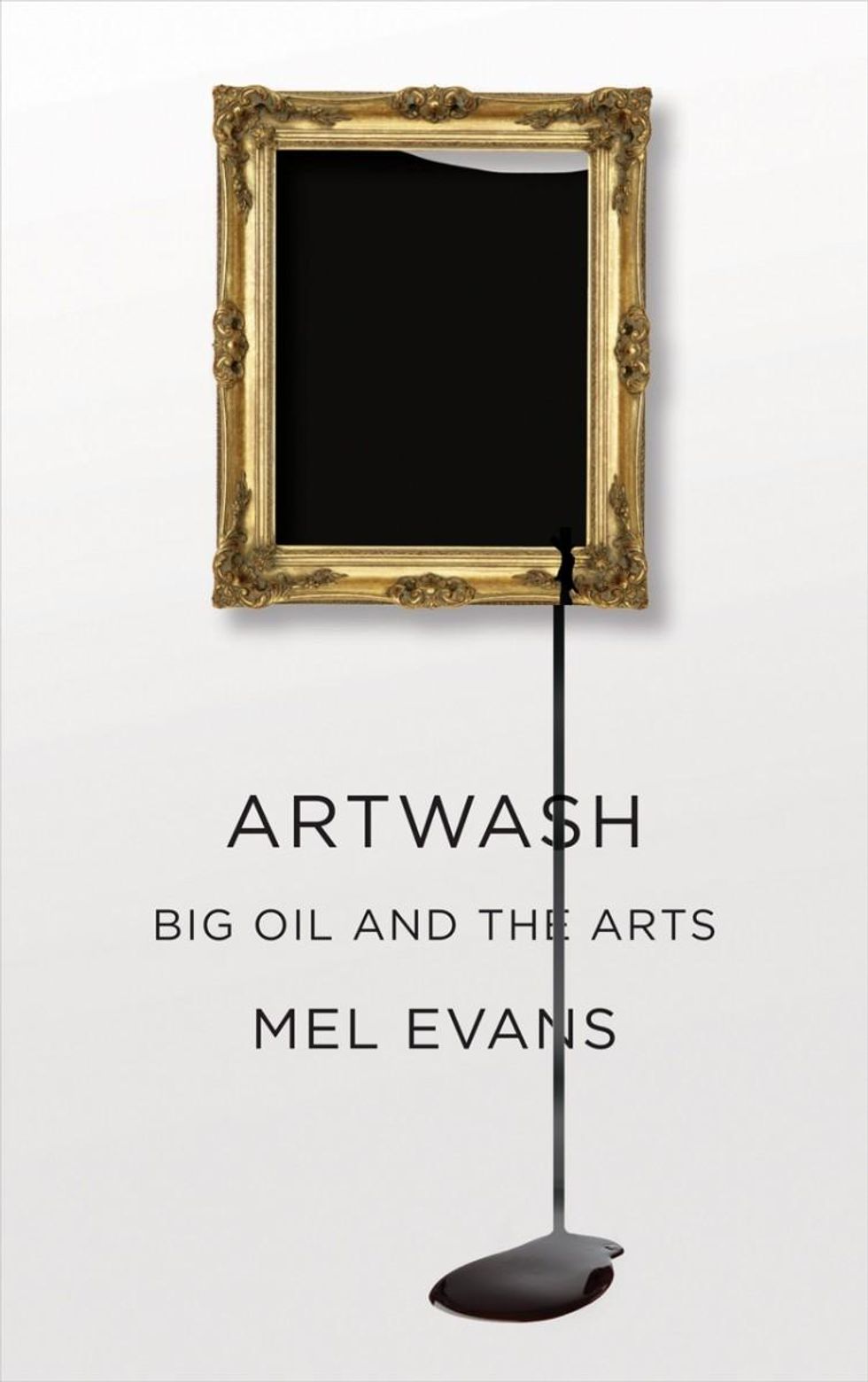
One of BP's PR techniques to weather the Deepwater Horizon backlash is 'Artwash' - the title of my book which has been published on the same day as the anniversary. By sponsoring the likes of Tate and British Museum, as well as the Olympics, BP hopes to achieve a guise of social acceptability, or what oil PR specialists would call 'social licence to operate'. But over the same period since the disaster, a multitude of voices have risen up to criticise cultural institutions for associating themselves with BP.
This has happened hand in hand with the call for universities, religious institutions and pension funds to divest from fossil fuels entirely. As 350.org founder Bill McKibben notes, "the odds of bankrupting Exxon are pretty small, but I think the odds of politically bankrupting them are higher." Criticism of arts sponsorship deals has exactly the same effect - it demonstrates the decreasing levels of social acceptability companies like BP now have. Desmond Tutu has called on both the finance and cultural sectors to separate themselves from the oil industry as part of an "apartheid-style boycott" as the only just response to climate change.
There is rapidly growing discontent amongst artists about the way cultural directors have become stooges for the oil industry. Artists have signed letters or spoken out calling on London's biggest institutions - all of which have secure state funding - to draw an ethical line around oil sponsorship, from Mark Rylance, Caryl Churchill and Mark Ravenhill to Sonia Boyce, Margaret Atwood and Emma Thompson. Numerous artist activist groups have emerged each targeting a different institution that accepts sponsorship from BP or Shell. More groups have started elsewhere in Norway, the US and Brazil. This fight is far from over.
At Tate and British Museum the decision to drop BP will be made from the top. Both institutions have hosted BP-man Lord John Browne on their boards of trustees. Browne worked for BP since the age of 18, was CEO from 1998-2007, and says BP is "in his DNA". Browne was on British Museum's board from 1995-2005, and has been Tate Chair of Trustees since 2009. It must be quite a stifling atmosphere to question the sponsorship internally.
Five years ago the directors may have thought criticism of the deals would fade out - but it hasn't. It's growing. Their current five-year contracts with BP are due to end in 2016. Right now, they have to ask themselves, can they stomach another five-years' lip-service for a company who's name is constantly being dragged through the mud?
Just last Thursday, Gulf Coast activists visited BP's annual general meeting in London to challenge the company about the ongoing harmful health impacts of the chemical dispersant it used in the so-called 'clean-up', which activist Derrick Evans calls BP's "secret sauce": the company has not disclosed the full list of ingredients in the chemical cocktail which is continues even now to be associated with a range of health problems, from respiratory conditions the skin complaints.
The very problems BP hopes to gloss over by associating itself with our nation's most loved and prestigious cultural institutions are exactly the very issues that muddy the polished floors of Tate and British Museum. It's time to clean up.
This week marks the 5th anniversary of BP's Deepwater Horizon disaster. The company continues to be hounded by the legal fallout, including criminal convictions, and it is desperate to do whatever it can to cleanse its public image. This is especially challenging in the face of intense criticism globally from the fossil fuel divestment groups like 350.org, the #keepitintheground campaign and the movement to end oil sponsorship of the arts.
One of BP's PR techniques to weather the Deepwater Horizon backlash is 'Artwash' - the title of my book which has been published on the same day as the anniversary. By sponsoring the likes of Tate and British Museum, as well as the Olympics, BP hopes to achieve a guise of social acceptability, or what oil PR specialists would call 'social licence to operate'. But over the same period since the disaster, a multitude of voices have risen up to criticise cultural institutions for associating themselves with BP.
This has happened hand in hand with the call for universities, religious institutions and pension funds to divest from fossil fuels entirely. As 350.org founder Bill McKibben notes, "the odds of bankrupting Exxon are pretty small, but I think the odds of politically bankrupting them are higher." Criticism of arts sponsorship deals has exactly the same effect - it demonstrates the decreasing levels of social acceptability companies like BP now have. Desmond Tutu has called on both the finance and cultural sectors to separate themselves from the oil industry as part of an "apartheid-style boycott" as the only just response to climate change.
There is rapidly growing discontent amongst artists about the way cultural directors have become stooges for the oil industry. Artists have signed letters or spoken out calling on London's biggest institutions - all of which have secure state funding - to draw an ethical line around oil sponsorship, from Mark Rylance, Caryl Churchill and Mark Ravenhill to Sonia Boyce, Margaret Atwood and Emma Thompson. Numerous artist activist groups have emerged each targeting a different institution that accepts sponsorship from BP or Shell. More groups have started elsewhere in Norway, the US and Brazil. This fight is far from over.
At Tate and British Museum the decision to drop BP will be made from the top. Both institutions have hosted BP-man Lord John Browne on their boards of trustees. Browne worked for BP since the age of 18, was CEO from 1998-2007, and says BP is "in his DNA". Browne was on British Museum's board from 1995-2005, and has been Tate Chair of Trustees since 2009. It must be quite a stifling atmosphere to question the sponsorship internally.
Five years ago the directors may have thought criticism of the deals would fade out - but it hasn't. It's growing. Their current five-year contracts with BP are due to end in 2016. Right now, they have to ask themselves, can they stomach another five-years' lip-service for a company who's name is constantly being dragged through the mud?
Just last Thursday, Gulf Coast activists visited BP's annual general meeting in London to challenge the company about the ongoing harmful health impacts of the chemical dispersant it used in the so-called 'clean-up', which activist Derrick Evans calls BP's "secret sauce": the company has not disclosed the full list of ingredients in the chemical cocktail which is continues even now to be associated with a range of health problems, from respiratory conditions the skin complaints.
The very problems BP hopes to gloss over by associating itself with our nation's most loved and prestigious cultural institutions are exactly the very issues that muddy the polished floors of Tate and British Museum. It's time to clean up.
This week marks the 5th anniversary of BP's Deepwater Horizon disaster. The company continues to be hounded by the legal fallout, including criminal convictions, and it is desperate to do whatever it can to cleanse its public image. This is especially challenging in the face of intense criticism globally from the fossil fuel divestment groups like 350.org, the #keepitintheground campaign and the movement to end oil sponsorship of the arts.
One of BP's PR techniques to weather the Deepwater Horizon backlash is 'Artwash' - the title of my book which has been published on the same day as the anniversary. By sponsoring the likes of Tate and British Museum, as well as the Olympics, BP hopes to achieve a guise of social acceptability, or what oil PR specialists would call 'social licence to operate'. But over the same period since the disaster, a multitude of voices have risen up to criticise cultural institutions for associating themselves with BP.
This has happened hand in hand with the call for universities, religious institutions and pension funds to divest from fossil fuels entirely. As 350.org founder Bill McKibben notes, "the odds of bankrupting Exxon are pretty small, but I think the odds of politically bankrupting them are higher." Criticism of arts sponsorship deals has exactly the same effect - it demonstrates the decreasing levels of social acceptability companies like BP now have. Desmond Tutu has called on both the finance and cultural sectors to separate themselves from the oil industry as part of an "apartheid-style boycott" as the only just response to climate change.
There is rapidly growing discontent amongst artists about the way cultural directors have become stooges for the oil industry. Artists have signed letters or spoken out calling on London's biggest institutions - all of which have secure state funding - to draw an ethical line around oil sponsorship, from Mark Rylance, Caryl Churchill and Mark Ravenhill to Sonia Boyce, Margaret Atwood and Emma Thompson. Numerous artist activist groups have emerged each targeting a different institution that accepts sponsorship from BP or Shell. More groups have started elsewhere in Norway, the US and Brazil. This fight is far from over.
At Tate and British Museum the decision to drop BP will be made from the top. Both institutions have hosted BP-man Lord John Browne on their boards of trustees. Browne worked for BP since the age of 18, was CEO from 1998-2007, and says BP is "in his DNA". Browne was on British Museum's board from 1995-2005, and has been Tate Chair of Trustees since 2009. It must be quite a stifling atmosphere to question the sponsorship internally.
Five years ago the directors may have thought criticism of the deals would fade out - but it hasn't. It's growing. Their current five-year contracts with BP are due to end in 2016. Right now, they have to ask themselves, can they stomach another five-years' lip-service for a company who's name is constantly being dragged through the mud?
Just last Thursday, Gulf Coast activists visited BP's annual general meeting in London to challenge the company about the ongoing harmful health impacts of the chemical dispersant it used in the so-called 'clean-up', which activist Derrick Evans calls BP's "secret sauce": the company has not disclosed the full list of ingredients in the chemical cocktail which is continues even now to be associated with a range of health problems, from respiratory conditions the skin complaints.
The very problems BP hopes to gloss over by associating itself with our nation's most loved and prestigious cultural institutions are exactly the very issues that muddy the polished floors of Tate and British Museum. It's time to clean up.