SUBSCRIBE TO OUR FREE NEWSLETTER
Daily news & progressive opinion—funded by the people, not the corporations—delivered straight to your inbox.
5
#000000
#FFFFFF
To donate by check, phone, or other method, see our More Ways to Give page.
This comes from an institution has been widely criticized for pushing these very policies of 'growth.'
Despite Africa's much-vaunted 'growth' over the past decade, deep poverty and inequality are "unacceptably high and the pace of reduction unacceptably slow," reads Africa's Pulse, an analysis released Monday by the World Bank. "Almost one out of every two Africans lives in extreme poverty today," and by the year 2030, a vast majority of the world's poor will be located in Africa, the report finds.
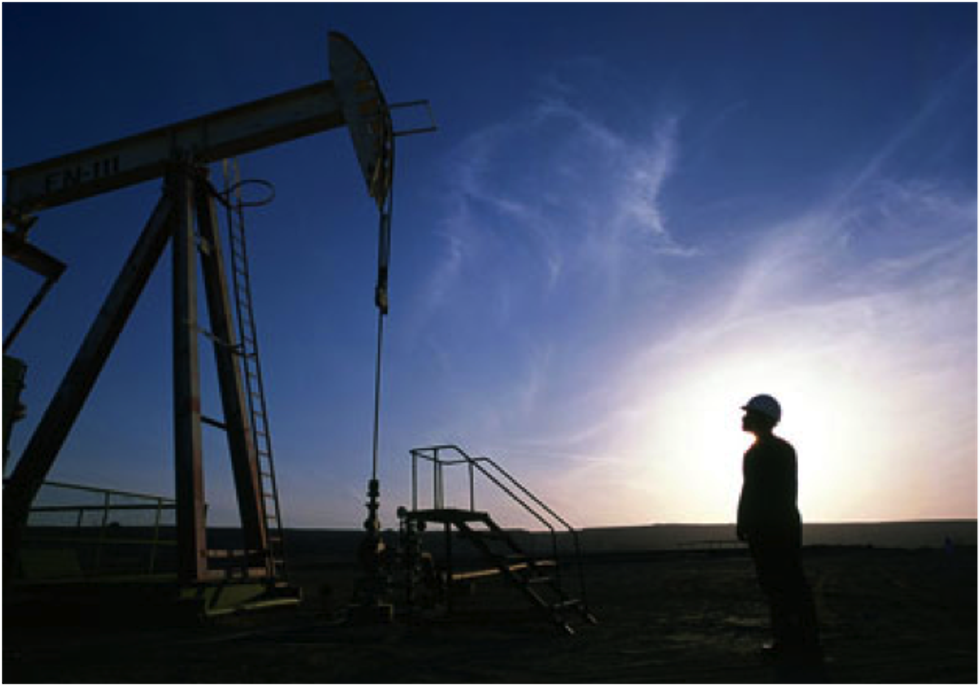
Francisco Ferreira, Acting Chief Economist for the World Bank Africa Region, states, "Africa grew faster in the last decade than most other regions," with a steadily climbing GDP noted in the report. Yet, this so-called growth is highly dependent on relatively few commodities sold for export, including oil, metals, and minerals. "Nearly three-quarters of countries rely on three commodities for 50 percent or more of export earnings," the report reads, with countries like Angola and Nigeria depending on oil for up to 97 percent of all exports.
"[H]igh dependence on one or a few commodities makes Africa's resource-rich countries vulnerable to sharp movements in prices of these commodities," explains Punam Chuhan-Pole, Lead Economist of the World Bank's Africa Region and author of Africa's Pulse.
Furthermore, this wealth is siphoned off to foreign investors, with 2012 exports to the EU and U.S. reaching $148 billion, and exports to BRIC countries reaching $144 billion that same year.
Overall privatization is skyrocketing, with Gross fixed capital formation rising from 16.4% of GDP in 2000 to 20.4% in 2011, indicating the expansion of business assets.
"Higher economic growth does not automatically translate into higher poverty reduction," the report states.
"[The report's Findings are] unfortunately pretty typical of what we've seen in global terms, particularly in the global south, where increases in economic growth overlook how citizens are impacted and reinforce the power of elite elements," said leading scholar Stephen Zunes in an interview with Common Dreams. "Economic structures are still rooted in neo-colonial model."
"Historically, the World Bank has pushed big mega-development projects that basically increase the rate at which you take stuff out of country, and increased the push for exports of raw materials and increases in consumer goods that only elites can afford," he added.
"The problems of resource extraction in Africa are many," writes Godwin Uyi Ojo in Pambazuka News. "Collectively, they are bleeding Africa dry."
_____________________
This comes from an institution has been widely criticized for pushing these very policies of 'growth.'
Despite Africa's much-vaunted 'growth' over the past decade, deep poverty and inequality are "unacceptably high and the pace of reduction unacceptably slow," reads Africa's Pulse, an analysis released Monday by the World Bank. "Almost one out of every two Africans lives in extreme poverty today," and by the year 2030, a vast majority of the world's poor will be located in Africa, the report finds.
Francisco Ferreira, Acting Chief Economist for the World Bank Africa Region, states, "Africa grew faster in the last decade than most other regions," with a steadily climbing GDP noted in the report. Yet, this so-called growth is highly dependent on relatively few commodities sold for export, including oil, metals, and minerals. "Nearly three-quarters of countries rely on three commodities for 50 percent or more of export earnings," the report reads, with countries like Angola and Nigeria depending on oil for up to 97 percent of all exports.
"[H]igh dependence on one or a few commodities makes Africa's resource-rich countries vulnerable to sharp movements in prices of these commodities," explains Punam Chuhan-Pole, Lead Economist of the World Bank's Africa Region and author of Africa's Pulse.
Furthermore, this wealth is siphoned off to foreign investors, with 2012 exports to the EU and U.S. reaching $148 billion, and exports to BRIC countries reaching $144 billion that same year.
Overall privatization is skyrocketing, with Gross fixed capital formation rising from 16.4% of GDP in 2000 to 20.4% in 2011, indicating the expansion of business assets.
"Higher economic growth does not automatically translate into higher poverty reduction," the report states.
"[The report's Findings are] unfortunately pretty typical of what we've seen in global terms, particularly in the global south, where increases in economic growth overlook how citizens are impacted and reinforce the power of elite elements," said leading scholar Stephen Zunes in an interview with Common Dreams. "Economic structures are still rooted in neo-colonial model."
"Historically, the World Bank has pushed big mega-development projects that basically increase the rate at which you take stuff out of country, and increased the push for exports of raw materials and increases in consumer goods that only elites can afford," he added.
"The problems of resource extraction in Africa are many," writes Godwin Uyi Ojo in Pambazuka News. "Collectively, they are bleeding Africa dry."
_____________________
This comes from an institution has been widely criticized for pushing these very policies of 'growth.'
Despite Africa's much-vaunted 'growth' over the past decade, deep poverty and inequality are "unacceptably high and the pace of reduction unacceptably slow," reads Africa's Pulse, an analysis released Monday by the World Bank. "Almost one out of every two Africans lives in extreme poverty today," and by the year 2030, a vast majority of the world's poor will be located in Africa, the report finds.
Francisco Ferreira, Acting Chief Economist for the World Bank Africa Region, states, "Africa grew faster in the last decade than most other regions," with a steadily climbing GDP noted in the report. Yet, this so-called growth is highly dependent on relatively few commodities sold for export, including oil, metals, and minerals. "Nearly three-quarters of countries rely on three commodities for 50 percent or more of export earnings," the report reads, with countries like Angola and Nigeria depending on oil for up to 97 percent of all exports.
"[H]igh dependence on one or a few commodities makes Africa's resource-rich countries vulnerable to sharp movements in prices of these commodities," explains Punam Chuhan-Pole, Lead Economist of the World Bank's Africa Region and author of Africa's Pulse.
Furthermore, this wealth is siphoned off to foreign investors, with 2012 exports to the EU and U.S. reaching $148 billion, and exports to BRIC countries reaching $144 billion that same year.
Overall privatization is skyrocketing, with Gross fixed capital formation rising from 16.4% of GDP in 2000 to 20.4% in 2011, indicating the expansion of business assets.
"Higher economic growth does not automatically translate into higher poverty reduction," the report states.
"[The report's Findings are] unfortunately pretty typical of what we've seen in global terms, particularly in the global south, where increases in economic growth overlook how citizens are impacted and reinforce the power of elite elements," said leading scholar Stephen Zunes in an interview with Common Dreams. "Economic structures are still rooted in neo-colonial model."
"Historically, the World Bank has pushed big mega-development projects that basically increase the rate at which you take stuff out of country, and increased the push for exports of raw materials and increases in consumer goods that only elites can afford," he added.
"The problems of resource extraction in Africa are many," writes Godwin Uyi Ojo in Pambazuka News. "Collectively, they are bleeding Africa dry."
_____________________