The U.S. sold more weapons than any other country in 2015 despite a drop in the global arms trade, according to a new congressional report.
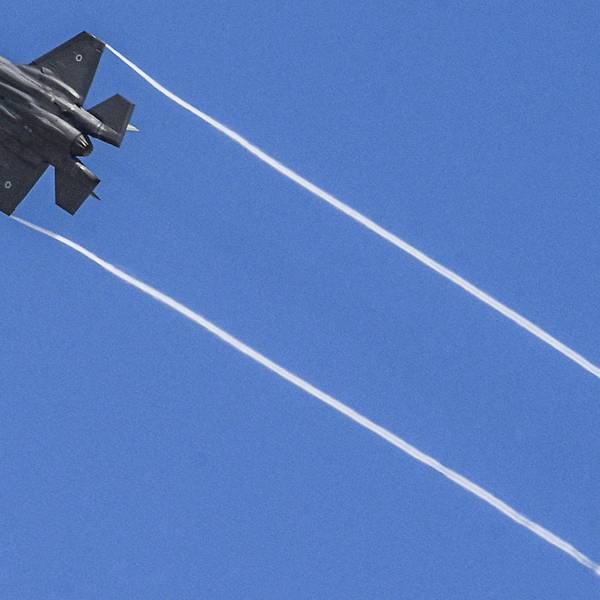
At $40 billion, the U.S. signed more than half of all arms agreements last year, and more than double the next-highest seller, which was France at $15 billion. American weapons sales included bombs, missiles, armored tanks, Apache attack helicopters, F-15 fighter jets, and other items.
The report (pdf) was published by the Congressional Research Service, which conducts national policy analysis for Congress. It looked at conventional arms transfers to developing nations from 2008 to 2015.
Russia sold $11.1 billion, a slight drop from its 2014 count at $11.2 billion. China sold $6 billion, doubling its output from last year.
The leading buyers, meanwhile, were Qatar, which signed deals to purchase more than $17 billion; Egypt, which signed on for $12 billion; and Saudi Arabia, which purchased more than $8 billion.
Many of those weapons have gone to aid the Saudi-led, U.S.-supported coalition fighting rebels in Yemen at a high civilian price. As anti-war activist and Common Dreams contributor Medea Benjamin wrote in August, "American weapons are drenched in Yemeni blood."
2015 also marks the eighth year in a row that the U.S. has led the world in global arms deliveries, even as many other countries cut back on their arms spending over "domestic budget" concerns, as study author Catherine A. Theohary put it.
The Guardian noted on Tuesday that the findings comport with another recent study that found the Obama administration had approved more than $278 billion in eight years, more than double that of the Bush administration, which sold $128.6 billion.
The U.S. sold more weapons than any other country in 2015 despite a drop in the global arms trade, according to a new congressional report.
At $40 billion, the U.S. signed more than half of all arms agreements last year, and more than double the next-highest seller, which was France at $15 billion. American weapons sales included bombs, missiles, armored tanks, Apache attack helicopters, F-15 fighter jets, and other items.
The report (pdf) was published by the Congressional Research Service, which conducts national policy analysis for Congress. It looked at conventional arms transfers to developing nations from 2008 to 2015.
Russia sold $11.1 billion, a slight drop from its 2014 count at $11.2 billion. China sold $6 billion, doubling its output from last year.
The leading buyers, meanwhile, were Qatar, which signed deals to purchase more than $17 billion; Egypt, which signed on for $12 billion; and Saudi Arabia, which purchased more than $8 billion.
Many of those weapons have gone to aid the Saudi-led, U.S.-supported coalition fighting rebels in Yemen at a high civilian price. As anti-war activist and Common Dreams contributor Medea Benjamin wrote in August, "American weapons are drenched in Yemeni blood."
2015 also marks the eighth year in a row that the U.S. has led the world in global arms deliveries, even as many other countries cut back on their arms spending over "domestic budget" concerns, as study author Catherine A. Theohary put it.
The Guardian noted on Tuesday that the findings comport with another recent study that found the Obama administration had approved more than $278 billion in eight years, more than double that of the Bush administration, which sold $128.6 billion.
The U.S. sold more weapons than any other country in 2015 despite a drop in the global arms trade, according to a new congressional report.
At $40 billion, the U.S. signed more than half of all arms agreements last year, and more than double the next-highest seller, which was France at $15 billion. American weapons sales included bombs, missiles, armored tanks, Apache attack helicopters, F-15 fighter jets, and other items.
The report (pdf) was published by the Congressional Research Service, which conducts national policy analysis for Congress. It looked at conventional arms transfers to developing nations from 2008 to 2015.
Russia sold $11.1 billion, a slight drop from its 2014 count at $11.2 billion. China sold $6 billion, doubling its output from last year.
The leading buyers, meanwhile, were Qatar, which signed deals to purchase more than $17 billion; Egypt, which signed on for $12 billion; and Saudi Arabia, which purchased more than $8 billion.
Many of those weapons have gone to aid the Saudi-led, U.S.-supported coalition fighting rebels in Yemen at a high civilian price. As anti-war activist and Common Dreams contributor Medea Benjamin wrote in August, "American weapons are drenched in Yemeni blood."
2015 also marks the eighth year in a row that the U.S. has led the world in global arms deliveries, even as many other countries cut back on their arms spending over "domestic budget" concerns, as study author Catherine A. Theohary put it.
The Guardian noted on Tuesday that the findings comport with another recent study that found the Obama administration had approved more than $278 billion in eight years, more than double that of the Bush administration, which sold $128.6 billion.