SUBSCRIBE TO OUR FREE NEWSLETTER
Daily news & progressive opinion—funded by the people, not the corporations—delivered straight to your inbox.
5
#000000
#FFFFFF
To donate by check, phone, or other method, see our More Ways to Give page.
Daily news & progressive opinion—funded by the people, not the corporations—delivered straight to your inbox.
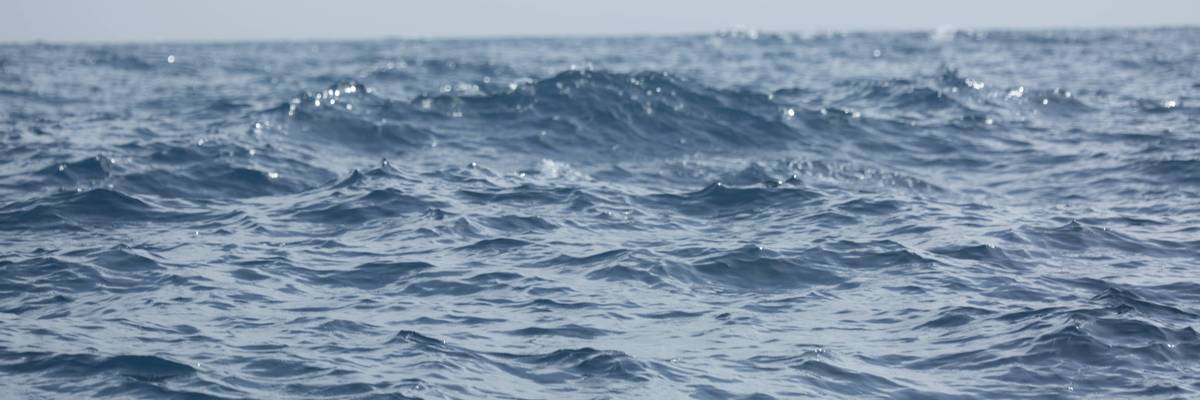
Gentle waves are seen in the Atlantic Ocean near Spain on March 28, 2026.
"We must avoid this collapse at all costs," said a leading current researcher, who warned that "the stability of the entire planet" is at stake.
The global climate crisis is causing a critical Atlantic Ocean current system to weaken much sooner than previously predicted, according to a study published on Thursday. If it stops, scientists say it could pose catastrophic consequences for Europe, Africa, and the Americas.
The Atlantic Meridional Overturning Circulation (AMOC) is one of the most important current systems in the world for maintaining the delicate balance of the global climate. It helps to keep colder regions like Europe and the Arctic mild by moving warm water northward and pushes large amounts of carbon deep into the ocean, keeping it out of the atmosphere.
Scientists have feared AMOC's decline for some time. Previous studies have shown it to be at its weakest point in 1,600 years. But research published this month suggests that a collapse may come much sooner than anticipated.
One study, published Thursday in the journal Science Advances, used climate models and current data to predict the decline in the coming decades.
Researchers found that the system is on course to slow by more than 50% by the end of the century and could pass a significant tipping point by mid-century, at which point its decline would become irreversible.
"We found that the AMOC is declining faster than predicted by the average of all climate models," said lead researcher Valentin Portmann, of the Inria Research Center of Bordeaux South-West. "This means we are closer to a tipping point than previously thought.”
A major driver of its slowdown has been the rapid melting of Greenland's freshwater ice sheet into the Atlantic, which has diluted denser saltwater, making it harder to transfer northward.
He explained: “The more rapidly Greenland melts, the more freshwater floods the North Atlantic. This disrupts the sinking process, effectively applying the brakes to the entire system.”
This research followed another study published last week by scientists at the University of Miami, which found that AMOC has been weakening at four latitudes in the Atlantic.
Professor Stefan Rahmstorf, a leading AMOC researcher at the Potsdam Institute for Climate Impact Research, who was not involved in either study, called it "an important and deeply concerning result" that "confirms that the ‘pessimistic’ climate models—those projecting a severe weakening of the AMOC by 2100—are the most accurate."
"The most dramatic and drastic climate changes we see in the last 100,000 years of Earth history have been when the AMOC switched to a different state," Rahmstorf explained.
A shutdown of the current system poses what Canadian climate activist and marine conservationist Paul Watson described as a "domino effect of climatic upheavals."
Scientists have projected that temperatures in northern Europe could plummet dramatically, with winters in London sometimes reaching below -20°C (-4°F) and those in Norway reaching -48°C (-54°F). It also threatens to dramatically shorten growing seasons, putting food security in peril for hundreds of millions of people.
Tropical storms in the North Atlantic would also become more severe. As the current slows, sea levels are expected to rise, and the greater temperature difference between cooling Europe and the warming tropics can fuel more intense hurricanes and increase the risk of flooding in major coastal cities.
"We must avoid this collapse at all costs," Rahmstorf said. "The stakes are too high; this isn’t just about Europe’s climate, but the stability of the entire planet."
Such a dramatic change in the flow of global heat could scramble temperature and rainfall patterns worldwide, putting some areas at greater risk of drought and disrupting the monsoon season that fuels agriculture in many regions.
It also risks becoming self-perpetuating, as the large amounts of carbon released from the ocean could further accelerate AMOC's collapse. Research published last week found that carbon emissions from the Southern Ocean alone could increase global temperature by about 0.2°C.
"The science is clear: The AMOC is teetering on the edge of collapse, and the window to act is closing," Watson said. "Yet global leaders remain paralyzed by short-term politics and denial."
The conclusion of the most recent United Nations climate summit, COP30, has been described as woefully insufficient to address the mounting climate emergency. The roadmap for action released by the host nation, Brazil, excluded any mention of the phrase "fossil fuels" after the conference was overrun by industry lobbyists.
"The time for half-measures is over," Watson said. "The choices we make in the next decade will determine whether future generations inherit a manageable climate or a world plunged into chaos."
Dear Common Dreams reader, It’s been nearly 30 years since I co-founded Common Dreams with my late wife, Lina Newhouser. We had the radical notion that journalism should serve the public good, not corporate profits. It was clear to us from the outset what it would take to build such a project. No paid advertisements. No corporate sponsors. No millionaire publisher telling us what to think or do. Many people said we wouldn't last a year, but we proved those doubters wrong. Together with a tremendous team of journalists and dedicated staff, we built an independent media outlet free from the constraints of profits and corporate control. Our mission has always been simple: To inform. To inspire. To ignite change for the common good. Building Common Dreams was not easy. Our survival was never guaranteed. When you take on the most powerful forces—Wall Street greed, fossil fuel industry destruction, Big Tech lobbyists, and uber-rich oligarchs who have spent billions upon billions rigging the economy and democracy in their favor—the only bulwark you have is supporters who believe in your work. But here’s the urgent message from me today. It's never been this bad out there. And it's never been this hard to keep us going. At the very moment Common Dreams is most needed, the threats we face are intensifying. We need your support now more than ever. We don't accept corporate advertising and never will. We don't have a paywall because we don't think people should be blocked from critical news based on their ability to pay. Everything we do is funded by the donations of readers like you. When everyone does the little they can afford, we are strong. But if that support retreats or dries up, so do we. Will you donate now to make sure Common Dreams not only survives but thrives? —Craig Brown, Co-founder |
The global climate crisis is causing a critical Atlantic Ocean current system to weaken much sooner than previously predicted, according to a study published on Thursday. If it stops, scientists say it could pose catastrophic consequences for Europe, Africa, and the Americas.
The Atlantic Meridional Overturning Circulation (AMOC) is one of the most important current systems in the world for maintaining the delicate balance of the global climate. It helps to keep colder regions like Europe and the Arctic mild by moving warm water northward and pushes large amounts of carbon deep into the ocean, keeping it out of the atmosphere.
Scientists have feared AMOC's decline for some time. Previous studies have shown it to be at its weakest point in 1,600 years. But research published this month suggests that a collapse may come much sooner than anticipated.
One study, published Thursday in the journal Science Advances, used climate models and current data to predict the decline in the coming decades.
Researchers found that the system is on course to slow by more than 50% by the end of the century and could pass a significant tipping point by mid-century, at which point its decline would become irreversible.
"We found that the AMOC is declining faster than predicted by the average of all climate models," said lead researcher Valentin Portmann, of the Inria Research Center of Bordeaux South-West. "This means we are closer to a tipping point than previously thought.”
A major driver of its slowdown has been the rapid melting of Greenland's freshwater ice sheet into the Atlantic, which has diluted denser saltwater, making it harder to transfer northward.
He explained: “The more rapidly Greenland melts, the more freshwater floods the North Atlantic. This disrupts the sinking process, effectively applying the brakes to the entire system.”
This research followed another study published last week by scientists at the University of Miami, which found that AMOC has been weakening at four latitudes in the Atlantic.
Professor Stefan Rahmstorf, a leading AMOC researcher at the Potsdam Institute for Climate Impact Research, who was not involved in either study, called it "an important and deeply concerning result" that "confirms that the ‘pessimistic’ climate models—those projecting a severe weakening of the AMOC by 2100—are the most accurate."
"The most dramatic and drastic climate changes we see in the last 100,000 years of Earth history have been when the AMOC switched to a different state," Rahmstorf explained.
A shutdown of the current system poses what Canadian climate activist and marine conservationist Paul Watson described as a "domino effect of climatic upheavals."
Scientists have projected that temperatures in northern Europe could plummet dramatically, with winters in London sometimes reaching below -20°C (-4°F) and those in Norway reaching -48°C (-54°F). It also threatens to dramatically shorten growing seasons, putting food security in peril for hundreds of millions of people.
Tropical storms in the North Atlantic would also become more severe. As the current slows, sea levels are expected to rise, and the greater temperature difference between cooling Europe and the warming tropics can fuel more intense hurricanes and increase the risk of flooding in major coastal cities.
"We must avoid this collapse at all costs," Rahmstorf said. "The stakes are too high; this isn’t just about Europe’s climate, but the stability of the entire planet."
Such a dramatic change in the flow of global heat could scramble temperature and rainfall patterns worldwide, putting some areas at greater risk of drought and disrupting the monsoon season that fuels agriculture in many regions.
It also risks becoming self-perpetuating, as the large amounts of carbon released from the ocean could further accelerate AMOC's collapse. Research published last week found that carbon emissions from the Southern Ocean alone could increase global temperature by about 0.2°C.
"The science is clear: The AMOC is teetering on the edge of collapse, and the window to act is closing," Watson said. "Yet global leaders remain paralyzed by short-term politics and denial."
The conclusion of the most recent United Nations climate summit, COP30, has been described as woefully insufficient to address the mounting climate emergency. The roadmap for action released by the host nation, Brazil, excluded any mention of the phrase "fossil fuels" after the conference was overrun by industry lobbyists.
"The time for half-measures is over," Watson said. "The choices we make in the next decade will determine whether future generations inherit a manageable climate or a world plunged into chaos."
The global climate crisis is causing a critical Atlantic Ocean current system to weaken much sooner than previously predicted, according to a study published on Thursday. If it stops, scientists say it could pose catastrophic consequences for Europe, Africa, and the Americas.
The Atlantic Meridional Overturning Circulation (AMOC) is one of the most important current systems in the world for maintaining the delicate balance of the global climate. It helps to keep colder regions like Europe and the Arctic mild by moving warm water northward and pushes large amounts of carbon deep into the ocean, keeping it out of the atmosphere.
Scientists have feared AMOC's decline for some time. Previous studies have shown it to be at its weakest point in 1,600 years. But research published this month suggests that a collapse may come much sooner than anticipated.
One study, published Thursday in the journal Science Advances, used climate models and current data to predict the decline in the coming decades.
Researchers found that the system is on course to slow by more than 50% by the end of the century and could pass a significant tipping point by mid-century, at which point its decline would become irreversible.
"We found that the AMOC is declining faster than predicted by the average of all climate models," said lead researcher Valentin Portmann, of the Inria Research Center of Bordeaux South-West. "This means we are closer to a tipping point than previously thought.”
A major driver of its slowdown has been the rapid melting of Greenland's freshwater ice sheet into the Atlantic, which has diluted denser saltwater, making it harder to transfer northward.
He explained: “The more rapidly Greenland melts, the more freshwater floods the North Atlantic. This disrupts the sinking process, effectively applying the brakes to the entire system.”
This research followed another study published last week by scientists at the University of Miami, which found that AMOC has been weakening at four latitudes in the Atlantic.
Professor Stefan Rahmstorf, a leading AMOC researcher at the Potsdam Institute for Climate Impact Research, who was not involved in either study, called it "an important and deeply concerning result" that "confirms that the ‘pessimistic’ climate models—those projecting a severe weakening of the AMOC by 2100—are the most accurate."
"The most dramatic and drastic climate changes we see in the last 100,000 years of Earth history have been when the AMOC switched to a different state," Rahmstorf explained.
A shutdown of the current system poses what Canadian climate activist and marine conservationist Paul Watson described as a "domino effect of climatic upheavals."
Scientists have projected that temperatures in northern Europe could plummet dramatically, with winters in London sometimes reaching below -20°C (-4°F) and those in Norway reaching -48°C (-54°F). It also threatens to dramatically shorten growing seasons, putting food security in peril for hundreds of millions of people.
Tropical storms in the North Atlantic would also become more severe. As the current slows, sea levels are expected to rise, and the greater temperature difference between cooling Europe and the warming tropics can fuel more intense hurricanes and increase the risk of flooding in major coastal cities.
"We must avoid this collapse at all costs," Rahmstorf said. "The stakes are too high; this isn’t just about Europe’s climate, but the stability of the entire planet."
Such a dramatic change in the flow of global heat could scramble temperature and rainfall patterns worldwide, putting some areas at greater risk of drought and disrupting the monsoon season that fuels agriculture in many regions.
It also risks becoming self-perpetuating, as the large amounts of carbon released from the ocean could further accelerate AMOC's collapse. Research published last week found that carbon emissions from the Southern Ocean alone could increase global temperature by about 0.2°C.
"The science is clear: The AMOC is teetering on the edge of collapse, and the window to act is closing," Watson said. "Yet global leaders remain paralyzed by short-term politics and denial."
The conclusion of the most recent United Nations climate summit, COP30, has been described as woefully insufficient to address the mounting climate emergency. The roadmap for action released by the host nation, Brazil, excluded any mention of the phrase "fossil fuels" after the conference was overrun by industry lobbyists.
"The time for half-measures is over," Watson said. "The choices we make in the next decade will determine whether future generations inherit a manageable climate or a world plunged into chaos."