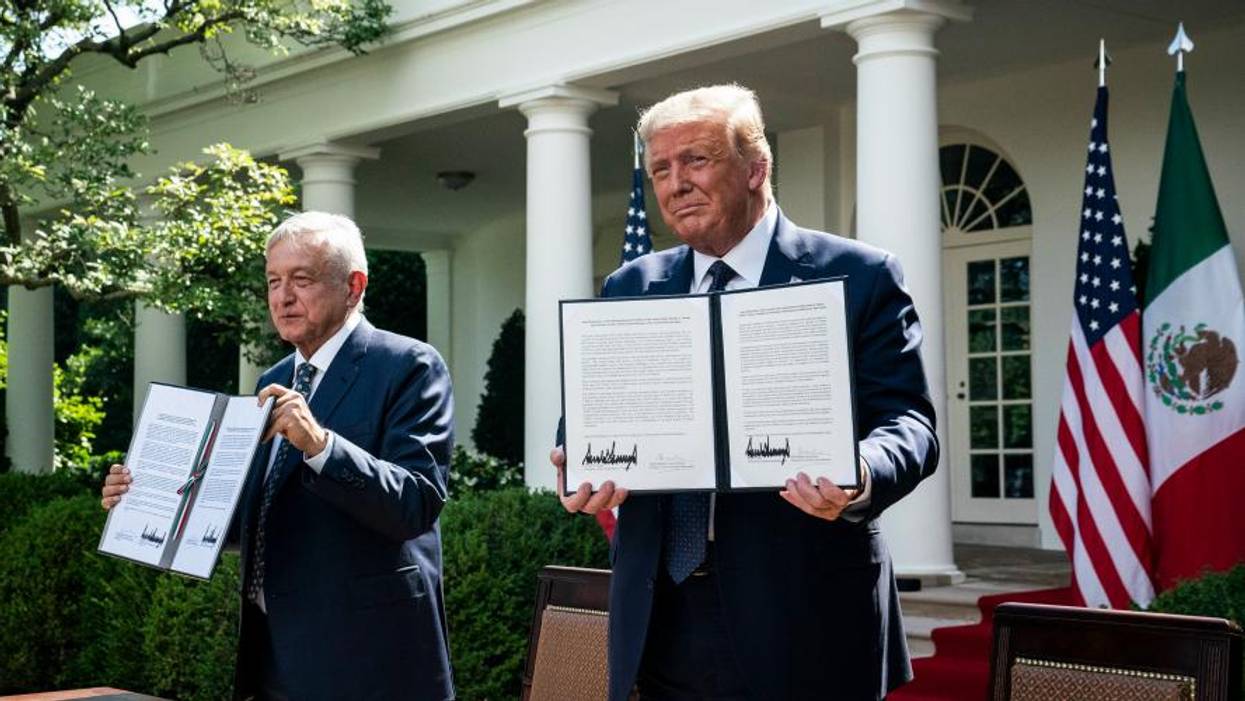
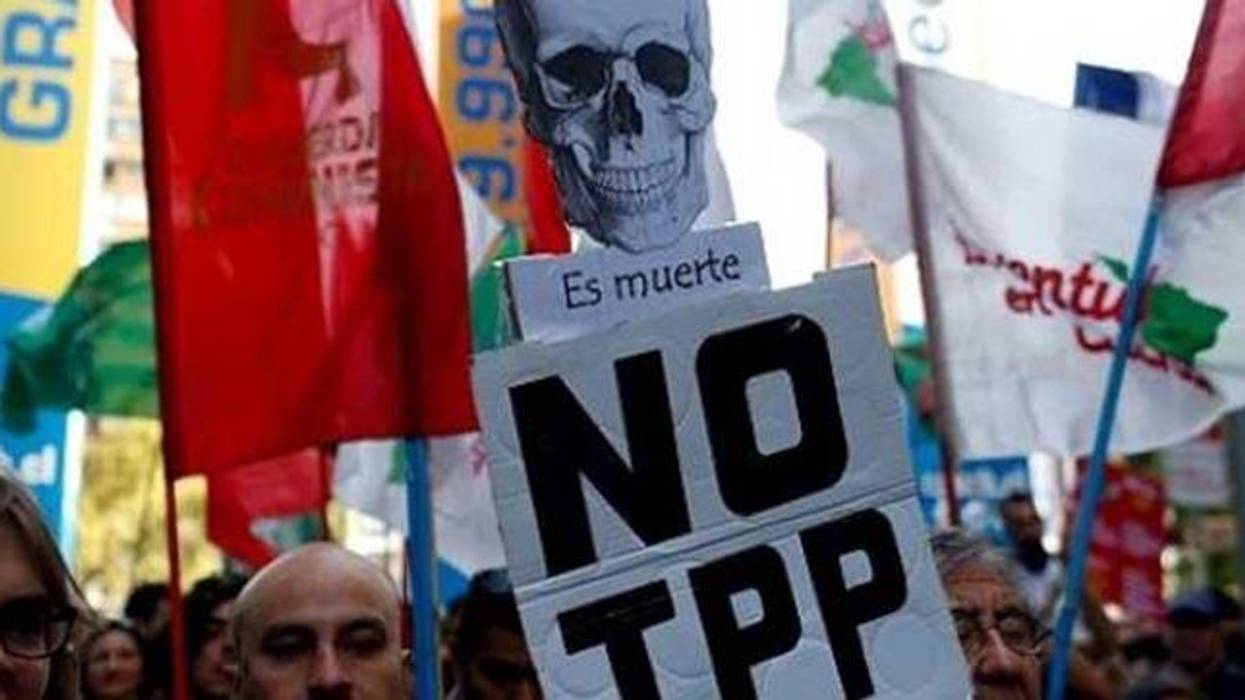
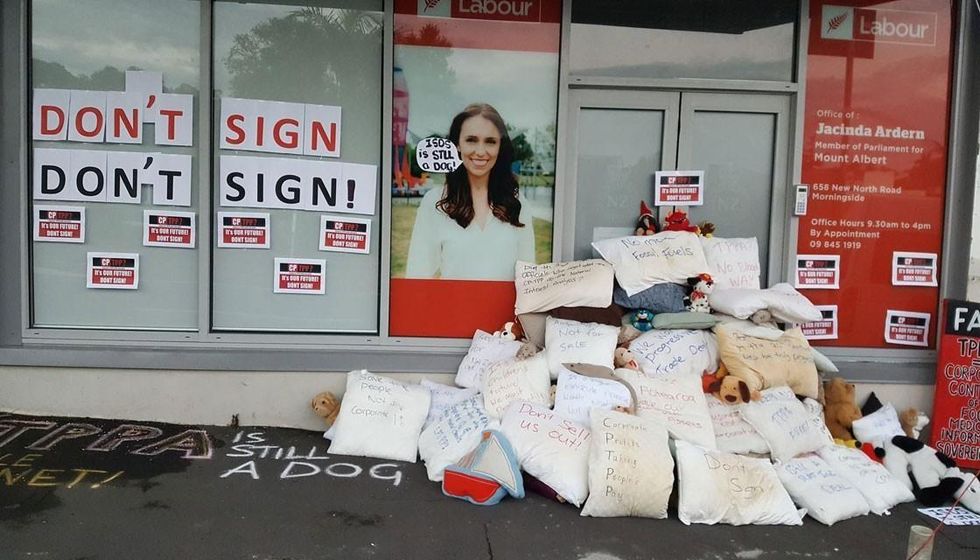
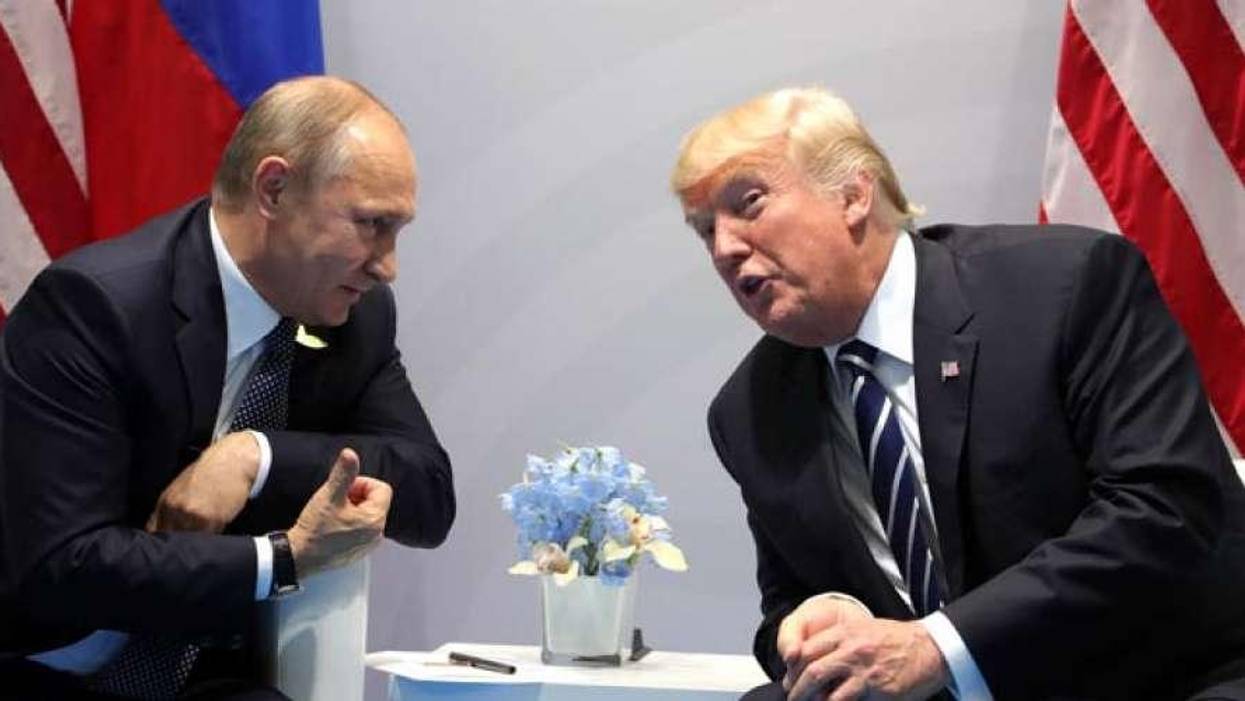
Back in January, one of Donald Trump's first actions as president was to pull the US out of the Trans-Pacific Partnership (TTP), a multi-country trade deal that would have ramped up commerce with Asian countries -- and opened Japan to a flood of US beef.
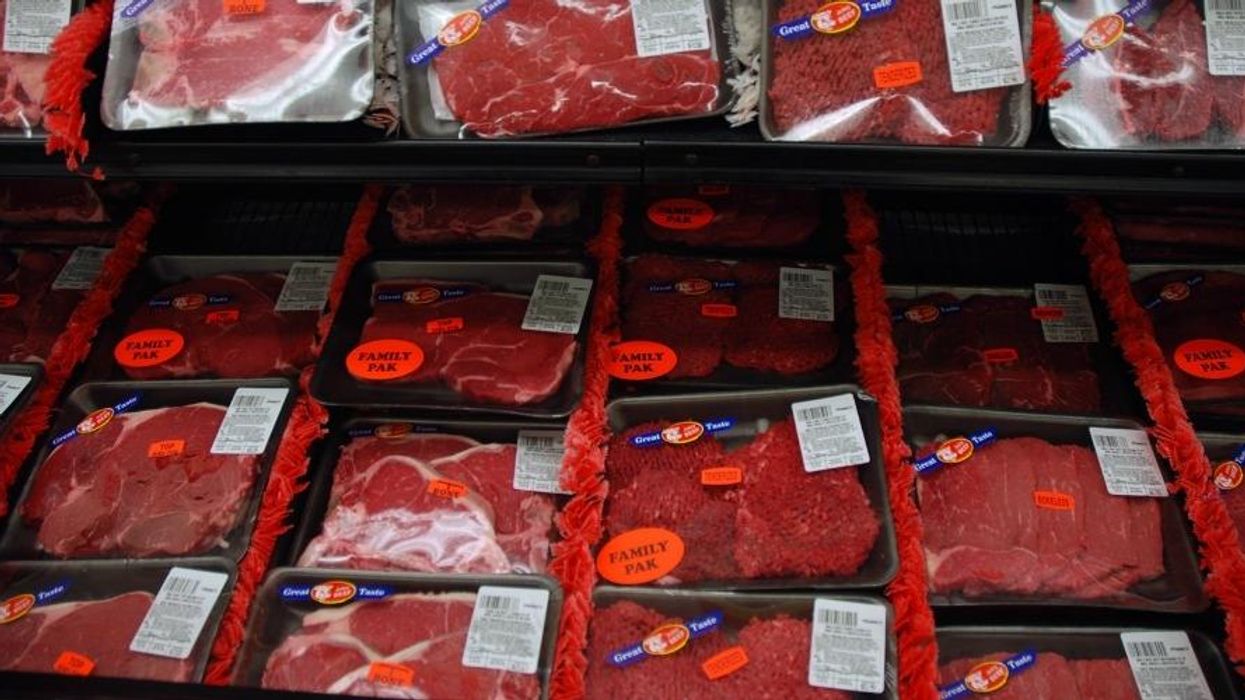
But Trump's move slammed the door on the US beef industry's designs for the lucrative Japanese market, the top export market for American ranchers, thanks partly to dishes like gyudon.
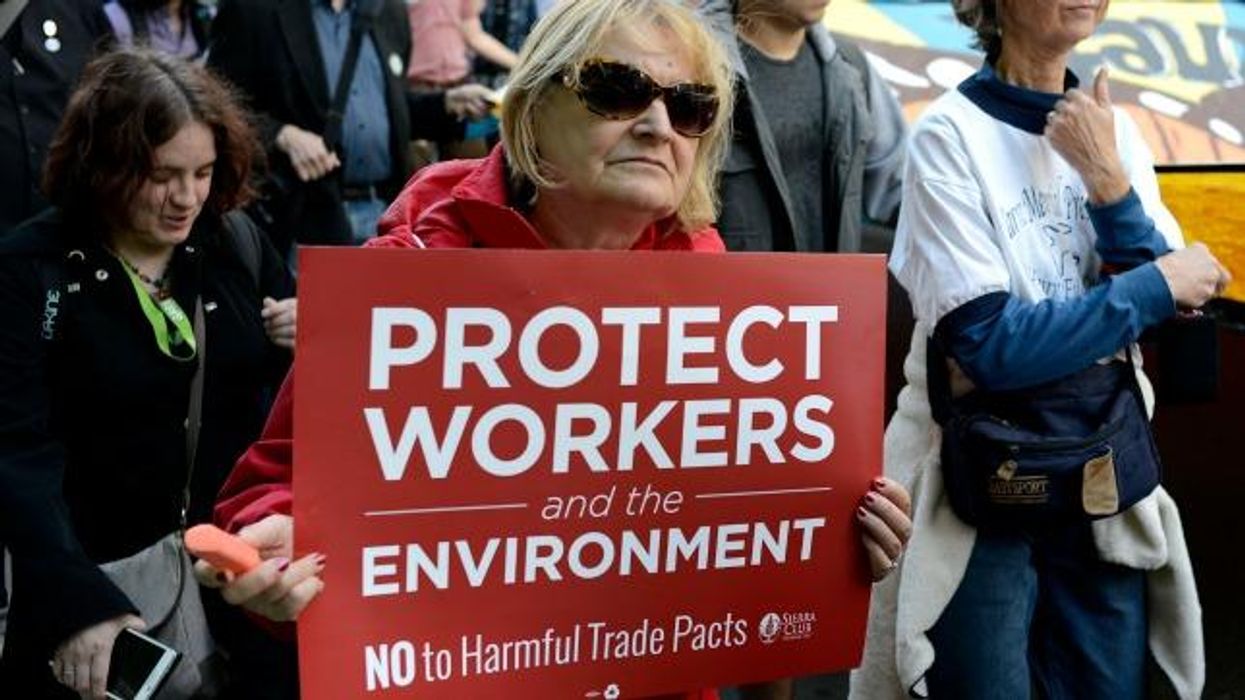
What lies ahead for the industry now that TPP is off the table is unclear. But no matter what transpires, environmentalists fear for the planet's future if trade deals like TPP don't start taking climate change into account, instead of encouraging more consumption, production and harm to the Earth.
Japan is hooked on beef
Japan wasn't always sold on red meat, or any meat at all. But today, you need only look at how beef-bowl outlets have conquered Asian city streets to see how that has changed. Yoshinoya, the Japanese fast-food chain, can now be found in US cities. The company only uses US beef, and this allegiance is so strong that the Yoshinoya beef bowl became a pork bowl in 2003 when Japan banned US beef imports for 20 months over fears of foot-and-mouth disease.
Japan's demand for beef doesn't look like it will slow down any time soon. Its government is looking to attract 40 million tourists every year by 2020, when it hosts the Olympics, and with tourists come a whole lot of mouths to feed. "It's pretty exciting," Philip Seng, CEO of the US Meat Exporters Federation, says. "If you have that many tourists, they're going to want to eat... We see that consumption is going to increase for the foreseeable future in Japan."
The same beef boom is playing out across Asia, with increasing wealth and disposable income driving demand in previously meat-light countries. In South Korea, a new appetite for craft burgers is just the tip of a beefy iceberg: in 2007, the US exported 25,000 tons of beef to South Korea; last year that figure reached nearly 180,000 tons.
The Chinese beef market is expected to grow by as much as 20 percent between 2017 and 2025, and is part of a wider trend toward meat eating; in 1982 the average Chinese person ate around 13 kilograms (28.6 pounds) of meat per year, and today it's around 63 kilograms (138.8 pounds). McDonald's plans to open 2,000 more restaurants across the country by 2025 -- signs that beef consumption is only going to grow.
Asia is clearly fertile ground for those looking to plunge deeper into the market.
What's the beef with beef?
While all of that growth may be good for the market and profits, beef continues to be the most climate change-intensive foodstuff in the American diet, says Sajatha Bergen, policy specialist in the Food and Agriculture Program at the National Resource Defense Council. And with the beef habit now catching on across Southeast Asia, that problem is only deepening.
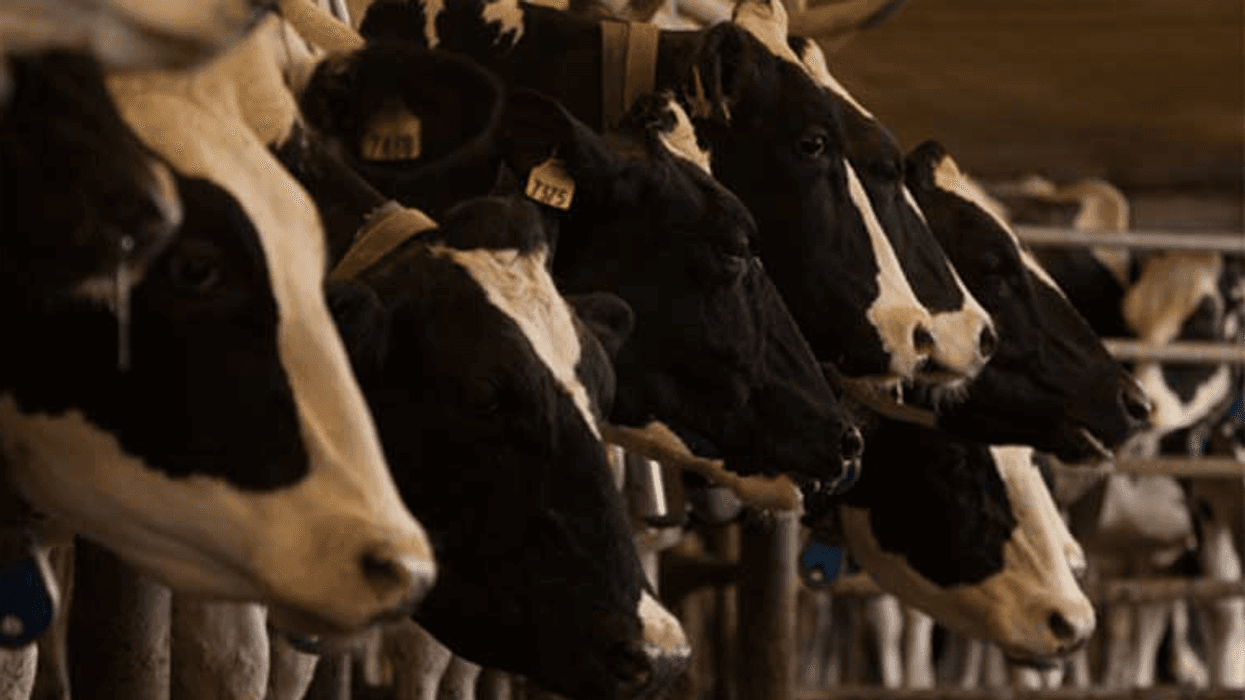
But defining the range of that problem is tricky. US beef industry carbon dioxide "emissions are actually coming from a few different places," Bergen says. In the industrial production model, grain is grown to feed cattle, using chemical pesticides and fertilizers, and that requires a lot of fossil fuels. Next, the cow's digestive system turns some of what it eats into methane -- over 20 times more potent a greenhouse gas than CO2, according to scientists. And finally, cow manure is either spread or stored in lagoons, and that can produce additional methane emissions. Taking all this into account, Bergen believes that it's not unfair to describe cows as "mini-greenhouse gas factories."
Renee Vellve, a researcher at GRAIN, an international NGO, believes that we have to expand our vision to include the entire industrialized food system in order to get a true sense of just how staggeringly costly beef, and agriculture in general, is to the environment. She notes that, in addition to the obvious impacts, meat must also be packaged, refrigerated all along the supply chain, transported -- usually over long distances -- and stored in supermarket and home refrigerators.
Every step contributes to climate change, says Vellve, from fertilizing seedling crops all the way to your dinner plate. Thinking about the "food system at large," not just how the food is produced, is essential, she says: "If you isolate agriculture it's not enough."
Research by GRAIN in 2014 found that when using this comprehensive approach, our food system accounts for roughly half of all greenhouse gas emissions -- with much of that meat-related. In the US, the EPA currently estimates that agriculture contributes around 9 percent of total greenhouse gas emissions; of that, livestock takes up around 5 percent.
For Gidon Eshel, research professor of environmental physics at Bard College, New York, the direct climate impact of beef production isn't the worst of it. "Beef is responsible for the lion's share of land use [in the US]," he says. And by overusing fertilizers the industry is also responsible for the release of massive amounts of reactive nitrogen into water supplies, which can undermine water quality in lakes, rivers and estuaries. By spurring algae growth, which can in turn lower oxygen levels when bacteria feed on it, the release of nitrogen can suffocate bodies of water, creating so-called dead zones. Just this year the largest dead zone ever recorded hit the Gulf of Mexico -- a calamity tied to meat production.
The source of all this harm can be found in the industrial model of agriculture, says Ben Lilliston, director of corporate strategies and climate change at the Institute for Agricultural Trade Policy. "In many ways, it's been fairly disastrous for the environment."
The industrial system, he explains, is based on producing far more product than is needed and then exporting that product around the globe - an incredibly inefficient system. It has, however, created a global market for really cheap meat, while externalizing all the environmental costs of production to nation states and communities, Lilliston said. "Of course, we've expanded that model around the world to other countries."
Bergen agrees: "Even if we export the beef, we still keep the water pollution, the air pollution... is it really fair for US communities to bear the brunt of environmental damage?"
Enter TPP, or exit it
The Trans-Pacific Partnership, from which Trump withdrew the US after taking office, would have offered another boost for the industrial agriculture model, Lilliston said. The negotiations, which were highly influenced and dominated by big business, "facilitated a fairly serious expansion of this industrial model of agriculture where you produce way more than you need."
And that is to be expected. For decades trade deals have been designed to benefit business and make goods flow more smoothly between countries in order to open up new markets. To do this, the deals reduce tariffs (designed to protect local industries) and remove or weaken trade-limiting regulations, including public health and environmental standards.
What was really at stake for the US beef industry with TPP was deep access to Japan.
Japan used to be a "controlled market," says Seng, one that always looked after its domestic production first, at the expense of imports. That's why it's been a tough nut to crack for beef exporters like those in the US. But over time exporters have penetrated the market, to the point that today about 60 percent of Japan's beef is imported. In 2015, Japan imported nearly 500,000 tons of beef, around 200,000 tons of it from the US.
TPP would have progressively whittled tariffs on frozen beef from 38.5 percent down to 9 percent by 2032 -- a boon for the US. A report released by the US International Trade Commission prior to Trump's decision to pull out of TPP estimated the value of beef exports to be worth $876 million per year by the end of the 16-year tariff reduction period.
Trump's actions represent a "clear loss" to the industry, according to Andrew Muhammad, associate director of the USDA's Economic Research Service Market and Economics Division.
KORUS, a free-trade agreement between the US and South Korea that was signed in 2012 (which included tariff reductions and the removal of "government-imposed obstacles" to trade, according to the National Cattlemen's Beef Association) resulted in a 42 percent jump in US beef exports over a five-year period there, and an 82 percent rise in annual sales.
So it's easy to see why Trump's TPP decision wasn't popular with the US agricultural sector. With his thumbs down, expanded access to the Japanese market was put out of reach for US beef exporters.
The problem for the American cattlemen and beef processors didn't end there. Now Australia has managed to negotiate a bilateral trade agreement with Japan, gaining improved market access, while US beef still is at the mercy of high Japanese tariffs. In August, the tariffs on frozen beef from countries without economic partnership agreements with Japan were raised from 38.5 percent to 50 percent, an increase triggered by a built-in emergency system to guard against spikes in imports.
That's why the US beef industry is now desperate to thrash out a trade deal with the Japanese. "Our organization, NCBA [National Cattlemen's Beef Association], will work with [the Trump] administration on bilateral trade deals, if that's the way to go," NCBA president Craig Uden told agriculture.com. "We know that our trade partners want our product, and if we don't fill the demand, someone else will."
However, speaking from 45 years of experience working with the Japanese, Seng says it will be very difficult to get a bilateral deal that comes close to the benefits TPP would have provided. He explains that there was a "tremendous amount of political capital put on the table" by the Japanese to come down to 9 percent. This included overcoming the doubts of their own agricultural sector who feared an influx of cheap beef would damage their own market share. From Seng's viewpoint, the objective now is to figure out a way to get back into TPP.
In November, the remaining 11 member nations committed to the TPP agreement are due to restart negotiations and plow ahead without the United States. But it looks as if TPP-11, as it has been dubbed, could be tweaked only slightly to encourage the US to enter later.
Vellve isn't ruling this out. She believes that in the next three or four years the US could well join the TPP, with or without Trump in office, as the business voices calling for it are influential: "The [beef] industry is pushing very hard and is very creative at getting what it wants."
Lilliston, of the Institute for Agricultural Trade Policy, echoes this and says that TPP saw beef-producing multinational corporations, like Cargill, JBS and others, come together to form a "beef alliance" and push their agenda. "They are real forces in these trade negotiations and it's not the same as seeing things through a national agenda."
Climate change, meet trade; trade, meet climate change
But even as TPP moves forward, with or without the US, another important constituency has not been invited to the negotiating table: Nature, and the NGOs and national environmental agencies that represent her.
In a 2009 report, the World Trade Organization and the United Nations Environmental Programme said free trade agreements (FTAs) "most likely" lead to increased CO2emissions.
The "trading regime in general, and the United States led [FTAs]... are in tension with the policies for aggressive climate action," Kevin Gallagher wrote in "Trade in the Balance: Reconciling Trade Policy and Climate Change," a report released in 2016 by Boston University.
"Trade is intrinsic to the success and robustness of the industrial system" of food production, Vellve says. But trade agreements "very much drive climate change coming from the food system, insofar as the [deals] create demand for cheap commodities," she explains. For instance, an influx of cheap American beef has made it possible for gyudon chain stores like Yoshinoya to offer their beef bowls to Japanese consumers for around $3 a pop, in the same way that cheap beef has allowed McDonald's to sell its Big Macs for $4.79 in the States.
Those low prices create more consumption, demanding higher industrial production, with bigger environmental costs. But nowhere in the industrial food chain, or in global trade treaties, are allowances made for the mounting environmental harm. This is a dangerous blind spot that, ignored for long enough, is going to bite back with increased climate and weather instability, more severe heatwaves, droughts and hurricanes, rising sea levels and increased ocean acidity -- all of which will directly impact food security.
Vellve argues that to reach our climate goals, countries will need to overhaul the way our food is grown. To do so, we'll need to get rid of large-scale monocrop cultivation, big plantations and the current model of big trade.
"That's a huge shift," she acknowledges.
Vellve points to other systems of agriculture as models, like small-scale farming, that could replace industrial-sized Concentrated Animal Feeding Operations (CAFOs). This "small is better" approach would not only be less harmful from an environmental point of view, but could also be beneficial for farmers, cheaper to run and involve less labor in some cases.
But bridging the disconnect between an agribusiness industry focused on profit, global trade agreements that primarily serve business, and escalating climate change impacts, certainly won't be easy. A mention of climate change didn't even appear in the final TPP draft agreement, at the behest of Washington, despite it appearing in some initial drafts. The Paris Agreement also didn't acknowledge TPP, or any other trade deals for that matter.
"By having an [industrialized food economy] like the US - one of the biggest [carbon] polluters - say we don't care about the Paris Agreement - we're going to negotiate trade agreements as if climate change doesn't exist - that's very problematic," Lilliston says. The issue is being discussed in places like the WTO, he adds, but those people who matter, the trade negotiators, are proceeding as in the past, and acting as if environmental concerns didn't exist.
As it stands, he says, strict trade rules furnish global markets with cheap goods that can price out local producers, and those treaties deregulate in a way that almost always favors industrial farming, making it impossible for smaller-scale operations to compete.
Lilliston argues that unless we change trade agreements to nurture local and sustainable food producers, allowing them to grow and participate on a level playing field in global markets, or at least put climate-friendly policies in place, we'll soon be in a tough spot economically and environmentally.
Take drought, for example: it has deepened significantly over the US Midwest and West in recent decades, and severely impacted cattle herds and curtailed industry profits. And severe drought, like that seen in 2012, is projected to only worsen in future years as climate change escalates, further affecting the beef industry.
The good news: moves are being made by the beef sector to encourage sustainability, cut waste and decrease its climate impact. Seng at USMEF says that the beef industry is "working tenaciously to reduce any kind of greenhouse gases." Jude Capper, an agricultural sustainability consultant, suggests the US beef industry has already made advances along this road in past decades: "US beef is considerably more productive and has a lower carbon footprint per unit than in many less efficient countries," she says.
But others, like Vellve, question whether these baby steps will be nearly enough. She acknowledges the efforts of the industry, but describes that work as little more than "eye shadow".
"It's not going to get us where we need to [go, to] stay within the [emissions] targets that were set at the Paris Agreement," she says.
NRDC's Bergen agrees. There are a lot of ways to cut the environmental costs of beef production, but the rapidly rising demand for beef worldwide will negate any positive effects: "Ultimately we need to reduce the amount of beef we eat."
The decision by Donald Trump to back out of TPP has halted, at least for now, the beef industry's drive to gain Japanese market share. But what is truly needed now is not the same old type of treaty, but a new deal -- a TPP that acknowledges and addresses the deep links between industrial food production and climate change.
With the US now out of TPP, will the other 11 countries work climate change back into the agreement? It's possible, and would be a big step forward, says Lilliston, but only on one big condition: "If TPP was to include climate considerations, how does the enforcement work on that?"
It's pretty simple what needs to be done, Lilliston concludes: Future trade deals in the US, and around the world, must explicitly assure that trade and profit do not override climate policy: "That's a fairly radical idea and would be a major change in trade agreements," he says. "But at some point we are going to have to make that decision."