SUBSCRIBE TO OUR FREE NEWSLETTER
Daily news & progressive opinion—funded by the people, not the corporations—delivered straight to your inbox.
5
#000000
#FFFFFF
To donate by check, phone, or other method, see our More Ways to Give page.
Across the country, cash-strapped cities and counties are throwing poor defendants in jail for failing to pay legal debts that they can never hope to manage. On Monday, the New York Times told the story of Gina Ray, whose $179 speeding ticket mushroomed into $3,170 in fines and fees and 40 days in jail when she couldn't afford to pay it. Gina is one of many swept up in America's new debtors' prisons, a growing problem nationwide.
Across the country, cash-strapped cities and counties are throwing poor defendants in jail for failing to pay legal debts that they can never hope to manage. On Monday, the New York Times told the story of Gina Ray, whose $179 speeding ticket mushroomed into $3,170 in fines and fees and 40 days in jail when she couldn't afford to pay it. Gina is one of many swept up in America's new debtors' prisons, a growing problem nationwide.
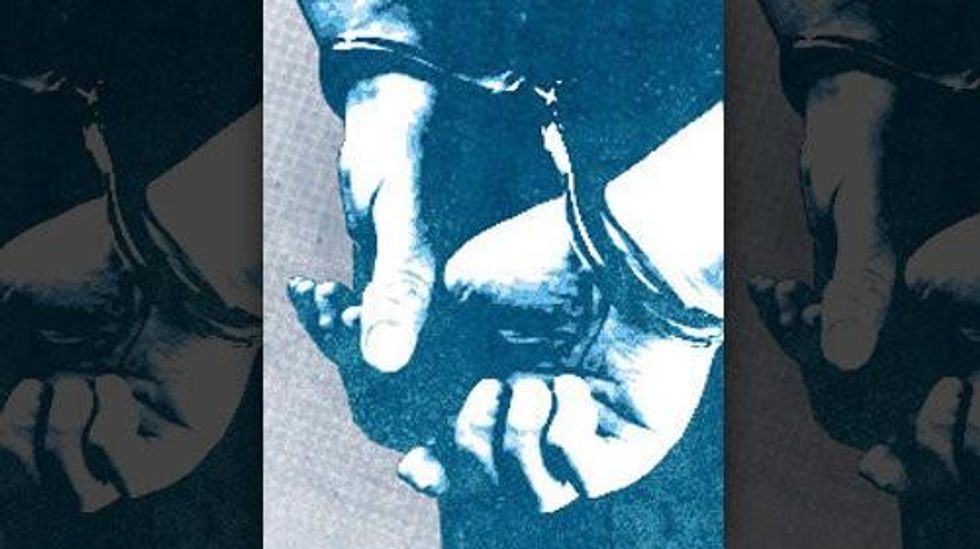
Also this week, the ABA Journal told the story of the Philadelphia courts' aggressive efforts to collect unpaid fines and fees, many of which are decades old. Ameen Muqtadir was billed nearly $41,000 for two failures to appear in court dating back to 1991 and 1997--even though he'd been incarcerated at the time of each hearing. Meanwhile, Hakim Waliyyudin spent 12 days in jail while he raised the money to post a $1,000 bond with the court; after the criminal charges against him were dismissed, the court clerk told him that he owed another $9,000 plus $1,500 in collection fees because of a missed court date. Although a free attorney from Community Legal Services ultimately convinced the court to waive the judgment and collection charges against Hakim, many other indigent defendants around the country face further jail time when they cannot pay court-ordered fines and fees.
As the ACLU emphasized in its October 2010 report, In for a Penny: The Rise of America's New Debtors' Prisons, jailing people for unpaid court debts imposes devastating human costs on men and women whose only remaining crime is that they are poor. Upon release, they face the daunting prospect of having to rebuild their lives yet again, while their substantial legal debts pose a significant, and at times insurmountable, barrier as they attempt to re-enter society. They see their incomes fall, their credit ratings worsen, their prospects for housing and employment dim, and their chances of ending up back in jail or prison increase. Many must make hard choices each month as they attempt to balance their needs and those of their families with their legal financial obligations. They also remain tethered to the criminal justice system--sometimes decades after they complete their sentences--and live under constant threat of being sent back to jail or prison, solely because they cannot pay what has become an unmanageable legal debt.
Aggressive collection of legal financial obligations creates a two-tiered system of justice in which the poorest defendants are punished more harshly than those with means. Although courts attempt to collect legal financial obligations from indigent and affluent defendants alike, those who can afford to pay their legal debts avoid jail, complete their sentences, and move on with their lives. Those unable to pay end up incarcerated or under continued court supervision. Perversely, they also often end up paying much more in fines and fees than defendants who can pay their legal financial obligations. Additionally, the imposition of legal financial obligations disproportionately affects racial and ethnic minorities, who are disproportionately represented among the prisoner population
Courts have found that incarcerating people for debts they couldn't afford to pay violates the 14th Amendment. Further, it creates hardships for men and women who already struggle with re-entering society after being released from prison or jail, and wastes resources in an often fruitless effort to extract payments. In an age when more Americans are deprived of their liberty than ever before, unnecessarily and unfairly, we should be shutting down debtors' prisons, not creating more of them.
Across the country, cash-strapped cities and counties are throwing poor defendants in jail for failing to pay legal debts that they can never hope to manage. On Monday, the New York Times told the story of Gina Ray, whose $179 speeding ticket mushroomed into $3,170 in fines and fees and 40 days in jail when she couldn't afford to pay it. Gina is one of many swept up in America's new debtors' prisons, a growing problem nationwide.
Also this week, the ABA Journal told the story of the Philadelphia courts' aggressive efforts to collect unpaid fines and fees, many of which are decades old. Ameen Muqtadir was billed nearly $41,000 for two failures to appear in court dating back to 1991 and 1997--even though he'd been incarcerated at the time of each hearing. Meanwhile, Hakim Waliyyudin spent 12 days in jail while he raised the money to post a $1,000 bond with the court; after the criminal charges against him were dismissed, the court clerk told him that he owed another $9,000 plus $1,500 in collection fees because of a missed court date. Although a free attorney from Community Legal Services ultimately convinced the court to waive the judgment and collection charges against Hakim, many other indigent defendants around the country face further jail time when they cannot pay court-ordered fines and fees.
As the ACLU emphasized in its October 2010 report, In for a Penny: The Rise of America's New Debtors' Prisons, jailing people for unpaid court debts imposes devastating human costs on men and women whose only remaining crime is that they are poor. Upon release, they face the daunting prospect of having to rebuild their lives yet again, while their substantial legal debts pose a significant, and at times insurmountable, barrier as they attempt to re-enter society. They see their incomes fall, their credit ratings worsen, their prospects for housing and employment dim, and their chances of ending up back in jail or prison increase. Many must make hard choices each month as they attempt to balance their needs and those of their families with their legal financial obligations. They also remain tethered to the criminal justice system--sometimes decades after they complete their sentences--and live under constant threat of being sent back to jail or prison, solely because they cannot pay what has become an unmanageable legal debt.
Aggressive collection of legal financial obligations creates a two-tiered system of justice in which the poorest defendants are punished more harshly than those with means. Although courts attempt to collect legal financial obligations from indigent and affluent defendants alike, those who can afford to pay their legal debts avoid jail, complete their sentences, and move on with their lives. Those unable to pay end up incarcerated or under continued court supervision. Perversely, they also often end up paying much more in fines and fees than defendants who can pay their legal financial obligations. Additionally, the imposition of legal financial obligations disproportionately affects racial and ethnic minorities, who are disproportionately represented among the prisoner population
Courts have found that incarcerating people for debts they couldn't afford to pay violates the 14th Amendment. Further, it creates hardships for men and women who already struggle with re-entering society after being released from prison or jail, and wastes resources in an often fruitless effort to extract payments. In an age when more Americans are deprived of their liberty than ever before, unnecessarily and unfairly, we should be shutting down debtors' prisons, not creating more of them.
Across the country, cash-strapped cities and counties are throwing poor defendants in jail for failing to pay legal debts that they can never hope to manage. On Monday, the New York Times told the story of Gina Ray, whose $179 speeding ticket mushroomed into $3,170 in fines and fees and 40 days in jail when she couldn't afford to pay it. Gina is one of many swept up in America's new debtors' prisons, a growing problem nationwide.
Also this week, the ABA Journal told the story of the Philadelphia courts' aggressive efforts to collect unpaid fines and fees, many of which are decades old. Ameen Muqtadir was billed nearly $41,000 for two failures to appear in court dating back to 1991 and 1997--even though he'd been incarcerated at the time of each hearing. Meanwhile, Hakim Waliyyudin spent 12 days in jail while he raised the money to post a $1,000 bond with the court; after the criminal charges against him were dismissed, the court clerk told him that he owed another $9,000 plus $1,500 in collection fees because of a missed court date. Although a free attorney from Community Legal Services ultimately convinced the court to waive the judgment and collection charges against Hakim, many other indigent defendants around the country face further jail time when they cannot pay court-ordered fines and fees.
As the ACLU emphasized in its October 2010 report, In for a Penny: The Rise of America's New Debtors' Prisons, jailing people for unpaid court debts imposes devastating human costs on men and women whose only remaining crime is that they are poor. Upon release, they face the daunting prospect of having to rebuild their lives yet again, while their substantial legal debts pose a significant, and at times insurmountable, barrier as they attempt to re-enter society. They see their incomes fall, their credit ratings worsen, their prospects for housing and employment dim, and their chances of ending up back in jail or prison increase. Many must make hard choices each month as they attempt to balance their needs and those of their families with their legal financial obligations. They also remain tethered to the criminal justice system--sometimes decades after they complete their sentences--and live under constant threat of being sent back to jail or prison, solely because they cannot pay what has become an unmanageable legal debt.
Aggressive collection of legal financial obligations creates a two-tiered system of justice in which the poorest defendants are punished more harshly than those with means. Although courts attempt to collect legal financial obligations from indigent and affluent defendants alike, those who can afford to pay their legal debts avoid jail, complete their sentences, and move on with their lives. Those unable to pay end up incarcerated or under continued court supervision. Perversely, they also often end up paying much more in fines and fees than defendants who can pay their legal financial obligations. Additionally, the imposition of legal financial obligations disproportionately affects racial and ethnic minorities, who are disproportionately represented among the prisoner population
Courts have found that incarcerating people for debts they couldn't afford to pay violates the 14th Amendment. Further, it creates hardships for men and women who already struggle with re-entering society after being released from prison or jail, and wastes resources in an often fruitless effort to extract payments. In an age when more Americans are deprived of their liberty than ever before, unnecessarily and unfairly, we should be shutting down debtors' prisons, not creating more of them.