SUBSCRIBE TO OUR FREE NEWSLETTER
Daily news & progressive opinion—funded by the people, not the corporations—delivered straight to your inbox.
5
#000000
#FFFFFF
To donate by check, phone, or other method, see our More Ways to Give page.
Daily news & progressive opinion—funded by the people, not the corporations—delivered straight to your inbox.
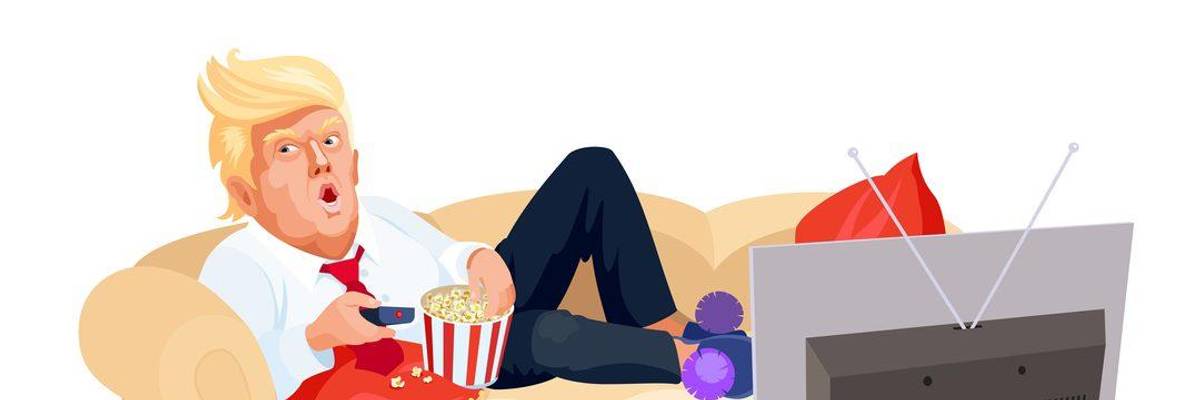
Their enormous wealth offers them an outlandishly oversized role in our democracy. It's poisoning both our politics and our media. (Photo: Shutterstock)
Bill Gates wants you to know he pays taxes.
"I've paid more than $10 billion in taxes. I've paid more than anyone in taxes," Gates told journalist Andrew Ross Sorkin. "But when you say I should pay $100 billion, OK, then I'm starting to do a little math about what I have left over."
Supposedly Gate was talking about a wealth tax 2020 candidates have supported. But no plan yet proposed would seize $100 billion from the philanthrocapitalist anytime soon. Even if it did, he'd still be one of the richest men in the world, with $7 billion left over.
Gates isn't the only billionaire who's worried. JPMorgan Chase CEO Jamie Dimon also has concerns about the rising resentment towards his fellow elites.
"I think you should vilify Nazis," Dimon told Lesley Stahl, "but you shouldn't vilify people who worked hard to accomplish things." Billionaire investor Leon Cooperman, who's become a fixture on CNBC, recently teared up while complaining about the "vilification of billionaires."
Why do the feelings of the 600 Americans that constitute our billionaire class suck up so much media attention?
For one thing, billionaires literally own the news. Buying up media companies is a new rite of passage for the ultra wealthy, like the purchase of the Washington Post by Amazon head Jeff Bezos, or TIME by tech CEO Marc Benioff.
They'll say they're all about editorial independence, but the truth is billionaire ownership can affect news output. When billionaire Joe Ricketts found out the staff of DNAinfo, a network of city-based news sites he owned, was unionizing, he promptly shut down the entire venture out of spite.
So how about a ban on billionaires? Let's tax away their wealth, but let's get them off our airwaves, too. Imagine what we'd learn if corporate media didn't devote entire news cycles to the whims of the rich.
There are more subtle ways in which the rich buy media access. The Gates Foundation, for example, has poured millions in donations into the media over the last several years to raise awareness around the foundation's philanthropic goals -- including its controversial funding of charter schools.
Not all billionaire power is publicly broadcast, however.
In their book Billionaires and Stealth Politics, researchers Benjamin Page, Jason Seawright, and Matthew J. Lacombe document how economic elites have banded together to lobby for extremely conservative policies, like cutting estate taxes, opposing regulations on the environment and Wall Street, and gutting social programs.
Because these moves are highly unpopular, they've done this work in the background.
That means there's a network of billionaires aligned with the Koch brothers, who've poured hundreds of millions of dollars into anti-labor policies. And Rupert Murdoch, the media mogul who changed the media landscape with Fox News. And casino magnate Sheldon Adelson, who's spending his billions shaping U.S. foreign policy.
Their enormous wealth offers them an outlandishly oversized role in our democracy. It's poisoning both our politics and our media.
So how about a ban on billionaires? Let's tax away their wealth, but let's get them off our airwaves, too. Imagine what we'd learn if corporate media didn't devote entire news cycles to the whims of the rich.
You may not have heard, but for the last several months, the sanitation workers at Republic Services have been fighting for higher wages. "I haven't had a raise since 2004," Demetrius Tart told The Guardian. Meanwhile, the company is making a killing from the 2017 tax cuts, and returned more than $1 billion to shareholders through stock buybacks.
The company's largest shareholder? Bill Gates. Workers took their fight directly to the billionaire, protesting outside a Gates Foundation event in September with signs that read, "Bill Gates treats his workers like garbage." He ignored them.
Maybe these sanitation workers could get the airtime instead.
Dear Common Dreams reader, It’s been nearly 30 years since I co-founded Common Dreams with my late wife, Lina Newhouser. We had the radical notion that journalism should serve the public good, not corporate profits. It was clear to us from the outset what it would take to build such a project. No paid advertisements. No corporate sponsors. No millionaire publisher telling us what to think or do. Many people said we wouldn't last a year, but we proved those doubters wrong. Together with a tremendous team of journalists and dedicated staff, we built an independent media outlet free from the constraints of profits and corporate control. Our mission has always been simple: To inform. To inspire. To ignite change for the common good. Building Common Dreams was not easy. Our survival was never guaranteed. When you take on the most powerful forces—Wall Street greed, fossil fuel industry destruction, Big Tech lobbyists, and uber-rich oligarchs who have spent billions upon billions rigging the economy and democracy in their favor—the only bulwark you have is supporters who believe in your work. But here’s the urgent message from me today. It's never been this bad out there. And it's never been this hard to keep us going. At the very moment Common Dreams is most needed, the threats we face are intensifying. We need your support now more than ever. We don't accept corporate advertising and never will. We don't have a paywall because we don't think people should be blocked from critical news based on their ability to pay. Everything we do is funded by the donations of readers like you. When everyone does the little they can afford, we are strong. But if that support retreats or dries up, so do we. Will you donate now to make sure Common Dreams not only survives but thrives? —Craig Brown, Co-founder |
Bill Gates wants you to know he pays taxes.
"I've paid more than $10 billion in taxes. I've paid more than anyone in taxes," Gates told journalist Andrew Ross Sorkin. "But when you say I should pay $100 billion, OK, then I'm starting to do a little math about what I have left over."
Supposedly Gate was talking about a wealth tax 2020 candidates have supported. But no plan yet proposed would seize $100 billion from the philanthrocapitalist anytime soon. Even if it did, he'd still be one of the richest men in the world, with $7 billion left over.
Gates isn't the only billionaire who's worried. JPMorgan Chase CEO Jamie Dimon also has concerns about the rising resentment towards his fellow elites.
"I think you should vilify Nazis," Dimon told Lesley Stahl, "but you shouldn't vilify people who worked hard to accomplish things." Billionaire investor Leon Cooperman, who's become a fixture on CNBC, recently teared up while complaining about the "vilification of billionaires."
Why do the feelings of the 600 Americans that constitute our billionaire class suck up so much media attention?
For one thing, billionaires literally own the news. Buying up media companies is a new rite of passage for the ultra wealthy, like the purchase of the Washington Post by Amazon head Jeff Bezos, or TIME by tech CEO Marc Benioff.
They'll say they're all about editorial independence, but the truth is billionaire ownership can affect news output. When billionaire Joe Ricketts found out the staff of DNAinfo, a network of city-based news sites he owned, was unionizing, he promptly shut down the entire venture out of spite.
So how about a ban on billionaires? Let's tax away their wealth, but let's get them off our airwaves, too. Imagine what we'd learn if corporate media didn't devote entire news cycles to the whims of the rich.
There are more subtle ways in which the rich buy media access. The Gates Foundation, for example, has poured millions in donations into the media over the last several years to raise awareness around the foundation's philanthropic goals -- including its controversial funding of charter schools.
Not all billionaire power is publicly broadcast, however.
In their book Billionaires and Stealth Politics, researchers Benjamin Page, Jason Seawright, and Matthew J. Lacombe document how economic elites have banded together to lobby for extremely conservative policies, like cutting estate taxes, opposing regulations on the environment and Wall Street, and gutting social programs.
Because these moves are highly unpopular, they've done this work in the background.
That means there's a network of billionaires aligned with the Koch brothers, who've poured hundreds of millions of dollars into anti-labor policies. And Rupert Murdoch, the media mogul who changed the media landscape with Fox News. And casino magnate Sheldon Adelson, who's spending his billions shaping U.S. foreign policy.
Their enormous wealth offers them an outlandishly oversized role in our democracy. It's poisoning both our politics and our media.
So how about a ban on billionaires? Let's tax away their wealth, but let's get them off our airwaves, too. Imagine what we'd learn if corporate media didn't devote entire news cycles to the whims of the rich.
You may not have heard, but for the last several months, the sanitation workers at Republic Services have been fighting for higher wages. "I haven't had a raise since 2004," Demetrius Tart told The Guardian. Meanwhile, the company is making a killing from the 2017 tax cuts, and returned more than $1 billion to shareholders through stock buybacks.
The company's largest shareholder? Bill Gates. Workers took their fight directly to the billionaire, protesting outside a Gates Foundation event in September with signs that read, "Bill Gates treats his workers like garbage." He ignored them.
Maybe these sanitation workers could get the airtime instead.
Bill Gates wants you to know he pays taxes.
"I've paid more than $10 billion in taxes. I've paid more than anyone in taxes," Gates told journalist Andrew Ross Sorkin. "But when you say I should pay $100 billion, OK, then I'm starting to do a little math about what I have left over."
Supposedly Gate was talking about a wealth tax 2020 candidates have supported. But no plan yet proposed would seize $100 billion from the philanthrocapitalist anytime soon. Even if it did, he'd still be one of the richest men in the world, with $7 billion left over.
Gates isn't the only billionaire who's worried. JPMorgan Chase CEO Jamie Dimon also has concerns about the rising resentment towards his fellow elites.
"I think you should vilify Nazis," Dimon told Lesley Stahl, "but you shouldn't vilify people who worked hard to accomplish things." Billionaire investor Leon Cooperman, who's become a fixture on CNBC, recently teared up while complaining about the "vilification of billionaires."
Why do the feelings of the 600 Americans that constitute our billionaire class suck up so much media attention?
For one thing, billionaires literally own the news. Buying up media companies is a new rite of passage for the ultra wealthy, like the purchase of the Washington Post by Amazon head Jeff Bezos, or TIME by tech CEO Marc Benioff.
They'll say they're all about editorial independence, but the truth is billionaire ownership can affect news output. When billionaire Joe Ricketts found out the staff of DNAinfo, a network of city-based news sites he owned, was unionizing, he promptly shut down the entire venture out of spite.
So how about a ban on billionaires? Let's tax away their wealth, but let's get them off our airwaves, too. Imagine what we'd learn if corporate media didn't devote entire news cycles to the whims of the rich.
There are more subtle ways in which the rich buy media access. The Gates Foundation, for example, has poured millions in donations into the media over the last several years to raise awareness around the foundation's philanthropic goals -- including its controversial funding of charter schools.
Not all billionaire power is publicly broadcast, however.
In their book Billionaires and Stealth Politics, researchers Benjamin Page, Jason Seawright, and Matthew J. Lacombe document how economic elites have banded together to lobby for extremely conservative policies, like cutting estate taxes, opposing regulations on the environment and Wall Street, and gutting social programs.
Because these moves are highly unpopular, they've done this work in the background.
That means there's a network of billionaires aligned with the Koch brothers, who've poured hundreds of millions of dollars into anti-labor policies. And Rupert Murdoch, the media mogul who changed the media landscape with Fox News. And casino magnate Sheldon Adelson, who's spending his billions shaping U.S. foreign policy.
Their enormous wealth offers them an outlandishly oversized role in our democracy. It's poisoning both our politics and our media.
So how about a ban on billionaires? Let's tax away their wealth, but let's get them off our airwaves, too. Imagine what we'd learn if corporate media didn't devote entire news cycles to the whims of the rich.
You may not have heard, but for the last several months, the sanitation workers at Republic Services have been fighting for higher wages. "I haven't had a raise since 2004," Demetrius Tart told The Guardian. Meanwhile, the company is making a killing from the 2017 tax cuts, and returned more than $1 billion to shareholders through stock buybacks.
The company's largest shareholder? Bill Gates. Workers took their fight directly to the billionaire, protesting outside a Gates Foundation event in September with signs that read, "Bill Gates treats his workers like garbage." He ignored them.
Maybe these sanitation workers could get the airtime instead.