
U.S. President Donald Trump makes his way to board Air Force One before departing from Andrews Air Force Base in Maryland on October 1, 2020 and heading to Bedminster, New Jersey for a fundraiser. (Photo by Mandel Ngan / AFP via Getty Images)
Timeline of Trump's Illness Confounds Experts, But Critics Say What's Clear Is President 'Knowingly Exposed People' to Covid-19
"A thing that happens when you lie compulsively for years...is that NO ONE F***ING BELIEVES YOU."
Journalists and public health experts on Saturday raised questions over the mixed messages coming out of the White House and President Donald Trump's medical team after Dr. Sean Conley, the president's physician, told reporters Trump was "72 hours into the diagnosis" of Covid-19.
Observers quickly noted that this would mean the president first tested positive for the coronavirus on Wednesday, the day after the first presidential debate.
"Did he attend a rally in Minnesota on Wednesday and then a fundraiser in New Jersey on Thursday AFTER his doctor thought he had coronavirus?" asked MSNBC anchor Ali Velshi.
An anonymous White House official told the Washington Post shortly after Conley's briefing that the doctor "misspoke," but even the White House's attempts to correct Conley regarding whether Trump was diagnosed 72 hours before the Saturday press conference led to more confusion, as NBC News reported:
Another doctor treating the president, Dr. Brian Garibaldi, said [Trump] had been treated "48 hours" ago--Thursday morning--with antibodies.
But a White House official later disputed the timeline, saying Trump had been diagnosed Thursday night and that the doctors meant Trump was on "day 3," not a full 72 hours in on his diagnosis.
The official also said that the antibody treatment was given later Thursday night, not a full 48 hours ago.
On Saturday afternoon, Conley issued a statement through the White House saying Trump had been diagnosed on Thursday night, and given the antibody treatment on Friday.
"I incorrectly used the term 'seventy-two hours' instead of 'day three' and 'forty eight hours' instead of 'day two' with regards to his diagnosis and the administration of the polyclonal antibody therapy," Conley said in a statement.
Conley wasn't the doctor who said Trump had been given antibodies 48 hours ago, though; Garibaldi said that.
"The problem is that we should know, we should have a better idea of what the actual status is of the president," Dr. Craig Spencer, an emergency medicine physician at Columbia University Medical Center in New York, told the Times. "We need more of a scientific update, as opposed to a political one."
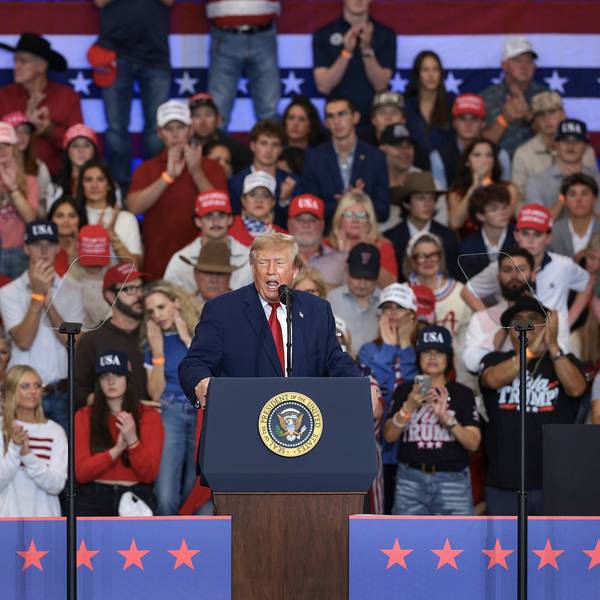
The confusion led some Minnesota residents who attended the president's outdoor rally Wednesday night in Duluth to reconsider the gathering in hindsight, the Times reported--"thinking back on how tightly the crowd was spaced, whom they might have spoken to, and whether the coronavirus precautions that organizers had arranged were sufficient."
Other Trump supporters who were in attendance dismissed safety concerns, taking on the attitude the president has publicly displayed for months--despite the fact that he knew as early as February and March that the coronavirus was deadly and highly contagious through airborne transmission.
"We're not mask wearers," one attendee who was standing directly in front of Trump at the rally told the Times.
Kris Ehresmann, director of the Minnesota Department of Health's Infectious Disease Epidemiology, Prevention, and Control Division, advised anyone who came near the president at the Duluth event to get tested for Covid-19.
"There is a potential risk that transmission occurred at the Duluth rally and other events associated with President Trump's visit," Ehresmann said in a statement.
Trump critics wrote on social media that beyond potentially exposing well-connected Republican members of his circle to the virus by holding a White House event last Saturday in honor of Supreme Court nominee Judge Amy Coney Barrett, in what has been called a "superspreader event," the president and his team apparently this week exposed hundreds in not thousands of other people with far fewer resources to cope with the disease if they become infected.
Regardless of when Trump was diagnosed, some critics said, the president doubtlessly attended a fundraiser in Bedminster, New Jersey on Thursday after being exposed to his advisor Hope Hicks, who tested positive for Covid-19 that day.
"This is a judgment issue, a fitness to lead issue, and Trump failed the test," tweeted former U.S. Attorney Joyce White Vance.
Journalist Rebecca Traister tweeted that Trump's approach to the coronavirus crisis as well as a number of other closely-watched political issues during his presidency--with the Washington Post counting more than 20,000 false or misleading statements since he took office, as of July--has led to an inability among public health experts and journalists to take the White House's claims about Trump's condition and prognosis at face value.
"A thing that happens when you lie compulsively for years," tweeted Traister, "is that NO ONE FUCKING BELIEVES YOU."
We are at a crossroads
This country and this world are at a monumental crossroads. US voters have an opportunity to beat back the forces of fascism and confront the billionaires who are rigging the economy, our media system, and our democracy, making it increasingly impossible for ordinary people to get by. We’re not just talking about the election. We’re talking about what must be done once these fascist elements are vanquished from power. We need a bolder set of solutions than what either major party has so far been willing to offer and a working-class movement ready to fight like hell for it. Trump didn't emerge from nowhere. The conditions that fueled MAGA authoritarianism were created by decades of radical neoliberal economic policies and a corrupt political system dominated by corporate interests. They slashed taxes on the super-rich, promising that the benefits would trickle down. They said giveaways to the corporate titans would make life more affordable for the rest of us. It was all bullshit. And when a bitter, betrayed populace searches for someone to blame, right-wing demagogues have little trouble finding scapegoats. People know when they're being lied to, but you won't hear any of this from the corporate media. Only independent journalism—powered and funded by people who believe in building a better world—can deliver truly trustworthy daily news. Our Fall Campaign is underway, and we need your help. To power our newsroom through the rest of the year, we need to raise $125,000 by midnight on October 31. So if you share our vision, please contribute whatever you can to sustain our work. |
Journalists and public health experts on Saturday raised questions over the mixed messages coming out of the White House and President Donald Trump's medical team after Dr. Sean Conley, the president's physician, told reporters Trump was "72 hours into the diagnosis" of Covid-19.
Observers quickly noted that this would mean the president first tested positive for the coronavirus on Wednesday, the day after the first presidential debate.
"Did he attend a rally in Minnesota on Wednesday and then a fundraiser in New Jersey on Thursday AFTER his doctor thought he had coronavirus?" asked MSNBC anchor Ali Velshi.
An anonymous White House official told the Washington Post shortly after Conley's briefing that the doctor "misspoke," but even the White House's attempts to correct Conley regarding whether Trump was diagnosed 72 hours before the Saturday press conference led to more confusion, as NBC News reported:
Another doctor treating the president, Dr. Brian Garibaldi, said [Trump] had been treated "48 hours" ago--Thursday morning--with antibodies.
But a White House official later disputed the timeline, saying Trump had been diagnosed Thursday night and that the doctors meant Trump was on "day 3," not a full 72 hours in on his diagnosis.
The official also said that the antibody treatment was given later Thursday night, not a full 48 hours ago.
On Saturday afternoon, Conley issued a statement through the White House saying Trump had been diagnosed on Thursday night, and given the antibody treatment on Friday.
"I incorrectly used the term 'seventy-two hours' instead of 'day three' and 'forty eight hours' instead of 'day two' with regards to his diagnosis and the administration of the polyclonal antibody therapy," Conley said in a statement.
Conley wasn't the doctor who said Trump had been given antibodies 48 hours ago, though; Garibaldi said that.
"The problem is that we should know, we should have a better idea of what the actual status is of the president," Dr. Craig Spencer, an emergency medicine physician at Columbia University Medical Center in New York, told the Times. "We need more of a scientific update, as opposed to a political one."
The confusion led some Minnesota residents who attended the president's outdoor rally Wednesday night in Duluth to reconsider the gathering in hindsight, the Times reported--"thinking back on how tightly the crowd was spaced, whom they might have spoken to, and whether the coronavirus precautions that organizers had arranged were sufficient."
Other Trump supporters who were in attendance dismissed safety concerns, taking on the attitude the president has publicly displayed for months--despite the fact that he knew as early as February and March that the coronavirus was deadly and highly contagious through airborne transmission.
"We're not mask wearers," one attendee who was standing directly in front of Trump at the rally told the Times.
Kris Ehresmann, director of the Minnesota Department of Health's Infectious Disease Epidemiology, Prevention, and Control Division, advised anyone who came near the president at the Duluth event to get tested for Covid-19.
"There is a potential risk that transmission occurred at the Duluth rally and other events associated with President Trump's visit," Ehresmann said in a statement.
Trump critics wrote on social media that beyond potentially exposing well-connected Republican members of his circle to the virus by holding a White House event last Saturday in honor of Supreme Court nominee Judge Amy Coney Barrett, in what has been called a "superspreader event," the president and his team apparently this week exposed hundreds in not thousands of other people with far fewer resources to cope with the disease if they become infected.
Regardless of when Trump was diagnosed, some critics said, the president doubtlessly attended a fundraiser in Bedminster, New Jersey on Thursday after being exposed to his advisor Hope Hicks, who tested positive for Covid-19 that day.
"This is a judgment issue, a fitness to lead issue, and Trump failed the test," tweeted former U.S. Attorney Joyce White Vance.
Journalist Rebecca Traister tweeted that Trump's approach to the coronavirus crisis as well as a number of other closely-watched political issues during his presidency--with the Washington Post counting more than 20,000 false or misleading statements since he took office, as of July--has led to an inability among public health experts and journalists to take the White House's claims about Trump's condition and prognosis at face value.
"A thing that happens when you lie compulsively for years," tweeted Traister, "is that NO ONE FUCKING BELIEVES YOU."