October, 31 2019, 12:00am EDT

For Immediate Release
Contact:
Chandini Brennan Agarwal, Press Secretary for Youth Climate Strike Los Angeles
youthclimatestrikelosangeles@gmail.com
LOS ANGELES
On Friday, November 1, the organizers of Youth Climate Strike Los Angeles along with protesters will be joined by Swedish teen climate activist, Greta Thunberg, in a climate strike at Los Angeles City Hall. Thunberg recently sailed to the United States in a zero emissions sailboat and has been gradually making her way across the continent from the Atlantic to the Pacific. After a very successful strike by the Los Angeles Youth Climate Strike on September 20, which was joined by thousands of participants, the youth are striking again.
The event will involve keynote speakers and musicians who are young activists from Los Angeles, as well as Ms. Thunberg. Together, striking youth will demand Governor Newsom act immediately to protect frontline communities and our climate future by phasing out fossil fuel production in California. Despite its global reputation as a climate leader, California remains one of the largest oil-producing states in the country. Los Angeles itself is home to the largest urban oil field in the nation, where active oil wells drill for fossil fuels near homes, schools and parks.
The strike is a part of the Fridays For Future movement, which involves strikes around the world every Friday. These strikes send a message that the youths are missing school to protect their own futures. Young people will continue their fight against the climate crisis until politicians take enough action to reverse the trajectory of the climate crisis. The strike also aims to highlight the intersectionality of the climate crisis and how people of color are on the frontlines.
- What: Climate Strike with Greta Thunberg to End California's Fossil-Fueled Climate Emergency
- When: Friday, November 1, 12:00 - 3:00 PM PST
11:00 AM - Media check-in at Check-in Table near press riser (across from stage)
12:00 PM Strike start at City Hall
12:15 PM Opening Blessing and Land Acknowledgement from CA Indigenous Youth
12:30 - 1:00 PM Kickoff Rally and Speakers
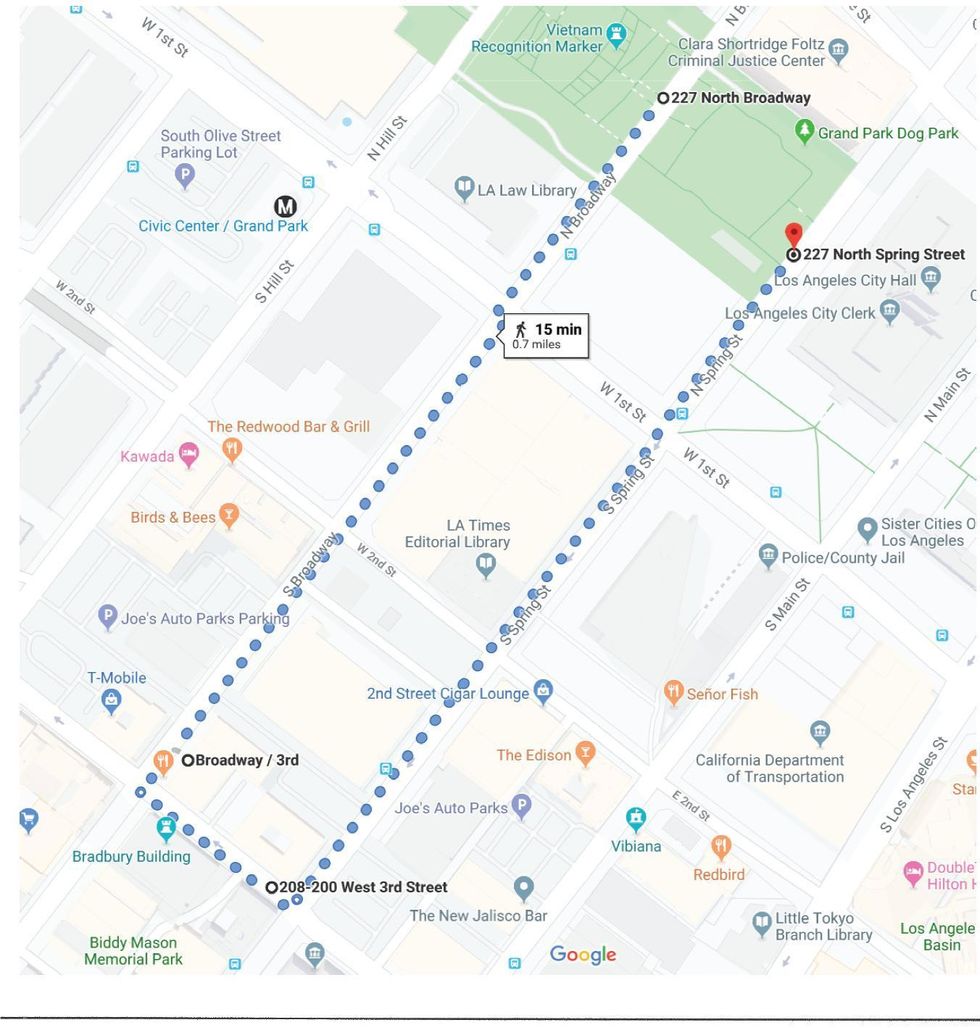
1:00 PM March to Governor Newsom's office (300 S Spring St, Los Angeles, CA 90013) for action demanding a phase-out of fossil fuel production in CA, March back to City Hall
2:00 PM Closing Rally at City Hall, Greta Thunberg offers closing remarks
3:00 PM Close
- Who:
Swedish youth climate activist Greta Thunberg, 16
- Youth Climate Strike LA organizers
Kailynn Cruz
Chandini Brennan Agarwal
Jesus Villalba
Nalleli Cobo
Kevin J Patel
d Garcia
Dulce Ceballos
Cemre Gonan
Tina Calderoun
Jessica Aldridge
- Youth fighting fossil fuel production in California communities
Nalleli Cobo
Nizgui Gomez
Dulce Ceballos
Cemre Gonen
Angelica Perkins
Where: Grand Park, in front of Los Angeles City Hall, 200 N. Spring St
March route map:
Visuals:
Youth activists, including Greta Thunberg, speaking to the crowd about our fossil-fueled climate crisis
Youth striking and marching with signs reading "Governor Newsom, it's your Last Chance to Choose: Our Future or Fossil Fuels"
Action in front of the Governor's Los Angeles office at Governor Newsom's office
Our demands and more information about why we strike can be found at strikewithus.org.
At the Center for Biological Diversity, we believe that the welfare of human beings is deeply linked to nature — to the existence in our world of a vast diversity of wild animals and plants. Because diversity has intrinsic value, and because its loss impoverishes society, we work to secure a future for all species, great and small, hovering on the brink of extinction. We do so through science, law and creative media, with a focus on protecting the lands, waters and climate that species need to survive.
(520) 623-5252LATEST NEWS
Tlaib Calls to Arrest Commander of IDF Unit Accused of Killing Hind Rajab as He Travels the US
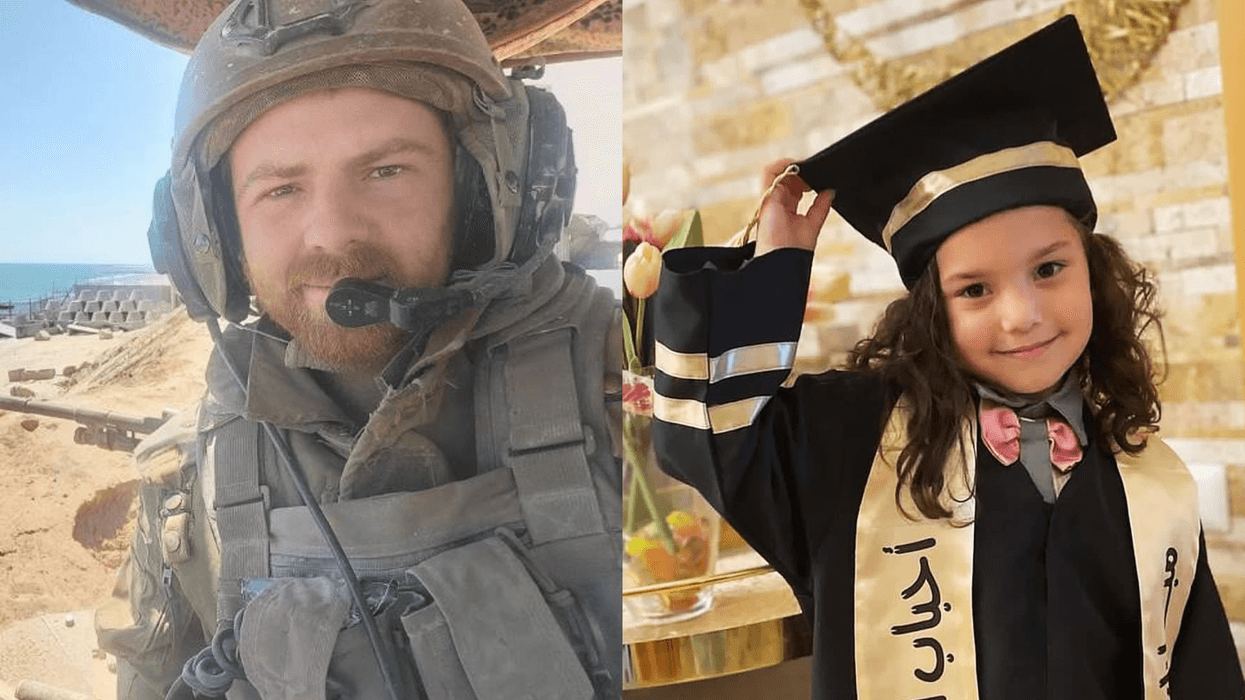
"The commander of the Israeli military unit likely responsible for killing 5-year-old Hind Rajab is currently in the US," Tlaib (D-Mich.), the only Palestinian American member of Congress, wrote on social media. "As a party to the Genocide Convention and the Geneva Conventions, our government is obligated to arrest and investigate him for these war crimes and acts of genocide."
An investigation by the foundation, in collaboration with Al Jazeera, concluded that Glass’ unit opened fire on a car, killing six of Rajab’s family members on January 29, 2024, as they attempted to flee Gaza City.
Rajab spent hours pleading with emergency dispatchers to rescue her. But Israeli forces also attacked an ambulance sent to save her, killing two paramedics. Rajab's body was discovered 12 days later.
Following international outrage, Israel initially denied responsibility for the attack, before admitting in August 2026 that its troops had fired upon the family's car and toward the ambulance.
Using satellite imagery, forensic evidence, and Israeli soldiers’ social media activity, the Hind Rajab Foundation said it established that Glass’ unit was operating a few hundred meters from Rajab’s vehicle when the attack occurred. However, the allegations have not been proven in court.
On Monday, the foundation posted photos of Glass standing on the Brooklyn Bridge and riding the New York City subway. It is not clear why he is traveling in the US or where he is currently located.
The group filed a request with the Justice Department on Monday demanding that it investigate, arrest, and prosecute Glass under the US War Crimes Act and federal genocide statutes.
"Glass is not just another man implicated in the killing of Hind Rajab," said Dyab Abou Jahjah, the foundation's general director. "He is the man who most likely gave the order to open fire on the vehicle carrying Hind and members of her family, including other children. That Glass can walk the streets of the United States as though nothing has happened is intolerable. He must be brought to justice.”
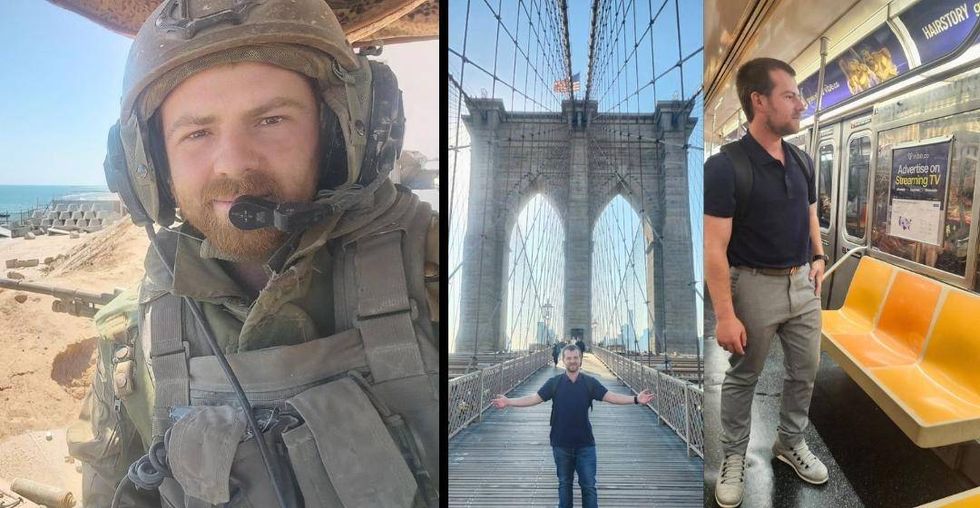 Photos posted on October 19, 2026, show Israeli Maj. Sean Glass standing on the Brooklyn Bridge and riding the New York City subway. (Photos from the Hind Rajab Foundation)
The foundation has already filed a submission with the International Criminal Court (ICC) and authorities in other countries, calling for Glass and members of his unit to be held accountable.
Glass, the foundation noted, has often publicly celebrated destruction in Gaza during Israel’s genocidal military campaign there, which has led to the deaths of more than 74,000 people, including over 21,000 children, according to official tallies. Experts warn the true death toll is likely much higher.
According to the foundation:
On Instagram, in interviews, and in a self-published book, [Glass] has proudly recounted the destruction of hospitals, UN buildings, entire neighborhoods, and the Rafah Crossing, the lifeline on which Palestinian survival depended.
Celebrating 100 days of the war, he described the campaign as a "war of existence of the eternal people" and urged his troops to "attack, attack till victory." Marking seven years in the army, he wrote there was "no more significant way to celebrate" than in Al-Shifa, "the terror nest," posting side-by-side satellite images of Al-Shifa Medical Complex before and after his forces destroyed it.
In his farewell speech to his company, he boasted that they had "destroyed every part to where we were asked to go, in all areas of the Gaza Strip," and described emptying the Zeitoun neighborhood of its residents. Days after the ceasefire took effect, still in Gaza, he filmed himself promising, "I'll rush at the opportunity to return to the battle and finish the work."
"The War Crimes Act and the Genocide Statute were written precisely for men like Sean Glass," said Jake Romm, the Hind Rajab Foundation's representative in the United States. "Congress and successive administrations promised that the United States would never be a refuge for war criminals; instead it has condoned and aided their crimes."
Calls for Glass' arrest come amid the Trump administration's efforts to "dismantle" the ICC over its attempt to prosecute Israeli Prime Minister Benjamin Netanyahu for war crimes in Gaza. Earlier this month, after targeting individual judges and prosecutors, the administration placed the ICC itself under sweeping financial sanctions. Human Rights Watch executive director Philippe Bolopion said the administration's clear goal was to "shield US and Israeli officials from facing charges before the court."
US law allows foreign nationals like Glass to be prosecuted for certain war crimes when they are present on US soil. Such prosecutions require the approval of the US attorney general or deputy attorney general.
As of Tuesday morning, Tlaib appeared to be the only US lawmaker who had issued a statement calling for the US government to arrest Glass.
"Glass and his company are responsible for some of the worst atrocities of this genocide—that he now walks free and unbothered in the US is not only an insult to his victims, but to all people of conscience here in the US as well," Romm said. "Some politicians in the US have claimed to be committed to accountability for Israeli war crimes—this filing is a good opportunity to test the sincerity of that commitment.”
Most Popular